The first 90 days window in a new role is a critical time that could make or break a leader’s tenure. Incoming leaders need to get up to speed quickly while learning new job responsibilities, earning trust among coworkers and employees, and laying out a strategic vision for the organization.
For over four years, PharmaVoice has connected with life sciences leaders in the midst of this important transition period in our ongoing series, First 90 Days. These sit-down interviews were originally inspired by the classic book, “The First 90 Days,” written by Michael D. Watkins and published by Harvard Business Review Press, which lays out strategies for leaders to make the most of their first few months on the job.
Now, we’re revisiting four of those conversations and asking leaders to reflect on the most impactful lessons they learned during their first 90 days. Here’s what they had to say.
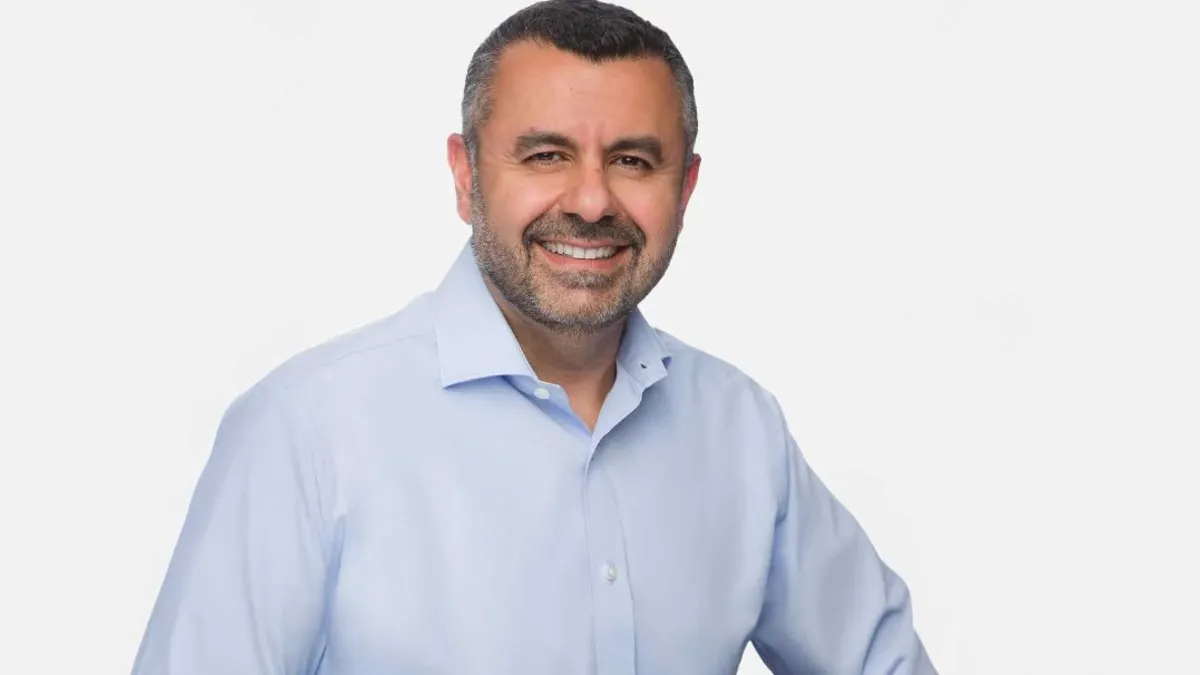
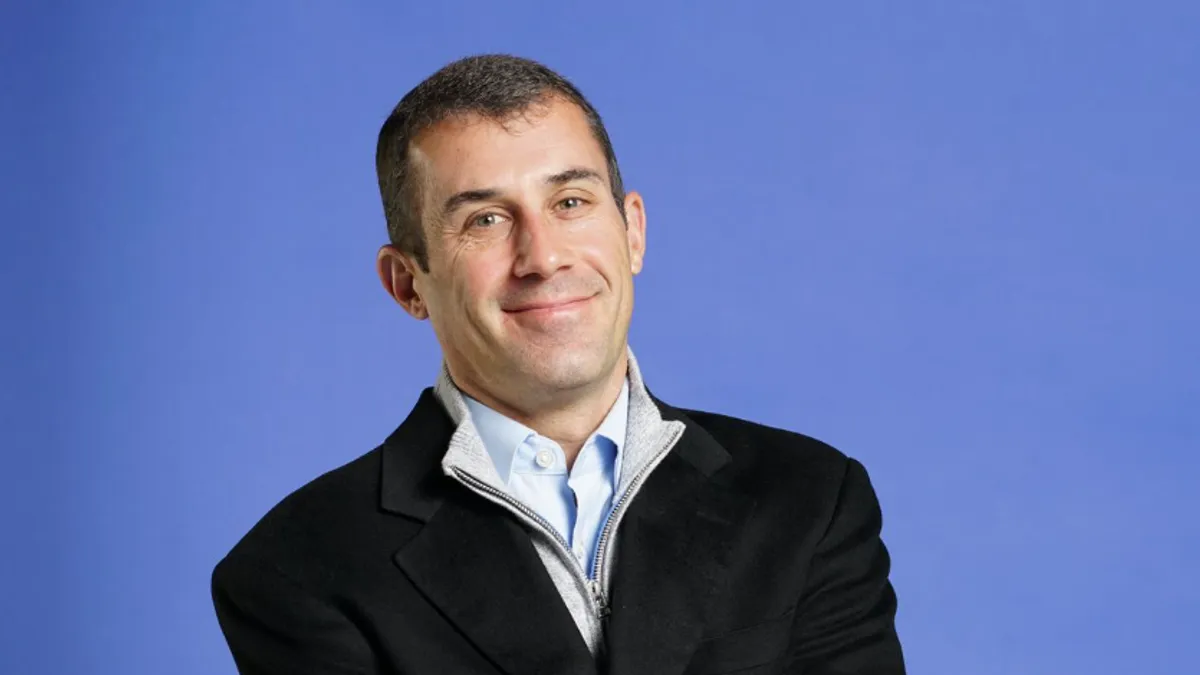
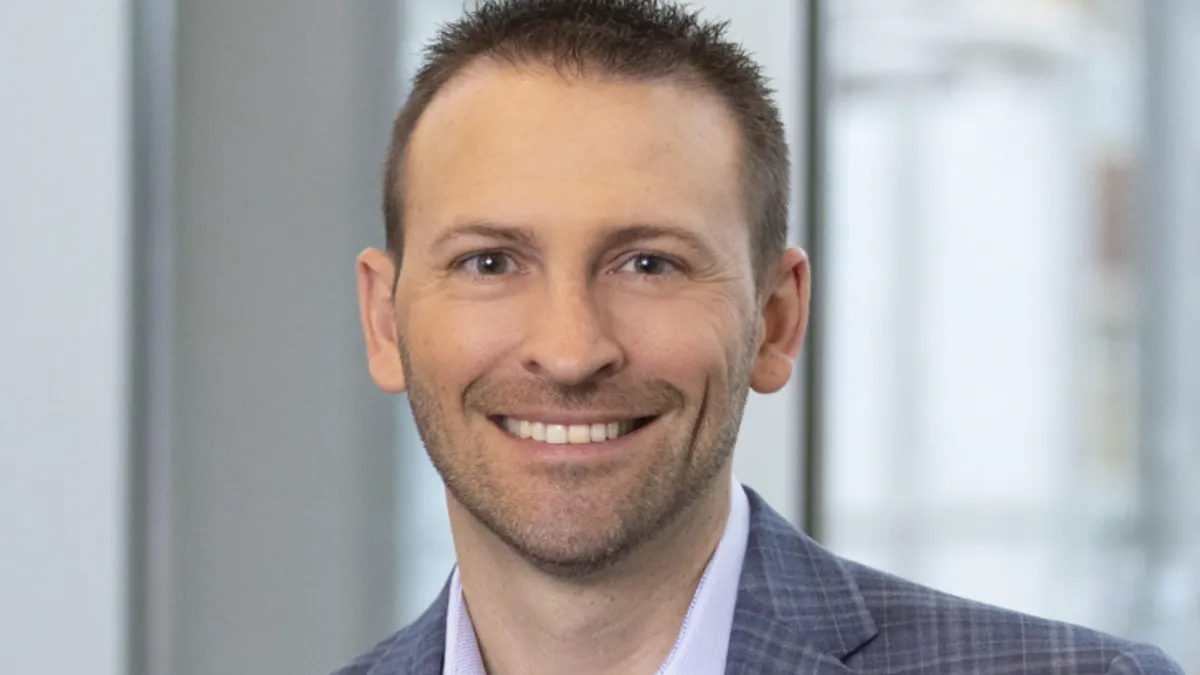
Dr. Juan Camilo Arjona Ferreira, chief medical officer, Organon

Dr. Juan Camilo Arjona Ferreira joined Organon as chief medical officer in September 2023, two years after Merck & Co. spun it off into a dedicated women’s health company with a portfolio of nearly 50 products. After coming into the role, Arjona Ferreira spoke about his plans to make research more inclusive while advancing the company’s pipeline.
Nearly three years later, Organon is set to be acquired by Sun Pharma, but experienced a pipeline setback last year when it discontinued the development of an endometriosis drug after it failed to reduce pain in a phase 2 trial.
Through those challenges, the company has remained committed to improving women’s health. It launched the third edition of its Women's Health Accelerator Program, which supports women-focused digital health solutions, while expanding it to include the Middle East, Turkey and Africa earlier this year.
Lessons learned: Women’s health challenges run deep
“The hardest lesson I learned in my first 90 days was realizing that the challenges facing women’s health were even more deeply rooted than I had anticipated.
I knew there was significant work to be done, but I quickly saw how fragmented the women’s health ecosystem really was. Despite Organon being viewed by many as a leader and advocate, we were only scratching the surface of what was possible. The needs of women extend far beyond a few conditions or life stages, yet misconceptions about what constitutes women’s health still persist, though this narrative is shifting. I also gained a deeper understanding of the pervasive gender biases that exist across healthcare from research and clinical development to diagnosis, treatment, access and education.
At the same time, that realization highlighted the greatest opportunity. To make meaningful progress, we must take an ecosystem approach: bringing together healthcare providers, policymakers, patient advocacy groups, researchers, employers and industry partners. Through collaboration, we can expand awareness, challenge outdated perceptions, improve access to care and ensure women’s health is understood through a broader, more comprehensive lens. Through initiatives such as the Organon Accelerator Program or Her Health Grant program, we have invested in areas that help address unmet needs and drive sustainable change. We firmly believe that no single organization can solve the challenges in women's health alone.”
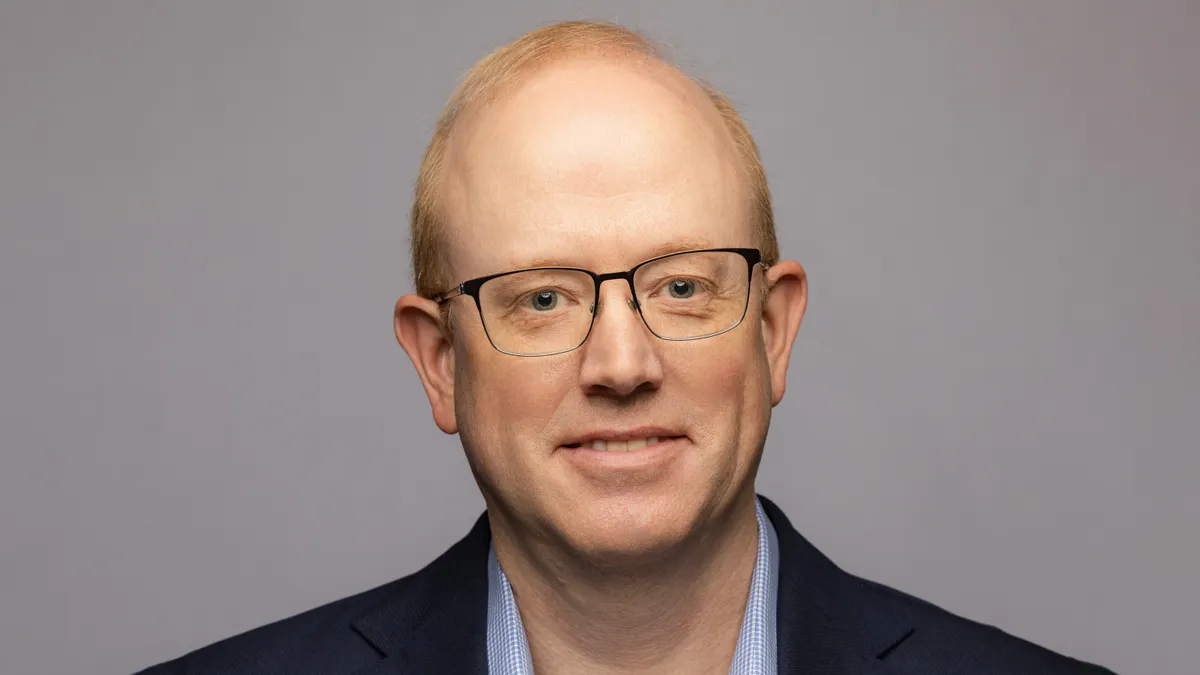
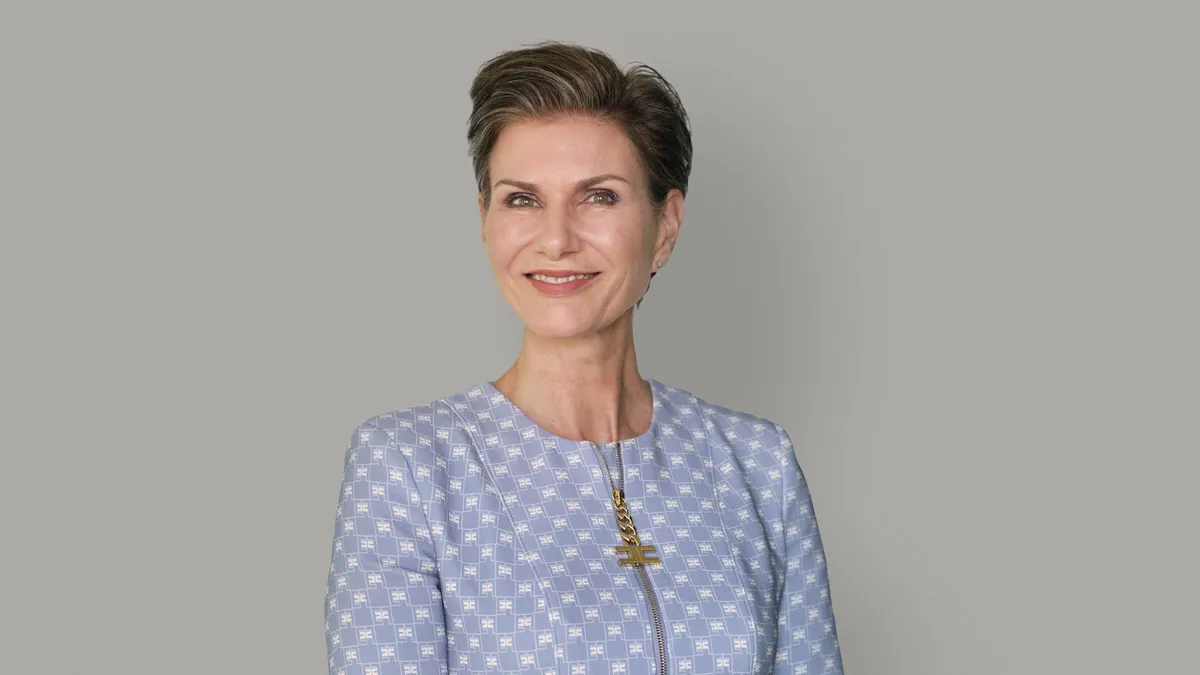
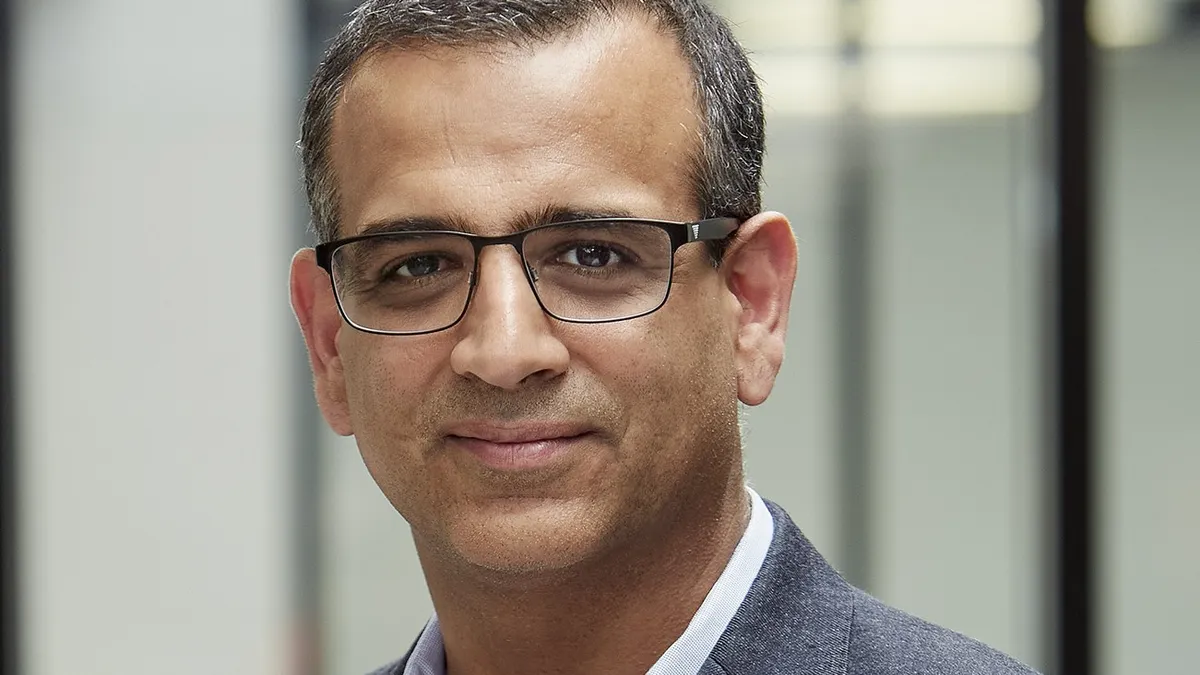
Amy Parison, CFO, Editas Medicine

When Amy Parison stepped into the role of CFO at Editas Medicine in March 2025, the company had just cut roughly 65% of its workforce and transitioned from an ex vivo gene editing platform to in vivo technology.
A few months later, she told PharmaVoice that she was excited to take the financial reins of the “scrappy” company as it shifted into a new era, which included cutting a phase 3 sickle cell anemia drug in favor of preclinical candidates using hematopoietic stem cells in diseases like sickle cell and beta thalassemia as well as liver-directed gene editing.
Since then, Editas has announced it successfully completed a public offering that raised $125 million, and presented positive preclinical data for its lead in vivo development candidate, which it says supports the drug’s potential as a best-in-class medicine for hyperlipidemia.
Lessons learned: Modeling resilience
“The biggest lesson from my first 90 days was the importance of perseverance, especially under uncertainty and pressure. I stepped into the CFO role in the spring of 2025, a challenging time for the biotech sector. I quickly realized the need to stay grounded in the strength of our science and strategy, while maintaining a steady, disciplined approach to execution. That meant making tough decisions, focusing on prioritization and ensuring financial discipline.
It also reinforced an important leadership lesson: people take cues from how leaders respond in challenging moments. As a leader, you have to model perseverance yourself — remaining calm, focused and transparent even when the path forward is not entirely clear. You don't need to have every answer, but you do need to demonstrate conviction, consistency and a willingness to keep moving forward despite uncertainty.
The broader lesson for me was that strong execution paired with financial rigor doesn’t just help you survive tough moments — it positions you to take advantage of opportunities on the other side. And when leaders consistently model resilience and perseverance, they build the confidence and culture needed for an organization to emerge stronger from adversity.”
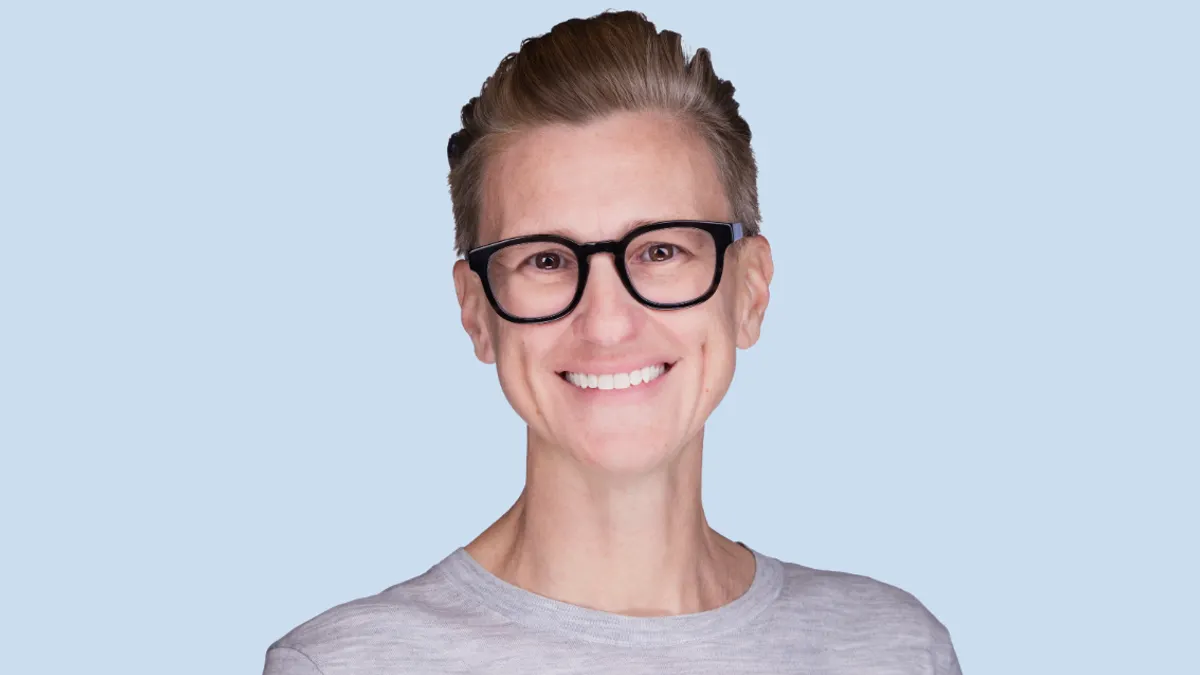
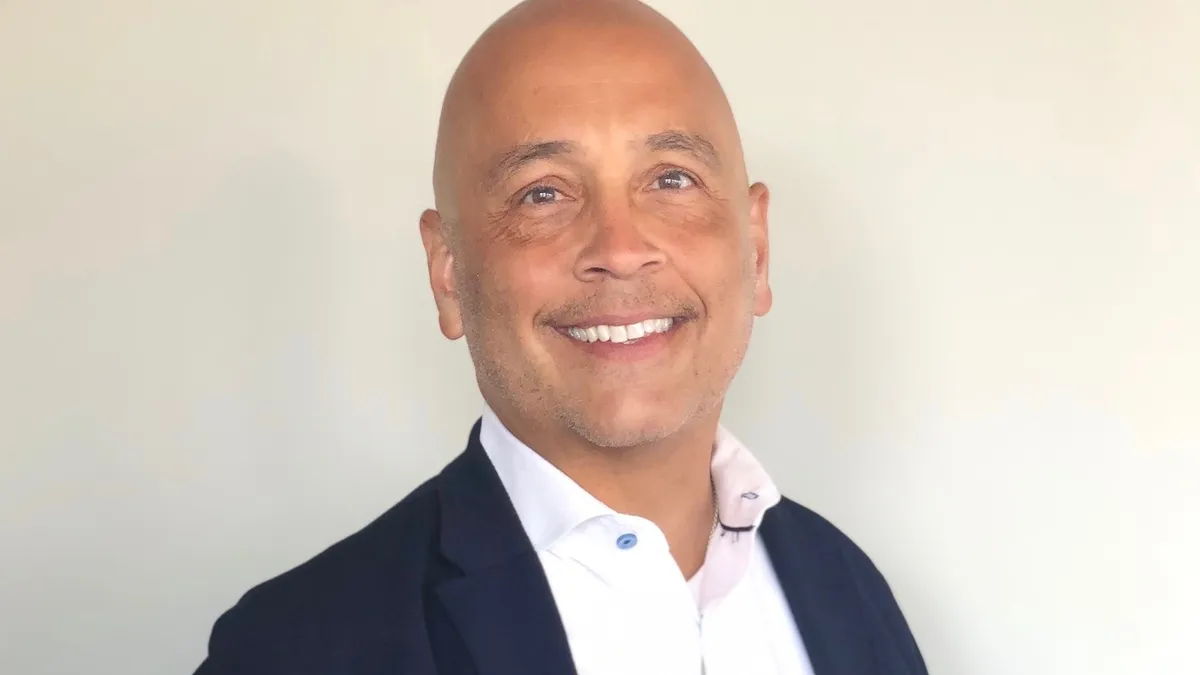
Dr. Laura Williams, chief patient officer, Ardelyx

It’s been just over a year since Dr. Laura Williams became the first chief patient officer at Ardelyx, which focuses on first-in-class medicines for gastrointestinal and kidney diseases, and has two drugs on the market.
Despite the word “diversity” becoming a hot-button political issue, Ardelyx doubled down on its commitment to inclusion with the new role, aiming to embed the patient voice into its work.
“I wanted to create a shared definition of patient centricity here at Ardelyx, and then weave that into the fabric of the organization,” she told PharmaVoice at the time.
In the months since, that goal is taking shape, both culturally within the company and materially. It recently announced recipients of the second annual Derek Forfang Patient Advocate Award, which honors people based on their achievements and contributions to advocate for patients with chronic kidney disease.
Lessons learned: Integrating patient-centricity
“The most amazing realization was that patient-centricity cannot be delegated. Creating the chief patient officer role was relatively straightforward; the real challenge was helping an entire organization understand that patients aren't the responsibility of any one department — they're everyone's responsibility.
I spent my first 90 days listening, meeting with teams across the company and connecting their work to the patient experience. What I learned is that culture change happens one conversation and one commitment at a time. Of course, it requires visible leadership support, but more importantly, it demands that we are all personally invested in the mission.
One of the key takeaways for me was that sustainable change happens when patient-centricity moves from simply being an initiative, to being part of how people think, make decisions and define success every day.”
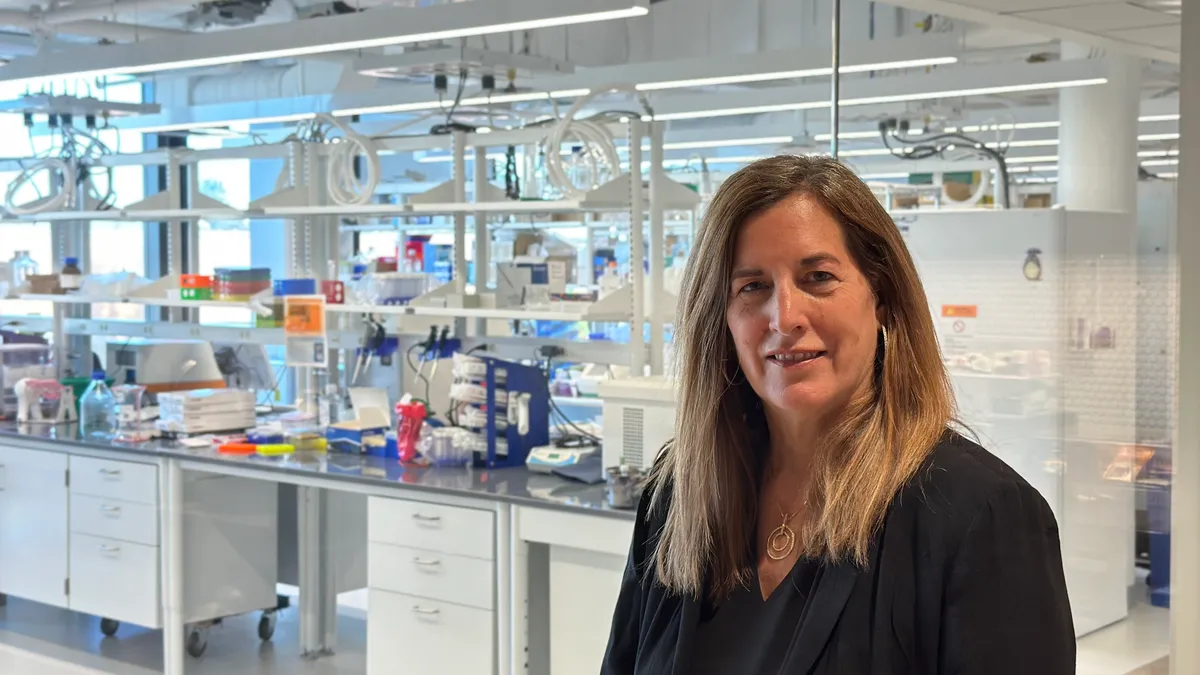
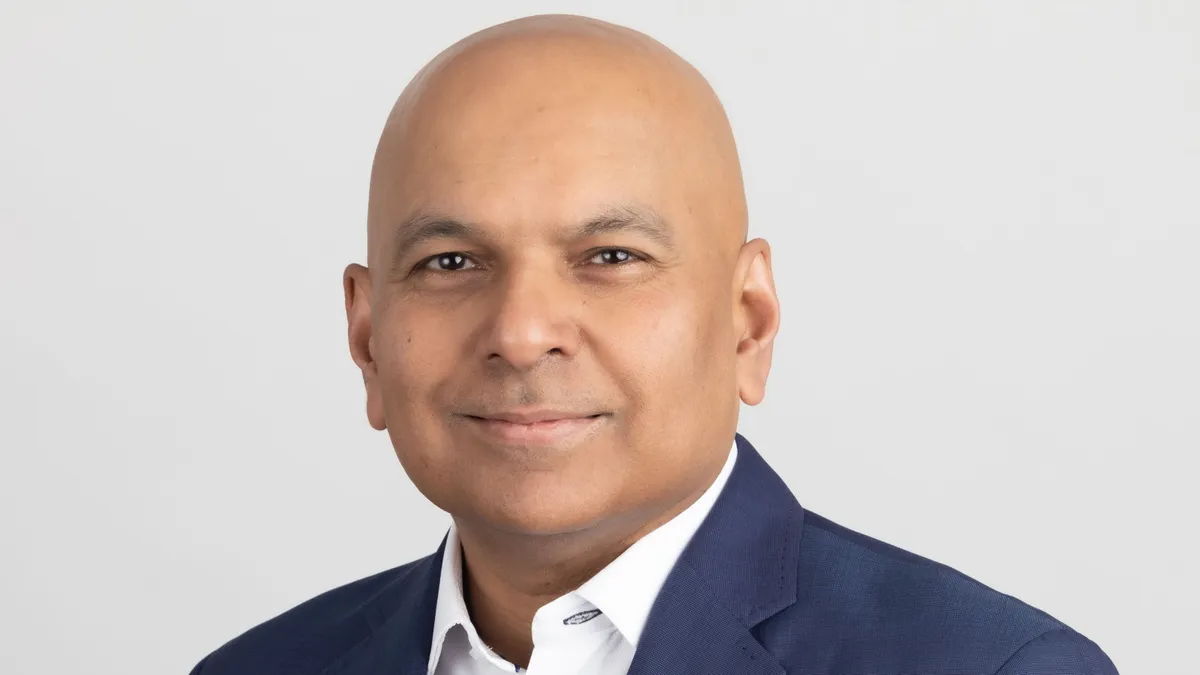
Travis Coy, CFO and head of corporate development, Immunocore
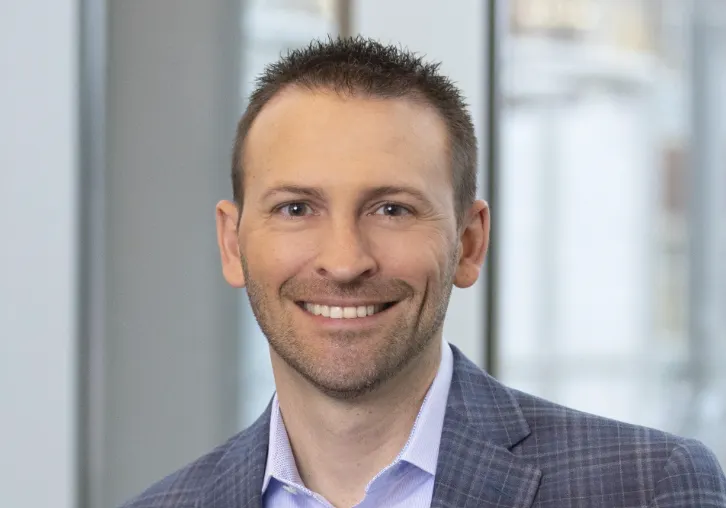
After a stint as head of transactions and M&A for Eli Lilly’s corporate business development, Travis Coy joined the immunotherapy company Immunocore as its CFO and head of corporate development in January 2025 with an eye toward potential new deals.
Immunocore’s uveal melanoma drug, Kimmtrak, was already on the market, while its pipeline of immunotherapies included treatments targeting cancer, autoimmune conditions and infectious diseases. A few months after joining the company, Coy told PharmaVoice that he wanted to be “picky” about who they partnered with to ensure a good fit.
“[I]t’s going to be companies that have demonstrated expertise in an area and might be able to help expand the clinical development profile, particularly in immunology,” he said.
More than a year later, the company hasn’t announced any new partnerships, but has seen the continued success of Kimmtrak, reporting net product sales of $106.7 million for the first quarter of 2026, which was up 13.6% compared to the same period in 2025. It’s also continuing to advance candidates in cancer and infectious disease.
Lessons learned: Effective communication
"I knew Immunocore would move faster than a large pharma company, but operating at a faster pace requires two things: prioritization and clear communication of decisions. In a biotech like Immunocore, where resources are more limited, prioritization is essential to focus on the best opportunities. Just as important, those decisions must be clearly communicated, so the organization stays aligned on execution and is rowing as one."