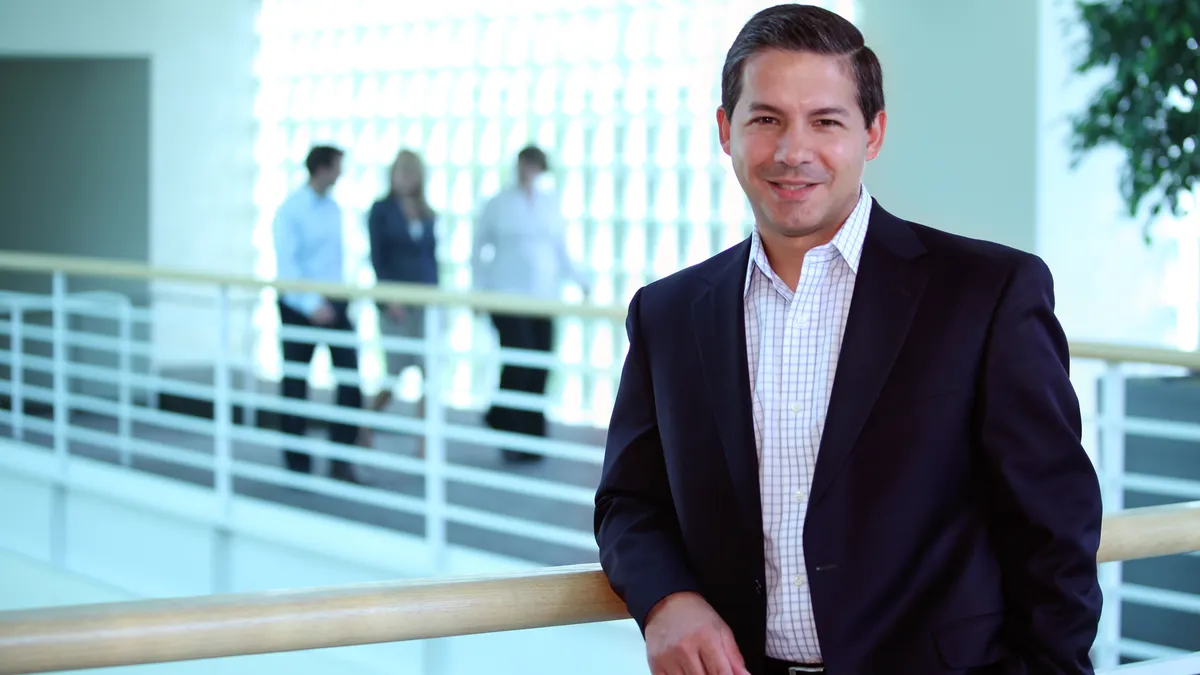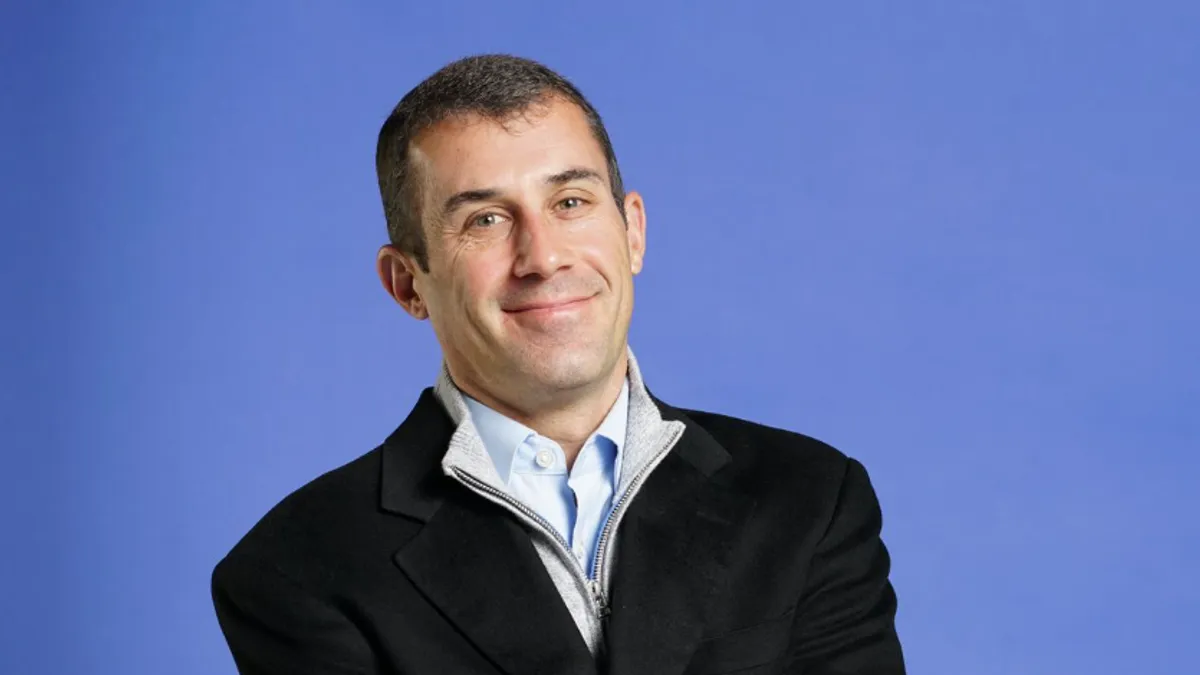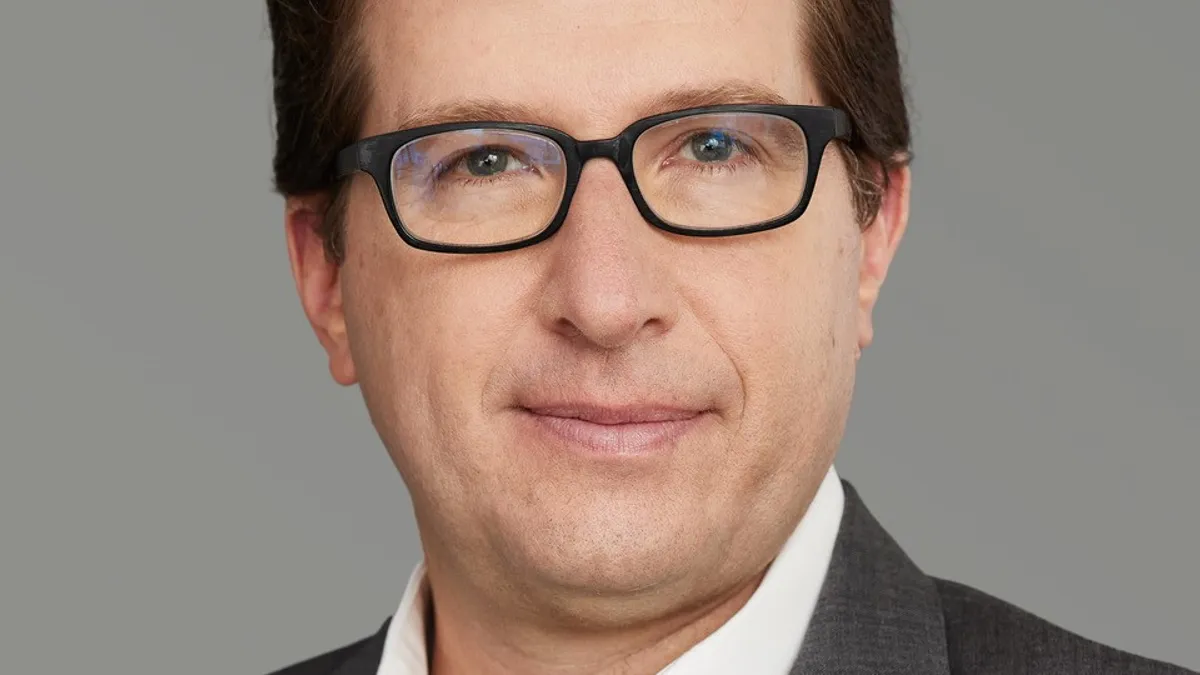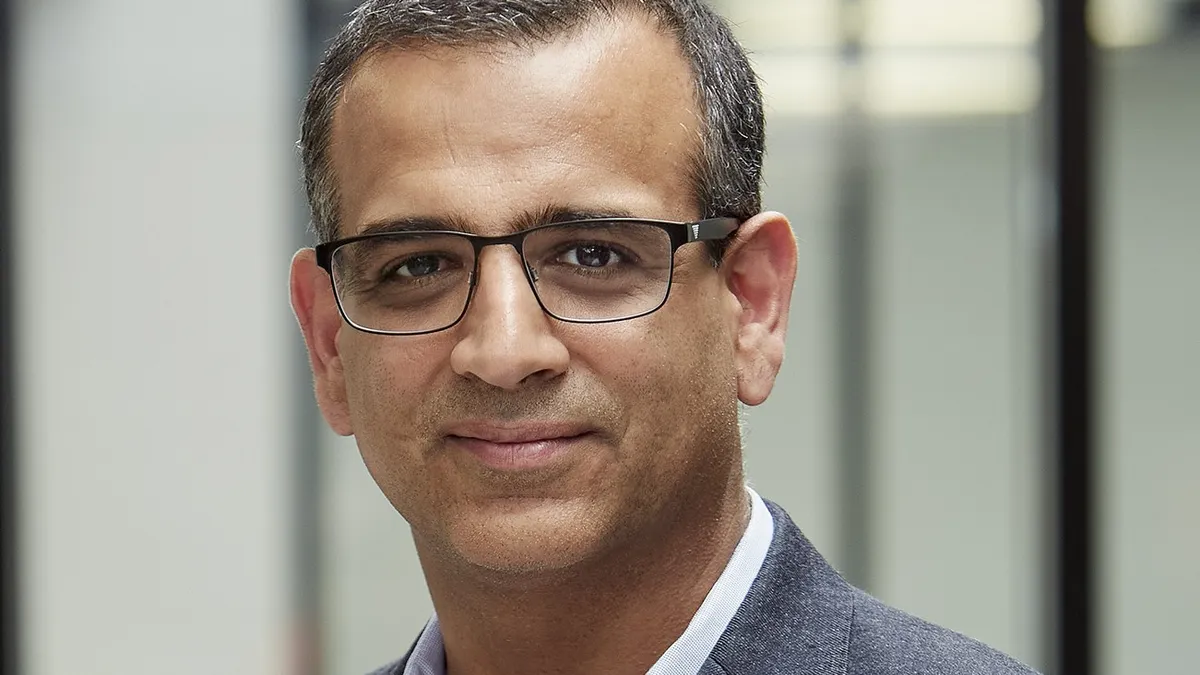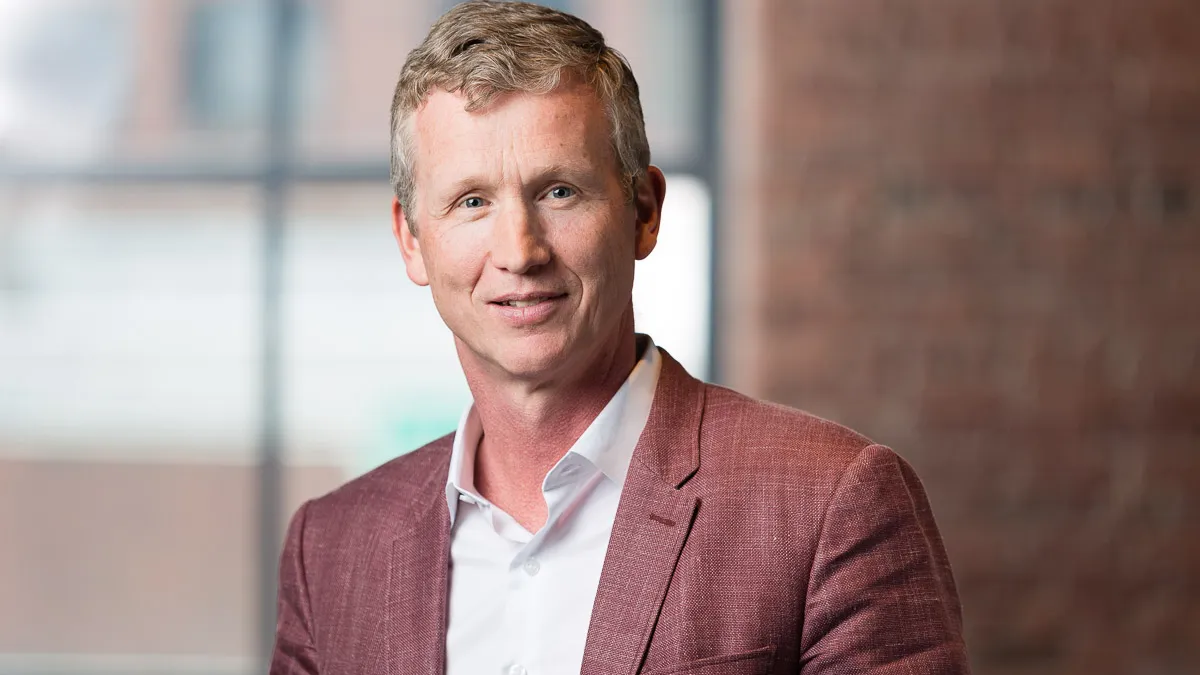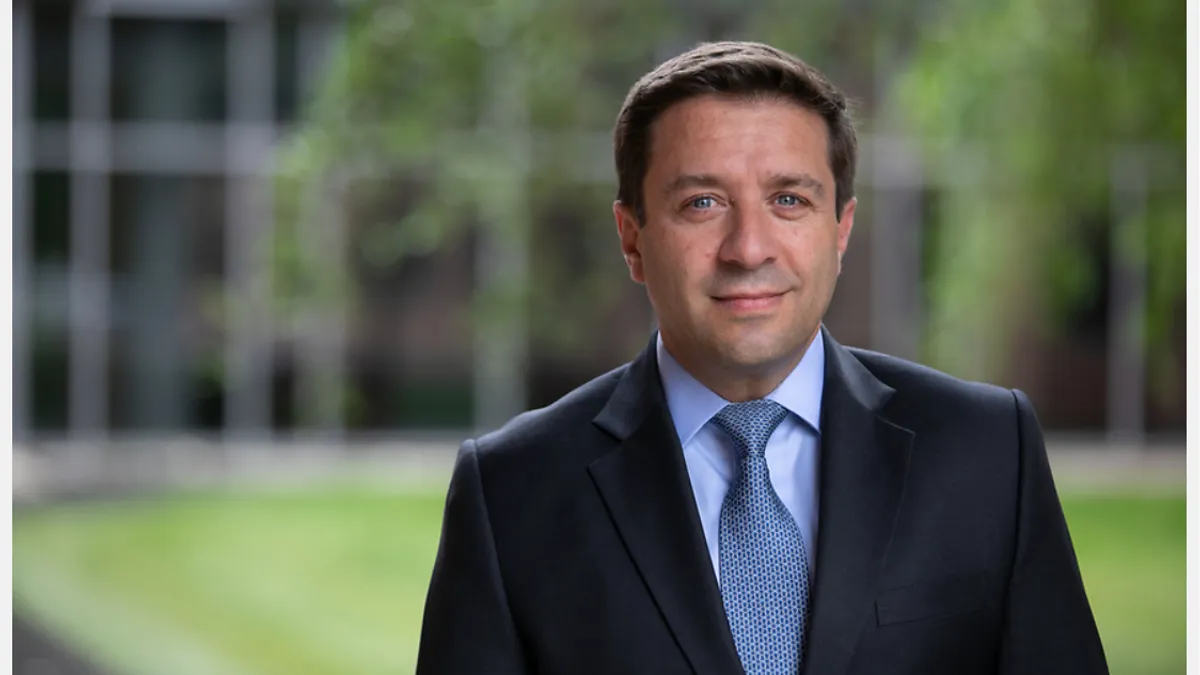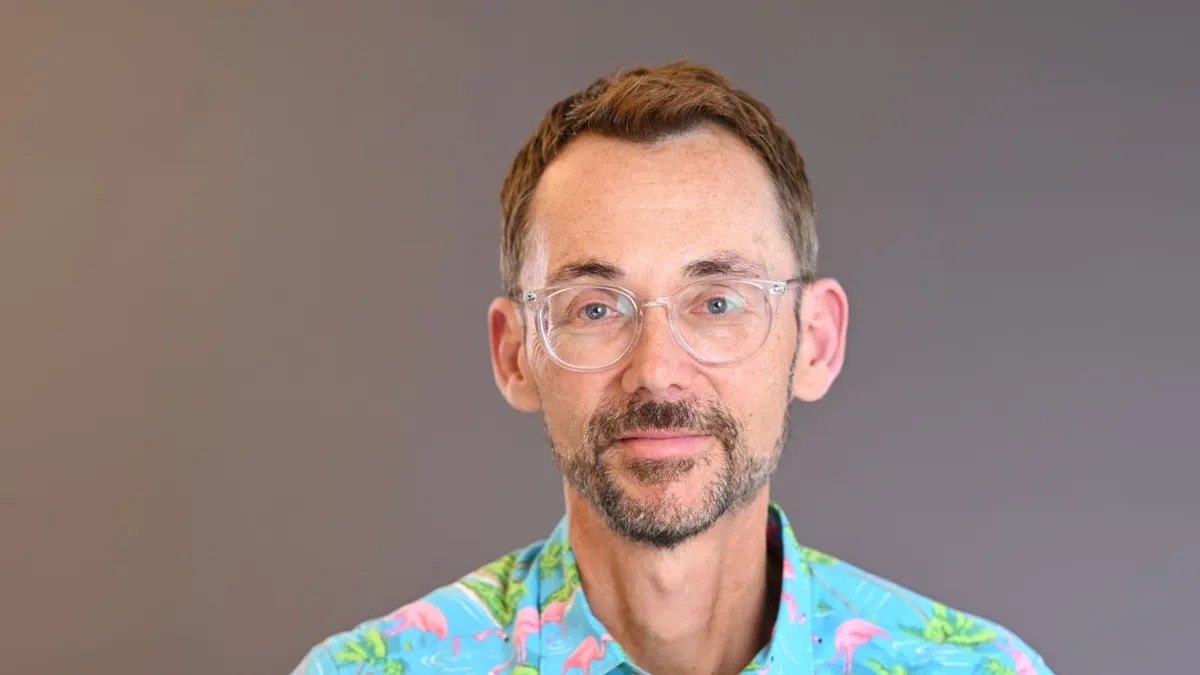
Welcome to First 90 Days, a series dedicated to examining how pharma leaders are planning for success in their new roles. Today, we’re speaking to Dr. Michael Ehlers, the newly appointed chief scientific officer and head of R&D at Formation Bio. The company acquires or licenses clinical-stage assets and leverages AI tools to develop them.
Using AI in drug discovery has become the strategy du jour for pharma companies. But the quest to find new drugs has triggered an “excess of clinical-stage molecules” now caught in a development “bottleneck,” according to Dr. Michael Ehlers, Formation Bio’s new chief scientific officer and head of R&D. And tackling that problem, he said, is where AI could really shine.
That’s also why Formation Bio is betting the technology could have its greatest impact in drug development’s “boring middle.”
Rather than identifying new molecules, Ehlers and Formation Bio are tapping the tech for what he called the “unglamorous” parts of drug development.
“[So] much value gets created from AI in the so-called boring middle of a trial,” he explained. “Enrollment, site selection, protocol amendment. The stuff that never makes it into a Nature paper, but is where most drugs actually die or survive on a timeline.”
That “boring middle” is central to Formation Bio’s thesis — and to the job Ehlers, a former Pfizer and Biogen executive, took on in July.
“Formation is built on the idea that AI can close that gap,” he said.
Formation, an AI-native company that counts OpenAI’s Sam Altman and Sanofi as backers, scours the industry for assets it considers promising that were quietly deprioritized. It then uses its proprietary AI and tech tools to quickly move those drugs through development, an approach aimed at one of pharma’s central problems, he said.
“[During] the next decade or so, the primary challenge in the industry is going to be to map this big space of disease indications, patient subsets [and] disease biology, to the big space of molecular interventions which are in the form of drugs, many of which already are out there in development somewhere,” Ehlers said. “I think AI is particularly suited for that challenge, even more so than in the early-stage discovery work.”
Building pipeline judgment
After a long career in academic neuroscience, Ehlers moved into Big Pharma, serving as group senior vice president of biotherapeutics research at Pfizer before becoming Biogen’s executive vice president of R&D. He later launched several companies, including Ascidian Therapeutics, which he led as founding CEO. Most recently, he was an entrepreneur partner at MPM BioImpact.
Although Ehlers wasn’t actively seeking a new role, he’d gotten to know Formation Bio’s founders, Ben Liu and Linhao Zhang, who asked what he thought of the company’s direction. Ehlers advised integrating its R&D, data science and business development capabilities more tightly.
“They said, well, this sounds perfect. You should come do that,” he said.
Ehlers is now tasked with guiding Formation Bio’s AI platform and building out a pipeline that currently includes two clinical programs — BLKR201 in inflammation and sprifermin in knee osteoarthritis — plus the preclinical autoimmune asset KMR301.
Formation Bio has tested its model on individual assets, diligence work and clinical trials. Now, it has to run a much larger portfolio, Ehlers said.
“That means building judgment into the organization — not just process, but judgment — that, along with the AI capabilities, can scale in a different way,” he said.
Over the next three or four years, Formation Bio will bring in six to nine clinical programs, potentially in areas like musculoskeletal disease and pain, precision immunology and neuro, Ehlers said. Rather than organize the pipeline around fixed therapeutic areas, the company will look for “entry points” — including causal and pathway genetics, overlooked intermediate endpoints and real-world associations between treatments and outcomes — that signal where a drug could have an impact.
A “survival skill”
For Ehlers, choosing those programs is fundamentally a judgment call.
“I've seen the same asset or program look completely different, depending on who's evaluating it and why,” he said. “From the initial in-licensing stage … it's fundamentally a judgment business. You're making a bet on biology and execution simultaneously with incomplete information on both.”
He has also learned to change course when needed — and to remain “genuinely skeptical of my own favorite hypotheses.”
“I would consider it to be a survival skill in drug development, where there's a lot of groupthink,” he said. “[That] can be fine, but I think it always needs to be challenged.”
Ehlers said lessons from the development of Biogen’s controversial Alzheimer’s disease drug Aduhelm could also inform his work at Formation. While Ehlers led R&D, Biogen and Eisai halted two phase 3 trials after an interim futility analysis. Ehlers left the company in October 2019 — before Biogen reversed course, pursued FDA approval and eventually discontinued the Alzheimer’s drug — but he said the experience left him with several lessons.
In particular, the experience underscored the importance of measuring whether a drug is changing disease biology — and moving forward only if it is, Ehlers said. It also showed that “trial design really matters,” including what researchers choose to measure.
The experience reminded him that “the real, lived patient experience and provider experience is really critical” in drug development.
“It's kind of a pact with these key stakeholders in society in terms of the things we do. And I'd say companies need to keep that in mind,” he said.
Together, those tests will shape what enters Formation Bio’s pipeline. Ultimately, the company will look for medicines that can change underlying disease biology and improve clinical outcomes, Ehlers said, “even if it’s not an obvious or hot thing.