Some of the biggest news and trends captured in PharmaVoice’s newsletter this week. Sign up here to receive the newsletter daily
BMS builds big in Texas
Pharma’s massive wave of U.S. manufacturing investments, which peaked last year, hasn’t completely subsided.
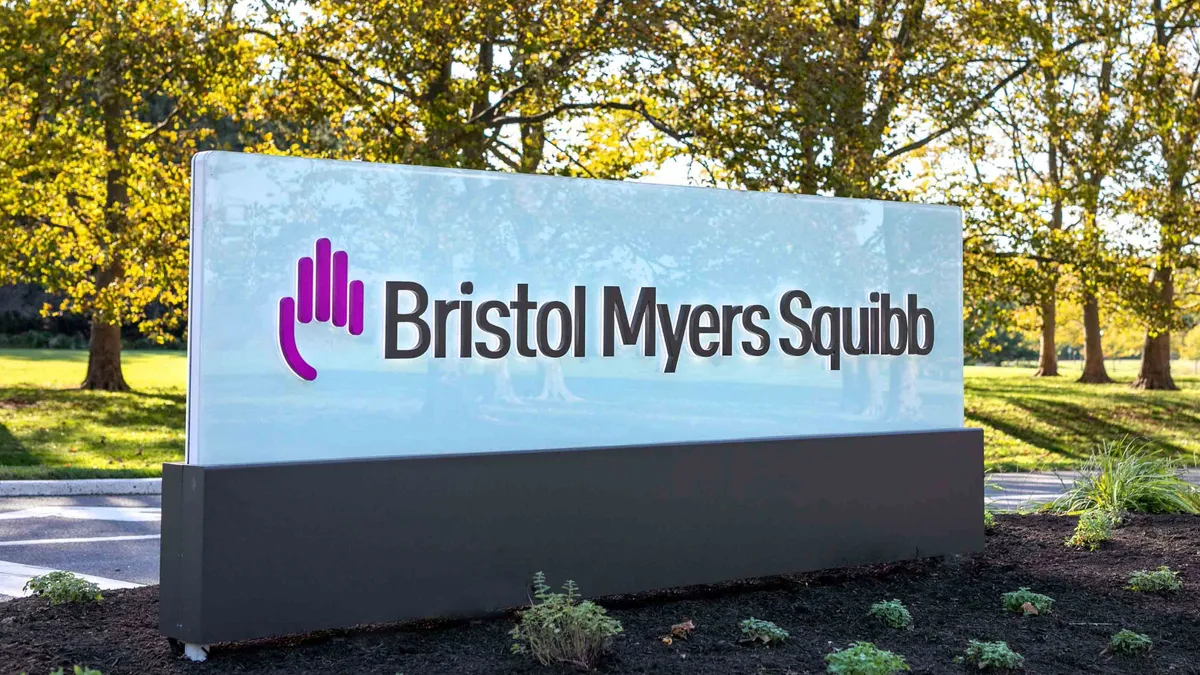
Bristol Myers Squibb is laying out $2.3 billion for a new manufacturing campus in Houston, the company announced Monday. The investment is part of BMS’ broader $40 billion commitment to U.S. R&D, technology and manufacturing. The site will create nearly 500 skilled jobs and is designed to produce ADCs, small molecules and biologics.
But those corporate bets are only part of the picture. State and federal governments are also pouring money into emerging biotech regions, hoping to build the infrastructure and talent needed to draw companies in. This week, we looked at which regions could become the country’s next manufacturing hubs.
Regeneron backs would-be rival
Regeneron is backing a startup developing potential rivals to its own blockbuster drug Dupixent.
Infinimmune announced a $75 million series A haul this week that counted Regeneron’s venture arm among its investors. The startup has two preclinical candidates in the pipes that could outperform Dupixent in atopic dermatitis and eventually expand into other inflammatory conditions, its CEO recently told BioPharma Dive.
The wager gets at a broader R&D challenge: identifying the right assets and getting them through the clinic. Formation Bio is attacking that problem from another angle. This week, we featured a conversation with new R&D chief Dr. Michael Ehlers about using AI to build the company’s pipeline — and the human judgment required to decide what belongs in it.
Lilly grabs more obesity market share
Eli Lilly is speeding further ahead of rival Novo Nordisk in the obesity space.
Lilly captured nearly 61% of the GLP-1 market in the U.S. during the last quarter — a slight bump over its share in Q1.
Even worse for Novo, the prospects for kickstarting growth in a new indication area were recently dimmed by a phase 3 fail for its experimental IL-6 targeting drug. This week, we looked at those late-stage results and the wider impact they could have on the inflammation hypothesis in heart disease.