Some of the biggest news and trends captured in PharmaVoice’s newsletter this week. Sign up here to receive the newsletter daily.
Lilly’s latest CAR-T buyout
A push by Eli Lilly to acquire genetic platforms like the multibillion-dollar acquisition of in vivo CAR-T biotech Kelonia Therapeutics announced yesterday is part of a long-game strategy to use today’s financial wins for tomorrow’s next wave of innovations. Having become the first drugmaker to reach $1 trillion in market value last year, the juggernaut isn’t putting all of its eggs in one basket.
The company has built a wide network of earlier-stage assets through partnerships and venture capital investing, following in the footsteps of fellow pharma giants Johnson & Johnson and Roche, once higher on the pharma food chain before Lilly hit it big in obesity. And its M&A strategy has reflected that diversification, making it a company not content with following just one path but a wide range of therapeutic areas.
This week, we explored Lilly’s investment in CAR-T cell therapies, following Big Pharma’s growing footprint in off-the-shelf options.
Cuban’s war on PBMs
To billionaire entrepreneur and Cost Plus Drugs founder Mark Cuban, drug pricing transparency is no joke. And lawmakers’ biggest failure related to drug prices is in allowing PBMs to continue earning $300 billion in rebates while controlling the medicine release valve, he recently said.
“We can do all kinds of legislation to get the rebates to pass through [to patients], but that’s all a joke, because until the brand and specialty manufacturers sell it to wholesalers at net, that margin is there for the big PBMs and the insurance companies they own to abuse,” Cuban said at a healthcare summit hosted by Politico this week. “That’s the only way things are going to change.”
Cuban was joined at the summit by CMS administrator Dr. Mehmet Oz, HHS adviser Calley Means and PhRMA CEO Stephen Ubl, all of whom discussed the need for a drug pricing overhaul, even if their methods differed widely. This week, we explored the lively debate at the center of drug pricing, including most-favored nation policies and what many have called a broken system.
CBER’s next leader?
Being head of the FDA’s biologic oversight center can be a thankless job, especially in the trenches of an increasingly politicized agency. Dr. Vinay Prasad plans to step down as director of the Center for Biologics Evaluation and Research at the end of the month, and the person taking his place will face challenges from many directions.
Could a new director with biopharma bona fides put the agency back on track? Prasad, an industry outsider who is leaving the post for the second time, took a whipsaw approach to some of the agency’s most pressing concerns, issuing mixed messages on vaccination, arguing publicly with gene therapy makers and creating what insiders described as a toxic work environment. Perhaps it’s time for the FDA to return to a more traditional leader for CBER.
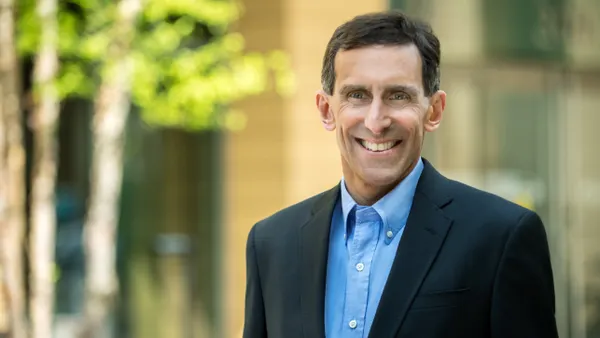
This week, we looked at one rumored candidate: Dr. Houman Hemmati, who hails from a biotech background while also supporting many of the current administration’s goals. Can he turn the ship around?