The FDA office that regulates vaccines and gene therapies has been a hornet’s nest during the tenure of Dr. Vinay Prasad, who’s preparing to step down at the end of April. Will his replacement settle the swarm or give the nest another poke?
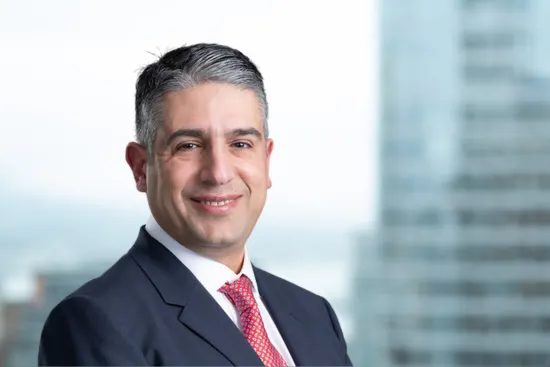
As of last week, the rumored frontrunner for head of the Center for Biologics Evaluation and Research CBER was Dr. Houman Hemmati, a board-certified ophthalmologist, biotech entrepreneur and vocal COVID-policy critic.
Hemmati has long been a fixture on the biotech scene, co-founding Optigo Biotherapeutics and holding positions at companies including Capricor Therapeutics, Allergan and Noveome Biotherapeutics. He’s also entrenched in the academic world as an adjunct assistant clinical professor of ophthalmology at the USC Keck School of Medicine and spent time in the lab at the California Institute of Technology and MIT, according to his LinkedIn page.
And when it comes to public health, Hemmati has made himself known as a supporter of conservative policies.
A frequent Fox News guest, Hemmati often throws his weight behind Trump administration policies. He’s vocalized support on X for TrumpRx and other initiatives to lower drug costs while backing recent FDA policies, including a new initiative to create an alternative “plausible mechanism” regulatory pathway for bespoke drugs for serious but ultra-rare conditions.
Hemmati also applauded the FDA decision to take the unusual step of including photos of conditions inside an Indian drug manufacturer’s facility in a warning letter, which is part of a broader trend by the agency to publicly criticize pharma’s missteps. And he’s expressed support for a proposal to create an expedited IND pathway using validated preclinical data to help the U.S. compete with China.
While he appears to support many current FDA policies, it remains to be seen if he would back Prasad’s controversial proposals to introduce more rigorous standards for vaccine approvals.
Hemmati’s public statements on immunizations are a mixed bag. He has broadly criticized COVID-19 policies and vaccines, supporting a narrowed use of shots that excludes children and pregnant women. On the other hand, he’s publicly voiced support for the flu shot and believes, according to one post, that “each vaccine is different” and that decisions about them should be “based on data.”
In an X response to Rep. Ted Lieu, D-Calif., he also expressed support for mRNA cancer vaccines, but called the approval process for COVID jabs “hastily authorized.”
He went on to say: “I’ve disagreed with Bobby [Robert F. Kennedy Jr] on many aspects of his criticisms of childhood vaccinations but I’ll never call him names . . .Where I do agree with him is that we are overdue for a thorough, objective, and non-politicized review of decades-old childhood immunization schedules to reassess their benefits and need.”
A highly politicized role
Despite touting hopes for a “non-politicized review” of U.S. health policies, politics could become a more pivotal part of the CBER director job. Prasad’s replacement will likely find themselves under a microscope and facing criticism from all sides, according to a STAT News analysis. If appointed, Hemmati will need the political acumen to navigate what has become a highly polarizing position.
Prasad, who served as both the FDA’s chief medical and scientific officer and the director of the CBER, was buffeted by heavy political headwinds. His departure will mark the second time he’s left the position. The first time he stepped down was in July, following a dust-up related to the safety of Sarepta Therapeutics’s Duchenne muscular dystrophy gene therapy Elevidys, but he was quickly reinstated by top officials.
Prasad also endured a string of high-profile controversies related to how CBER has conducted drug reviews. Companies have frequently criticized the agency for reversing opinions on clinical trial design as seen in mid-stream guidance changes for UniQure’s gene therapy for Huntington’s disease.
Prasad also drew fire for the agency’s refusal to review Moderna’s mRNA flu vaccine, a decision later reversed after public pressure under the condition the company perform an additional study.
CBER isn’t the only FDA division roiled by instability. Five different doctors served as director of the FDA Center for Drug Evaluation and Research last year alone.
If Hemmati wins the gig, it's likely he’ll face some of the same pressures that dogged his predecessor, and FDA Commissioner Dr. Marty Makary and HHS Secretary Robert F. Kennedy Jr. reportedly have strong preferences in how the FDA division should operate. The trick for any new CBER director will be threading the needle between ensuring scientific rigor and maintaining political support.