The Trump administration has long touted lower drug prices as one of its primary achievements in the last few years. But has the White House really lowered the cost of drugs? Democrats are champing at the bit to find out and are planning to dig into deals the administration struck with pharma companies for answers.
The scrutiny has already begun.
Earlier this month, lawmakers sent letters to all 27 companies that signed most-favored nation deals with the Trump administration requesting additional information about the agreements, which were designed to align certain U.S. drug prices with the lowest prices paid in other developed nations.
Pointing to the lack of transparency around the deals, most of which were struck with Big Pharma companies, lawmakers had already asked the Trump administration for more details in March.
More investigations could be on the way. When Democrats seize control of Congress next year, they’re likely to ramp up the oversight on the industry by focusing on several high-profile issues.
“The Democrats will feel that they have a freer hand, with or without Republican support, to focus on some of these most-favored nation deals with the administration,” said David Leviss, a partner in the law firm O’Melveny’s Washington, D.C. office.
“The Democrats will explore their argument that many of these deals did not benefit the American people the way the administration has represented them to.”
The TrumpRx platform, a centralized portal that links consumers with discounts from drug manufacturers, has also been the focus of early inquiries, said Kevin Barstow, a partner at O’Melveny.
The Trump administration worked with drugmakers to offer certain medications at reduced prices through the platform. Around the time of its planned launch, a group of senators asked the Office of Inspector General to examine potential conflicts of interest and whether the platform complies with the Anti-Kickback Statute and other federal laws.
A subsequent report from Energy and Commerce Committee Democrats also questioned whether the site is delivering genuine savings to consumers, because many discounts were already available elsewhere or because the platform failed to point consumers to generic alternatives.
“Companies should be reviewing the issues Democrats have already identified, assessing where their businesses may be affected and making sure that they have a process in place for responding.”

Kevin Barstow
Partner, O’Melveny’s Washington, D.C. office
Democrats might also zero in on corporate structures that potentially shield domestic and multinational companies from paying some U.S. taxes.
“There's a view within some groups in Congress that holding intellectual property in an overseas entity is merely an approach to try to skirt U.S. tax liability,” Leviss said.
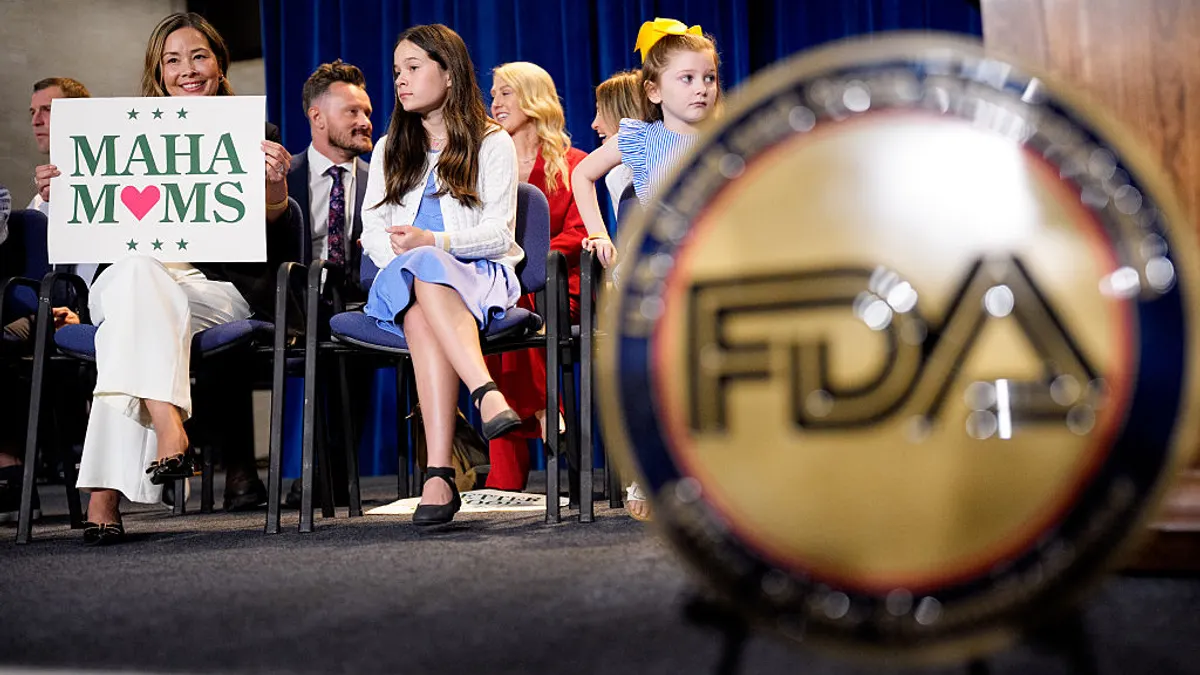
And lawmakers could take aim at the FDA and drug safety.
The agency experienced significant workforce reductions and leadership turnover under the Trump administration, which has led to persistent staffing shortages. Investigations could raise questions about whether the FDA has the resources to carry out its statutory requirements, Leviss said.
Other probes could target drug safety oversight and supply chain security, Barstow said.
As these investigations play out, companies across the industry could get swept into the investigations.
The risk of political theater
The federal government will be divided by a Republican president and Democrats’ majorities in the House and Senate come January, making it difficult to pass legislation. So, oversight could become the “name of the game” for lawmakers, Barstow said.
“I think we're going to see oversight coming from committees that haven’t traditionally been as active or as aggressive,” he said.
Investigations can create risks for companies within “the blast zone,” even if they haven’t done anything improper, Leviss said. Companies will likely be asked to fill the gaps if the administration declines to cooperate with requests.
“I don't think [Congress] will spend a large amount of time waiting to receive information. They're going to go directly to companies themselves,” Barstow said.
These types of probes can be unlike other government inquiries and have the potential to impact companies’ reputation by driving public debates and swaying opinions.
“Congressional investigations are inherently political, but that doesn't mean the questions being asked or the information being sought is not legitimate,” Barstow noted. “But the objective of an investigation can clearly extend beyond gathering facts or informing legislation.”
And in the era of social media, corporate leaders who’ve been questioned publicly by Congress can find themselves on the losing end of an online clip.
“We’ve all seen the viral hearing moments where a very intelligent, very successful executive answered a question that turned into a TikTok clip that ultimately resulted in their removal from their role,” Leviss said.
Sometimes even justifiable business calculations can be reframed with a negative spin. For example, while MFN agreements have come under fire because many deal terms aren’t public, they could be under wraps to protect legitimate proprietary details, Barstow said. Even if that turns out to be the case, that may not be the way deals are portrayed.
“The Democratic story here will likely be that there must be something nefarious because the deals were not made public,” Leviss said.
This could leave companies grappling with the challenge of trying to prove that they did nothing improper or illegal, he said.
How pharma can prepare
As these potential challenges loom, companies should assess their risk exposure up front.
“The worst time to start thinking about a congressional investigation is when the letter arrives,” Barstow said. “Companies should be reviewing the issues Democrats have already identified, assessing where their businesses may be affected and making sure that they have a process in place for responding.”
Not every company needs an elaborate response plan, Barstow said. But they should know who’s going to handle Congressional investigations, how decisions will be made and have a plan tailored to the unique nature of these inquiries.
“Congress operates under a different set of rules with different objectives and different pressures, and companies will need to understand the political, reputational and broader business implications that a congressional investigation may have,” Barstow said.
Leaders can typically prepare by making sure they have a good awareness of the ins and outs of their company, a cross-functional team in place and a process for responding, according to Barstow. And importantly, they should understand the dynamics of these investigations.
“A lot of companies are thinking about where the administration and Congress may have competing demands or competing interests and how they may want to navigate those situations,” he said.