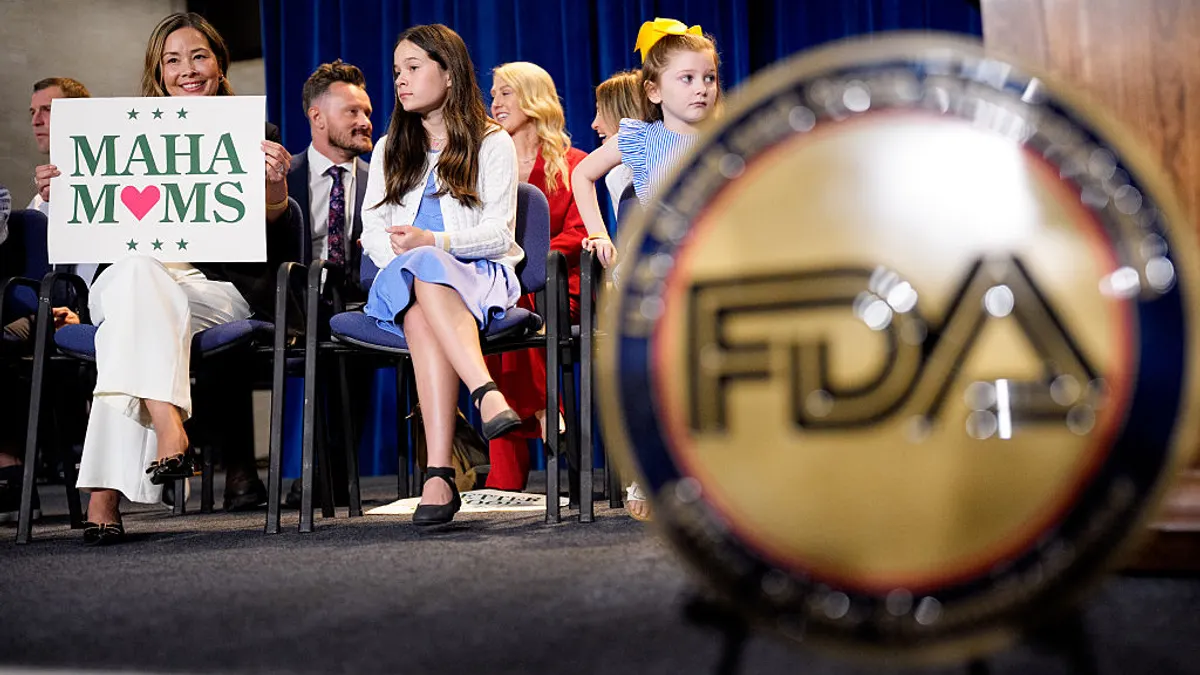
The midterm elections not only revealed widening cracks in the MAGA coalition, they exposed a growing rift in the Make America Healthy Again movement led by HHS Secretary Robert F. Kennedy Jr.
Calley Means, in particular, has been stirring up MAHA discord amid the Republicans’ wider post-election infighting. A staunch MAHA backer who stepped down as senior advisor at HHS last month, Means is making the media rounds to air grievances from his time in government.
On a recent episode of Joe Rogan’s podcast, he lambasted Trump administration officials for not sticking to MAHA’s agenda over the last few years. Specifically, Means wanted the government to more closely study the health impacts of glyphosate — the controversial herbicide primarily manufactured by Bayer. But Means said he encountered strong industry pushback before the Trump administration issued an executive order protecting glyphosate by calling it key to “national defense.”
Means also had a lot to say about the FDA’s review of Moderna’s new mRNA-based flu vaccine.
After initially refusing to review Moderna’s application over the summer, the FDA then flip-flopped and ultimately approved the shot in August. Despite the FDA OK, Means called Moderna’s trial design “rigged” and said the shot “didn’t work.”
Although the FDA was led at the time by Dr. Marty Makary, Means placed a lot of the blame for the government’s shift away from MAHA principles, including vaccine skepticism, on President Donald Trump’s chief of staff, Susie Wiles.
But the dynamics Means described within Trump’s inner circle are about to change. There’s a new chief in town.
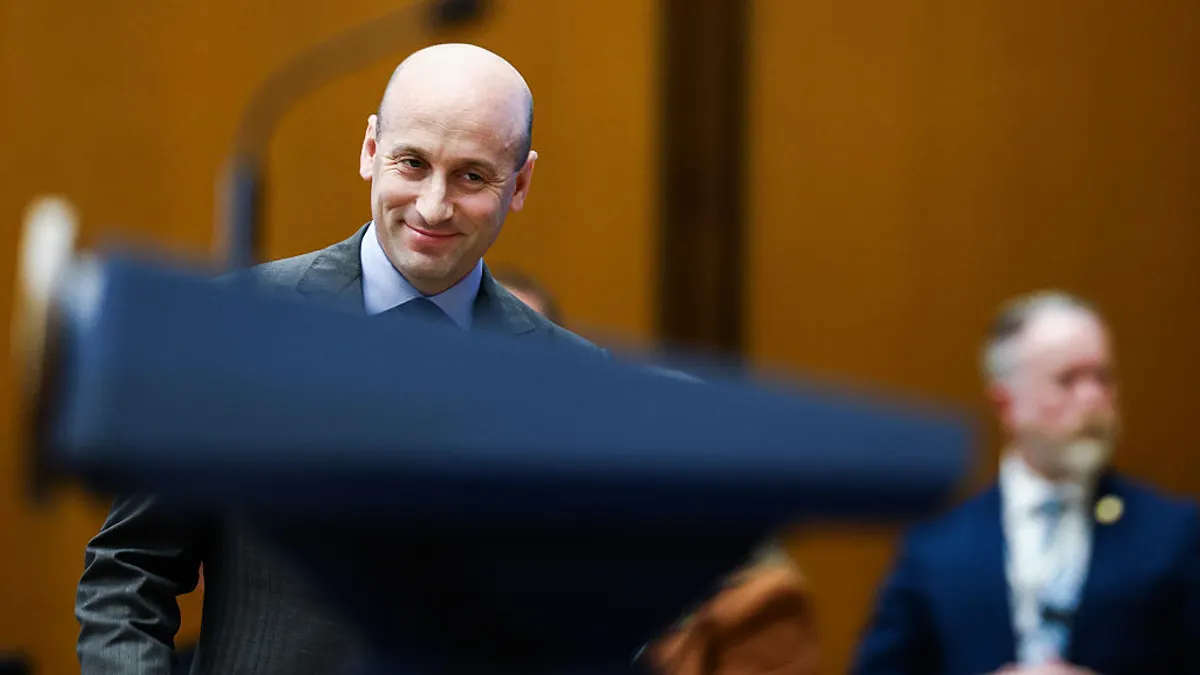
Earlier this week, Trump installed Stephen Miller as his right-hand man. Miller, a long-time advisor to the president, is a lightning rod-type figure in politics who’s most well known for his hardline immigration policies. He’s also a long-time supporter of MAHA.
In the days following Wiles’ ouster, some MAHA supporters heralded a potential return of the movement to the White House. Miller’s influence over health regulation decisions faces its first test next week.
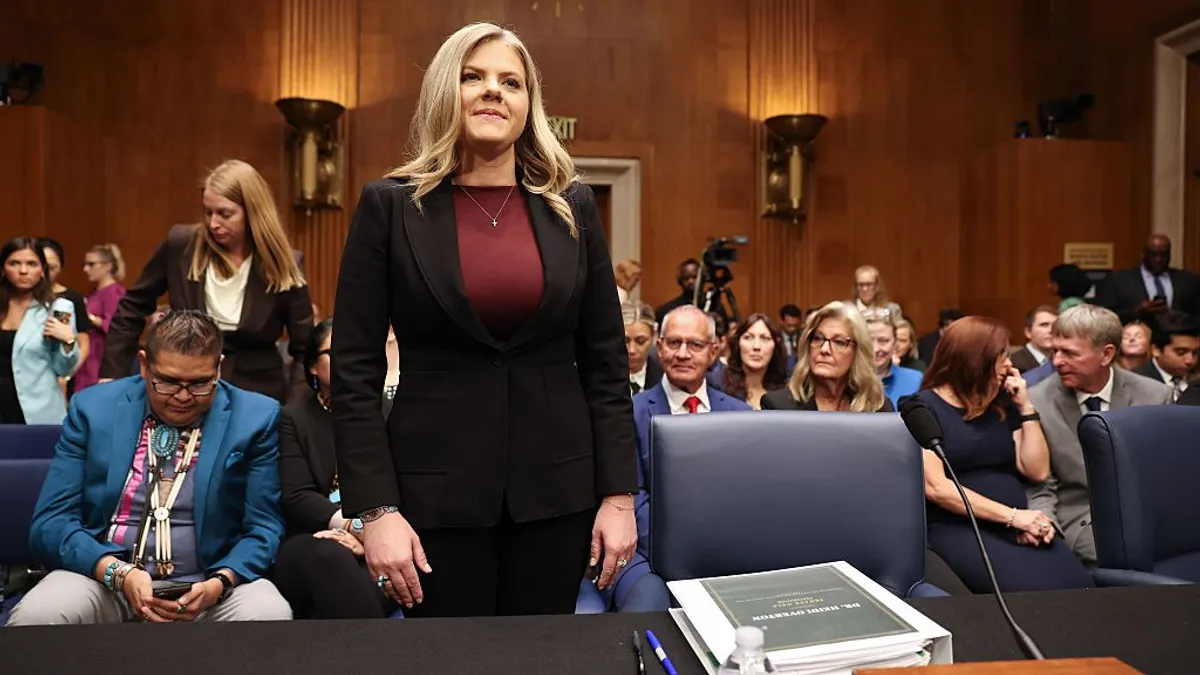
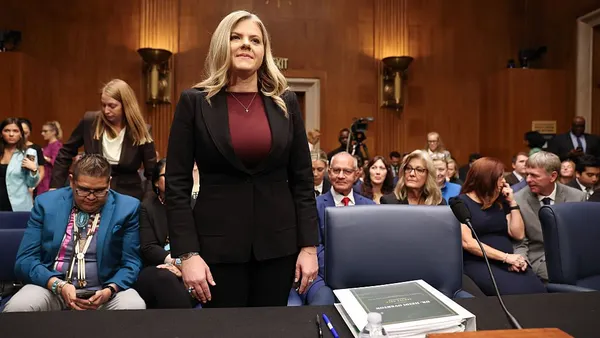
While Dr. Heidi Overton’s nomination process to be the next FDA commissioner was stalled during the midterm elections, the Senate is moving forward with hearings once again, setting a key health committee vote for Nov. 18.
Means slammed Overton’s involvement in the glyphosate executive order and some MAHA supporters have criticized her stance on vaccines. Several Republican senators have also yet to express strong support for confirming Overton to the FDA.
On top of that, Wiles was one of Overton’s top allies. Without Wiles in the White House and so many doubts swirling around Overton’s confirmation, will Miller advocate for a more MAHA-aligned nominee instead?
Comments from Miller and Kennedy suggest that a revival of the MAHA movement will indeed be underway, which could translate into more regulatory scrutiny around vaccines, psychiatric drugs and pharma in general. Here are three quotes that illustrate why.
“Next to me, Stephen Miller is the strongest MAHA supporter in the administration. It’s time to unleash the Kraken.”
~Kennedy on Miller’s appointment as Trump’s new chief of staff on X.
Miller not only supports MAHA principles, he served on the commission that produced “The MAHA Report” last year.
The lengthy report outlined the MAHA agenda, including policy aims around tackling ultra-processed foods, agriculture chemicals and the “overmedicalization” of children, while promoting better diet and exercise habits.
The report is also very critical of the pharma industry, its influence over public health and how it conducts scientific studies.
“Pharmaceutical companies often craft studies and papers designed to favor their products. Evidence shows industry studies are much more likely to report favorable outcomes, exaggerating benefits and underreporting harms,” the report states.
"The pressure from the pharmaceutical industry and from aspects of the medical industry to pump your kids full of shots days after birth with no understanding of the long-term consequences has been a medical travesty.”
~Miller at a White House event in August as Trump signed an executive order altering historic vaccine recommendations.
Dubbed the “Gold Standard Childhood Vaccine Recommendations,” the August executive order reduced the number of diseases covered by universal childhood immunization recommendations from 18 to 11, according to the White House. It also called for separating the MMR combination vaccine once individual products become available.
During the Oval Office signing, Miller said that parents of newborns are pressured to give their children multiple vaccine doses and that "nobody has studied it, nobody has looked at it, nobody has thought about it."
The executive order was widely criticized by public health experts.
“Nothing could be more detached from reality,” Dr. Jake Scott, a clinical associate professor of infectious diseases at Stanford University School of Medicine, wrote of Miller’s comments at the executive order signing.
Scott noted that vaccines are subjected to clinical trial testing along with longer-term surveillance studies and pointed to various widespread health consequences that could occur in the U.S. if the recommendations are widely adopted.
“When I grew up in the 90s, it was commonplace for every young boy that I knew who was deemed to be too energetic [to be] put on Ritalin … If they were too happy in class, too excited in class, the teacher would call the parent, they would have a parent-teacher conference and they would put that kid on drugs. And we’ve had that culture for decades.”
~Miller, speaking at a MAHA hearing last year.
Tackling “overprescribing” of psychiatric medications, especially for children, is one of MAHA’s top priorities. Over the last year, that push has been picking up steam as regulators home in on one class of medications in particular: antidepressants.
While the FDA has yet to restrict access to antidepressants, Kennedy and HHS officials explored banning certain SSRIs, sources told Reuters earlier this year.
HHS denied the claim that it was pursuing an SSRI ban, but the same week, the agency released a plan to “curb psychiatric overprescribing.”
As part of the plan, HHS said it would convene a number of expert panel events to discuss the treatment landscape for psychiatric conditions like depression. Healthcare and regulatory officials met over the summer as part of the initiative to discuss potential forthcoming clinical guidance around psychiatric prescribing practices, Stat reported in July.
With Miller now installed as chief of staff and a consequential FDA confirmation vote approaching, pharma may soon find out whether Kennedy’s “unleash the Kraken” was just a rallying cry — or a preview of the administration’s next regulatory battles.