Takeda Pharmaceuticals’ experimental psoriasis pill zasocitinib has developed a notable track record in the clinic, including outperforming Bristol Myers Squibb’s Sotyktu in a phase 3 trial. That head-to-head result also came with another headline description: “AI-designed” drug.
But that characterization of zasocitinib isn’t totally accurate.
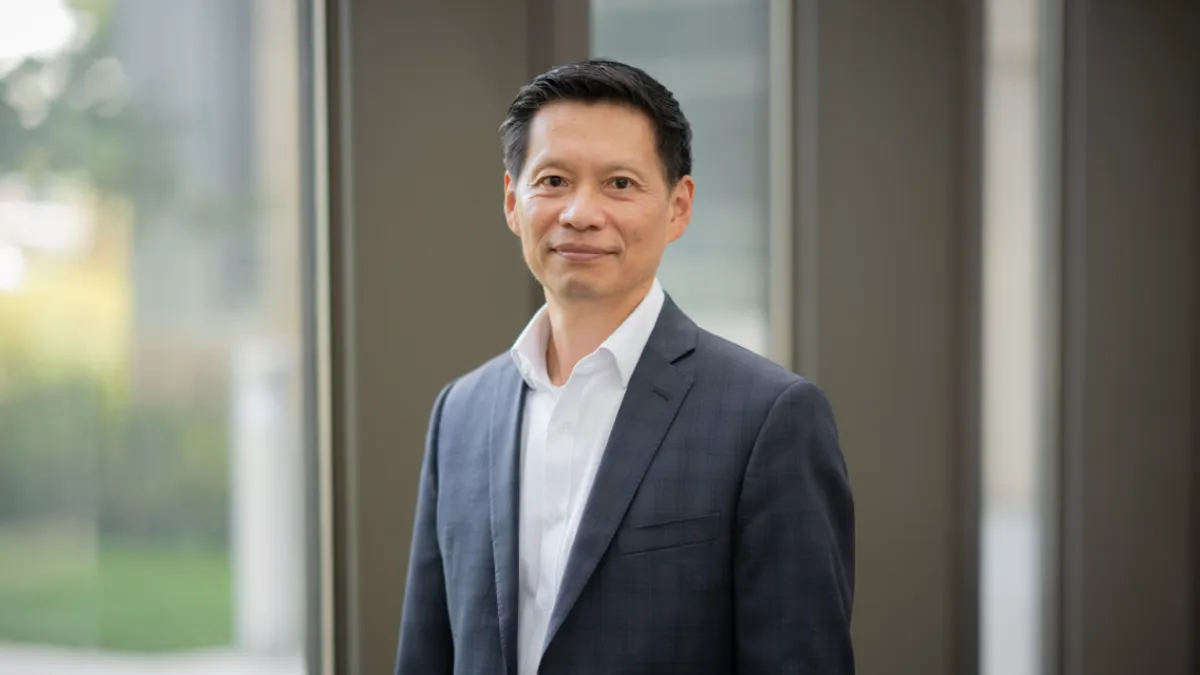
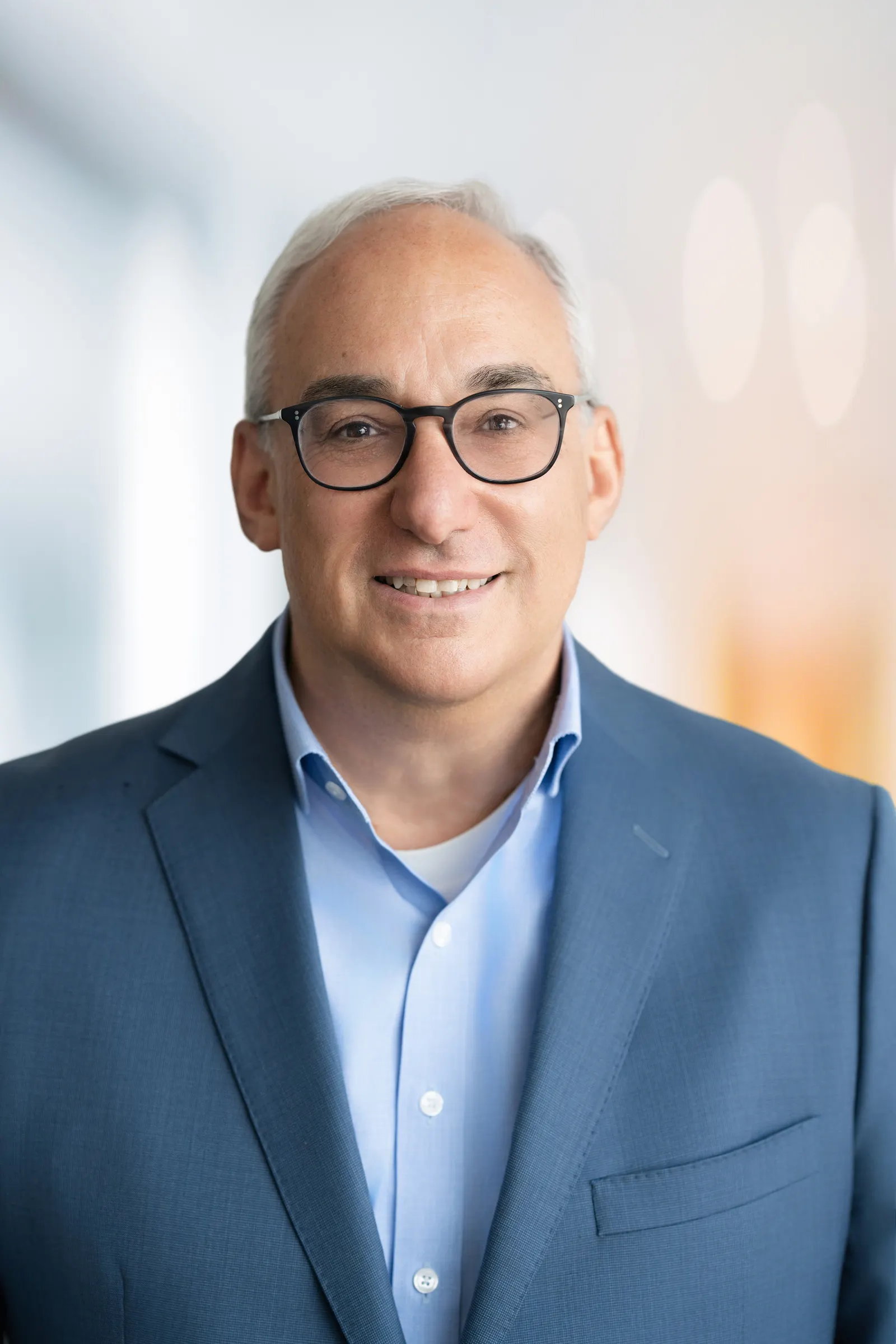
“I have heard people say it's going to be the first AI-approved drug and that's not the term I would use for an agent that was identified in 2020,” said Peter Tummino, president of R&D at Nimbus Therapeutics, which sold zasocitinib to Takeda in 2022 for $4 billion upfront and up to $2 billion in sales-based milestone payments.
The use of AI in zasocitinib’s development was much more nuanced. It also illustrated the breadth of what AI-aided drug development really looks like.
Initially, Nimbus set out to develop a TYK2 inhibitor, which is part of the JAK protein family, that didn’t carry the off-target side effects of other JAK inhibitors. Using machine learning and a physics-based computational method known as free energy perturbation, researchers ultimately assessed more than 13,000 compounds computationally. In a rapid pivot, within three months those assessments helped produce the compound that eventually became zasocitinib. The new drug combined high efficacy with a good safety profile in clinical trials.
“We built in that selectivity to be essentially perfect relative to the JAKs,” Tummino said. “That allowed us to keep dosing up until we had inhibition, which ultimately could give more efficacy in patients.”
The scientists behind the computational research estimated that, without those tools, assessing the same number of compounds with more conventional experimentation would have taken more than five years.
“By utilizing historical data within a series, and then applying ML, you can begin first to predict in vitro properties for ADMET [absorption, distribution, metabolism, excretion and toxicity], and hopefully get those to translate to in vivo properties. We had good success with that. That allowed us to move more quickly to build in very good [pharmacokinetic] properties for the molecule,” Tummino said.
Where could AI take drug R&D next?
Along with securing several deals, including a 2016 acquisition by Gilead Sciences worth up to $1.2 billion for a subsidiary focused on liver diseases, Nimbus has developed an internal pipeline with both preclinical and clinical-stage candidates across oncology and immunology.
Nimbus plans to take a selective SIK2 inhibitor from its preclinical immunology program into first-in-human studies later this year, according to the company.
And the company notched two separate collaborations with Eli Lilly to develop compounds targeting AMPK in cardiometabolic diseases and a novel oral treatment for obesity.
Along the way, AI became “embedded” in Nimbus’ drug development efforts, Tummino said.
“AI in isolation could make you go faster, but we see opportunities that it can also be a major contributor to taking on tougher targets.”

— Peter Tummino
President of R&D, Nimbus Therapeutics
“We haven’t abandoned computational chemistry because AI has solved it. It hasn't. What we've done is incorporate AI side by side with any other computational technologies that will make a difference,” Tummino said.
AI-driven generative chemistry remains a prime area of focus for Nimbus because of how it analyzes structure activity relationships to develop new ideas for novel molecules. Tummino equates this to having another scientist on the team that provides “ideas that are actually quite different than what the med chemist would have done.”
“It's what med chemists have been doing for a couple of generations. But now AI can do it,” he said. “You're looking for it to give ideas that are synthetically accessible … that may optimize multiple parameters at once. So you're applying it to multi-parametric optimization, and it’s doing it based on its understanding of chemistry.”
Tummino is also excited about the prospect of AI helping drug discovery move beyond the “rule of five,” a set of guidelines medicinal chemists use to assess whether a small molecule has properties favorable for oral delivery. Exploring that chemical space with a machine-provided boost could help them hit targets previously considered undruggable or difficult to drug.
“We are trying to upgrade our computational chemistry and, side by side, employ AI,” he said. “AI in isolation could make you go faster, but we see opportunities that it can also be a major contributor to taking on tougher targets.”
While Nimbus didn’t fully create zasocitinib with AI, other companies have staked that claim for their clinical candidates. Earlier this month, Insilico Medicine dosed the first patient in what it called the “world’s first phase 3 trial of a generative AI-driven innovative drug” for its idiopathic pulmonary fibrosis treatment rentosertib.
Meanwhile, zasocitinib is moving closer to a potential approval. Last week, the FDA accepted Takeda’s new drug application under priority review.
And as the market matures, Tummino believes it’s important to be accurate when describing the use of AI in drug discovery.
“I do think there's been some overstatements. It always happens with a new technology,” he said. “The more we can be accurate, the more quickly we can make progress with it. It's such a powerful tool. But it's not a panacea.”