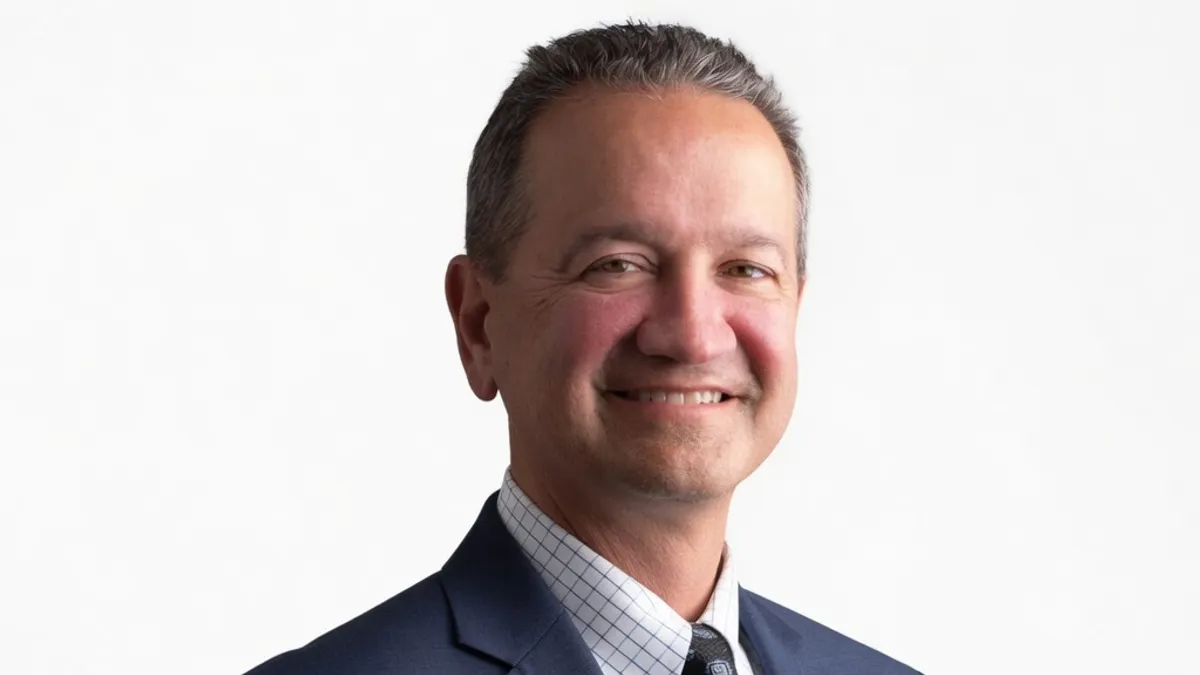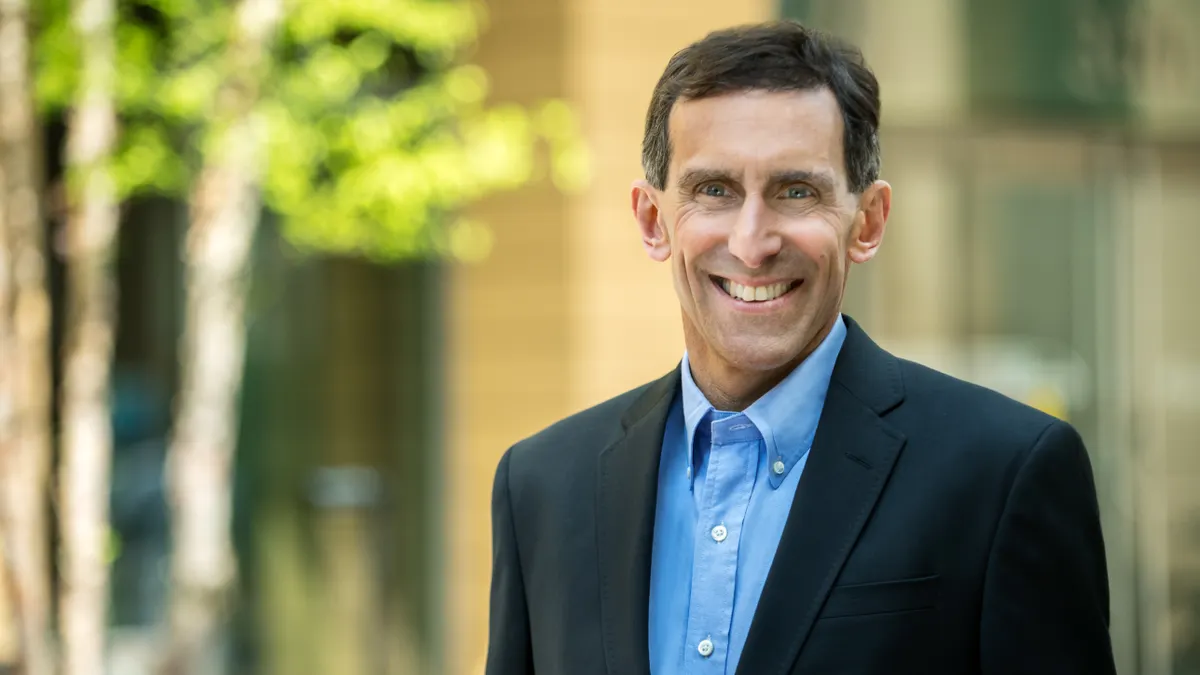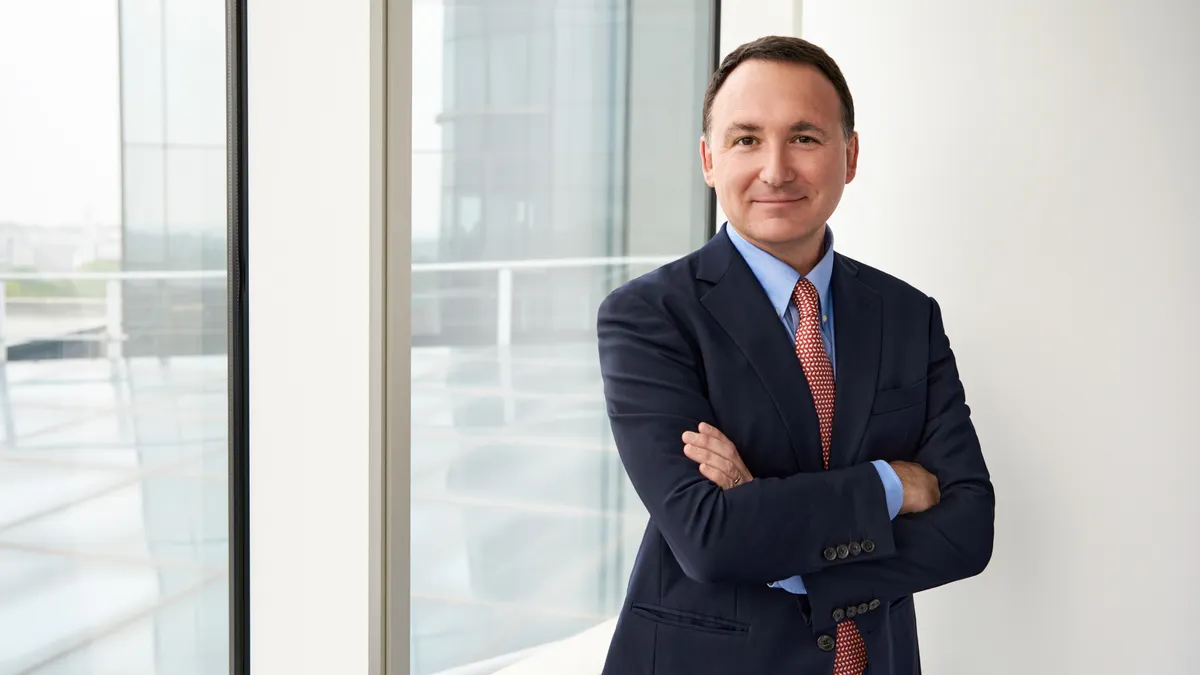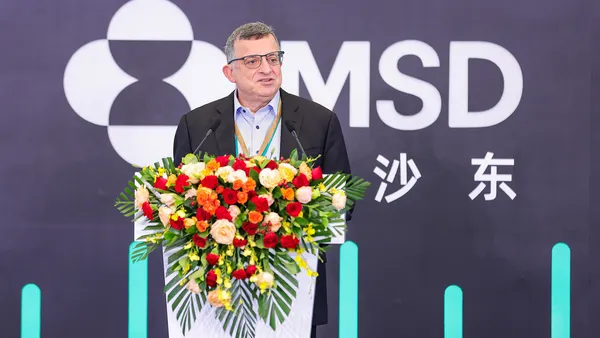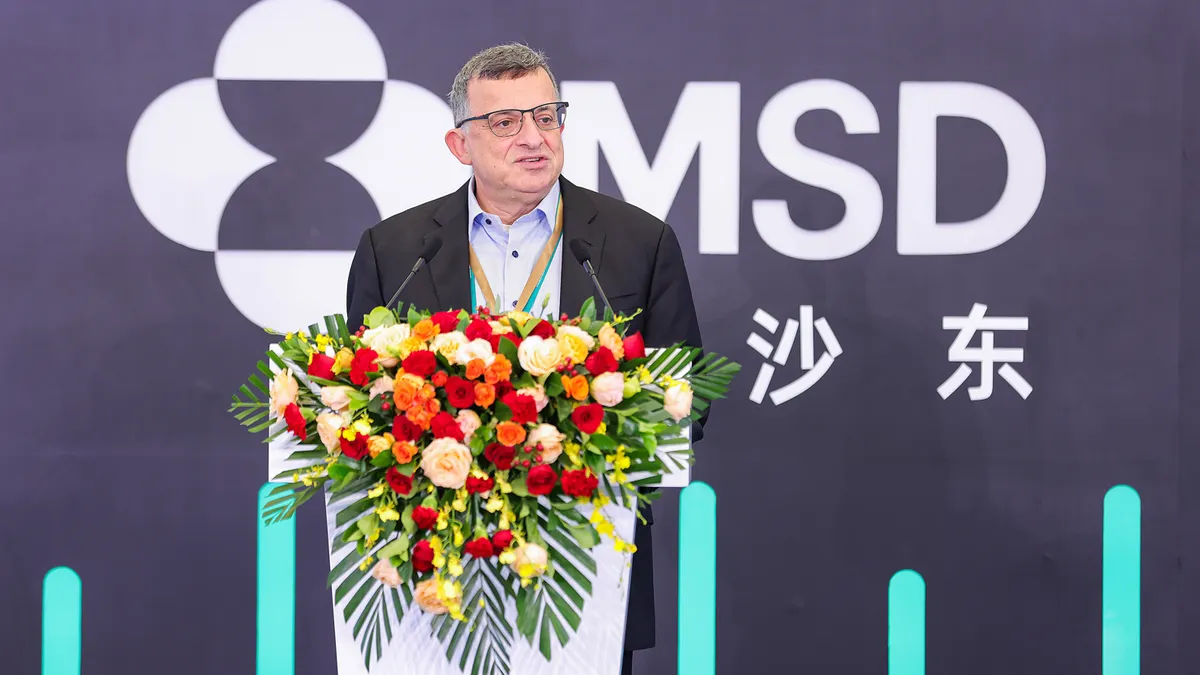
Welcome to “Day in the Life,” a series examining what it’s like to walk in a pharma exec’s shoes. Today, we’re going behind the scenes with Dr. Eliav Barr, senior vice president, head of global clinical development and chief medical officer of Merck Research Laboratories, on how the AIDS crisis led him to pharma, his busy travel schedule and what keeps him grounded.
Dr. Eliav Barr was “preordained” to work in medicine. His father was a doctor, his mother a nurse, and it was understood that their eldest son would follow in their footsteps, he said. But Barr wanted to do it his “own way,” and after finishing an accelerated medical school program, he soon realized his fate actually belonged to pharma.
It was the 80s. The AIDS crisis had kicked into full gear. And although Barr was trained as a cardiologist, his work as a young doctor confronting the horrors of the epidemic turned his attention to the infectious disease arena.
“It was one of the most heartbreaking and awful periods of time in medicine for a variety of reasons,” he explained. “AIDS robs people of their dignity in so many ways. As a gay man, it was really hard to watch so many people die a horrible death.”
Seeing patients is a “holy thing,” Barr acknowledged. But Barr knew he could have a wider impact by gearing his efforts toward public health.
“I wanted to do something big. So I did,” he said.
After a postdoctoral training at University of Michigan and a faculty position at University of Chicago, Barr made the leap into drug development, landing a job at Merck. Thirty-one years later, he’s still there.
Barr’s worldview has also been shaped by early experiences in his mother’s life. A Holocaust survivor whose town was invaded by Germans when she was four, Barr’s mother endured “everything that was horrible,” he said.
“She was a very fierce lady,” Barr said. “She taught me that you never give up. You do the best you can, you work hard, you persevere. And at the end of the day, you will be measured by your legacy.”
Barr began to cement his legacy by playing a hand in developing the vaccine that became Gardasil, which was designed to prevent infection with certain human papillomavirus and cancers linked to them.
Now he’s juggling quite a bit more. As senior vice president, head of global clinical development and chief medical officer of Merck Research Laboratories, the large pharma’s R&D arm, Barr is helping to lead clinical development for a quickly swelling pipeline with over 50 programs.
Growth in Merck’s R&D machine is being fueled by a push to fill a looming patent gap for its flagship blockbuster cancer drug Keytruda, which has sent the company on a dealmaking streak. Most recently, Merck paid $400 million upfront in late September for global rights to SciBrunch Therapeutics’ preclinical KRAS G12D inhibitor in a deal that could ultimately be worth over $2.1 billion.
“The size and scope of the pipeline has dramatically increased relative to when I took over,” Barr said. “So being able to scale up both my ability to process information and have the team around me function at 100% is really important.”
Here’s a peek behind the scenes of Barr’s daily life, how he’s navigating the growing complexity of his work and what he does for fun after hours.
A look at Barr’s life on the job
His typical day: Every day is something. I have a lot of meetings about how to design our studies and about data coming from the studies. I see a lot of doctors and clinical scientists. I talk to people around the world who tell me about issues coming up with trials and how to solve them. I get to ask for money from my management to fund all of our trials.
And the past few months, I have been really involved with understanding the power of AI and how to use AI to benefit the quality, speed and accuracy of our clinical programs.
But I travel about 40% of the time. Travel usually involves visiting one of the places we do clinical trials, which is in 50 countries. A lot of my travels are to Latin America and Asia. What's really fantastic is that you get to see the work people do, their pride in the research and understand how medicine is done around the world. It's a very intimate thing. You go to a hospital. You see what it means to be sick there. You learn how to administer care, what the problems are, the unmet medical needs, the technical issues and the barriers between a drug you developed and it being administered.
It's just a really eclectic kind of life. One day I'm working on next year's budget and figuring out which studies are the most important. The next day I'm in a convention center listening to the latest science. Then the next day, I might be at a ministry of health in some country, trying to advocate for implementation of a vaccine or medicine program.
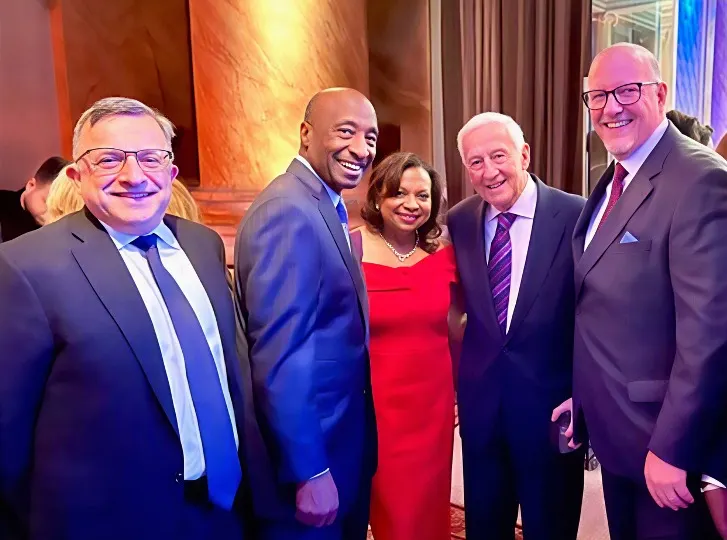
What he learned from former Merck CEO Ken Frazier: I had the enormous privilege of sharing a moment with three Merck CEOs, including Ken Frazier, who was the CEO from 2011 to 2021 and is my absolute idol. He is an absolutely magnetic personality and such an inspiring leader. He taught me how to always be grounded and truthful to who you are.
Some of his favorite clinical candidates at Merck: One is intismeran, which is our individualized neoantigen therapy that can specifically train the immune system to fight melanoma and to reduce the risk of recurrence. We’re developing it in collaboration with Moderna, and detailed data from the phase 3 trial will be presented at the European Society for Medical Oncology Congress later this month. It’s a personalized medicine, it’s high tech, it shows all the latest genomic understanding of tumor biology and it acts like a vaccine that can provide durable efficacy for patients at risk of recurrence.
The other is called alimatravir, which is an HIV pre-exposure prophylaxis. A very tiny percentage of the at-risk population is getting PrEP now, and the reason is because they don't have access. Or there’s a stigma. Or the cost is all wrong.
Injections for long-acting PrEP products can require pretty sophisticated medical infrastructure. Alimatravir has the potential to be given once a month and it’s a very tiny pill. With certain middle-income countries at minimum, we’ve entered into voluntary licenses with a variety of generic manufacturers to have it made cheaply and available at launch. We’ll see what the phase 3 shows us. But you could have a revolutionary thing where people will have a pill they could pick up from a community pharmacy. It could be managed anonymously.
If it all works out, we've made it. We've taken all the excuses out of the system as to why people can't get PrEP.
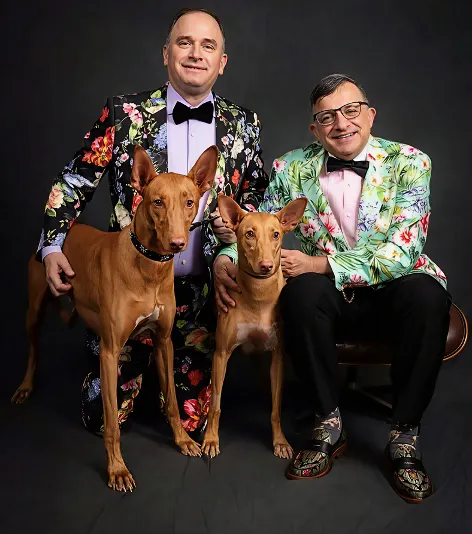
What keeps him grounded: The first thing I always do in the morning is make time to play with my fur babies, Sorel and Orion, because they ground me into what is 100% pure and good, and what love is about.
I also like to spend the first part of my day asking myself how I did yesterday, and how I lived up to the George Merck quote: “Medicine is for the people. It's not for the profits.” So it’s asking: What are the things I missed? How am I living up to the standards that I have?
And then I go to work.
One thing Barr likes to do for fun: I’m a huge Bruce Springsteen fan. I can remember the first day I listened to “Born to Run,” his seminal third album, and it made me realize how much exuberance you can get from music and poetry. I've seen him so many times over the years.
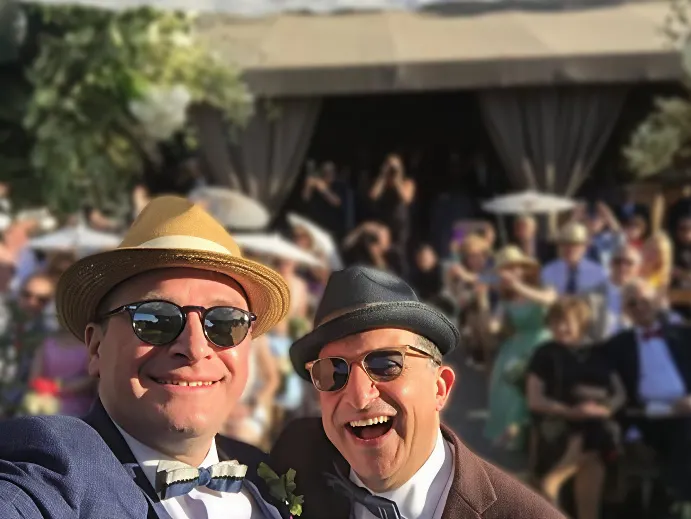
How he gives back: When I came to this company I was never in the closet. And I also realized around the world, there are people who are still dealing with very dangerous, awful things in countries that are very homophobic. So, being a part of Merck’s Rainbow Alliance, building its global presence and supporting LGBT people in situations that may not necessarily be as welcoming … that's really important. It's really important to be a role model. And you have to give back for the next generation because if you don't, no one else will.