Welcome to Biotech Spotlight, a series featuring companies creating breakthrough technologies and products. Today, we’re looking at ai3Bio, which recently came out of stealth to target autoimmune diseases through what it calls their root cause: malfunctioning T cells.
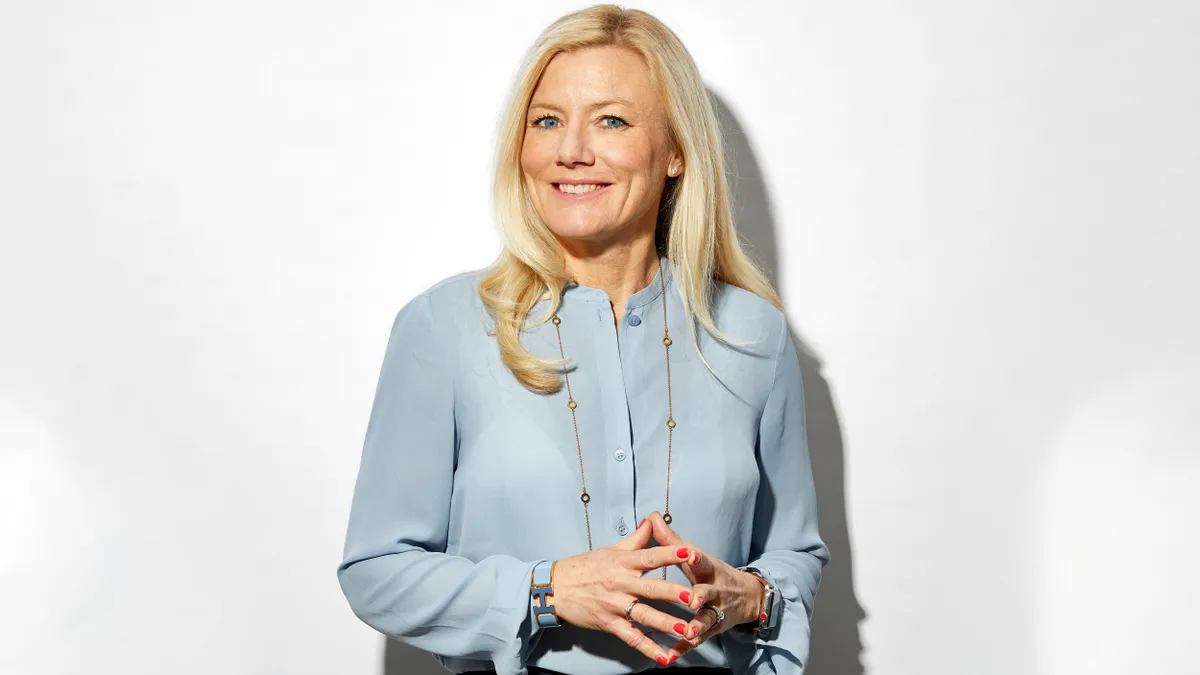
In focus with: Dr. Steven Altschuler, CEO and board director of ai3Bio, and Jonathan Kagan, its distinguished scientist.
Ai3Bio’s vision: Ai3Bio emerged from stealth in September with $48 million in series A funding and a distinct vision in the autoimmune space.
“We have really one endeavor, and that is to be the first company to target diseased T cells for elimination,” Kagan said.
Pathogenic T cells often drive autoimmune disease when they mistakenly mount an attack on healthy tissue instead of disease-causing bugs. Ai3Bio is working to selectively eliminate disease-driving T cells, with the aim of stopping illnesses at the source.
Why it matters: “Even though we've known for more than 30 years that T cells are the problem in autoimmunity; they're the cells that are producing all the factors that damage our tissues, we don't really have good approaches to eliminate these cells,” Kagan said.
The current crop of approved drugs is part of a market ai3Bio says has surpassed $130 billion. But that estimate paints an incomplete picture of what these treatments provide patients, according to Kagan.

“The problem is that as we learn more and more about how these drugs are performing, we realize that the best thing about them is that they're making money. They're not actually correcting the disease,” Kagan said.
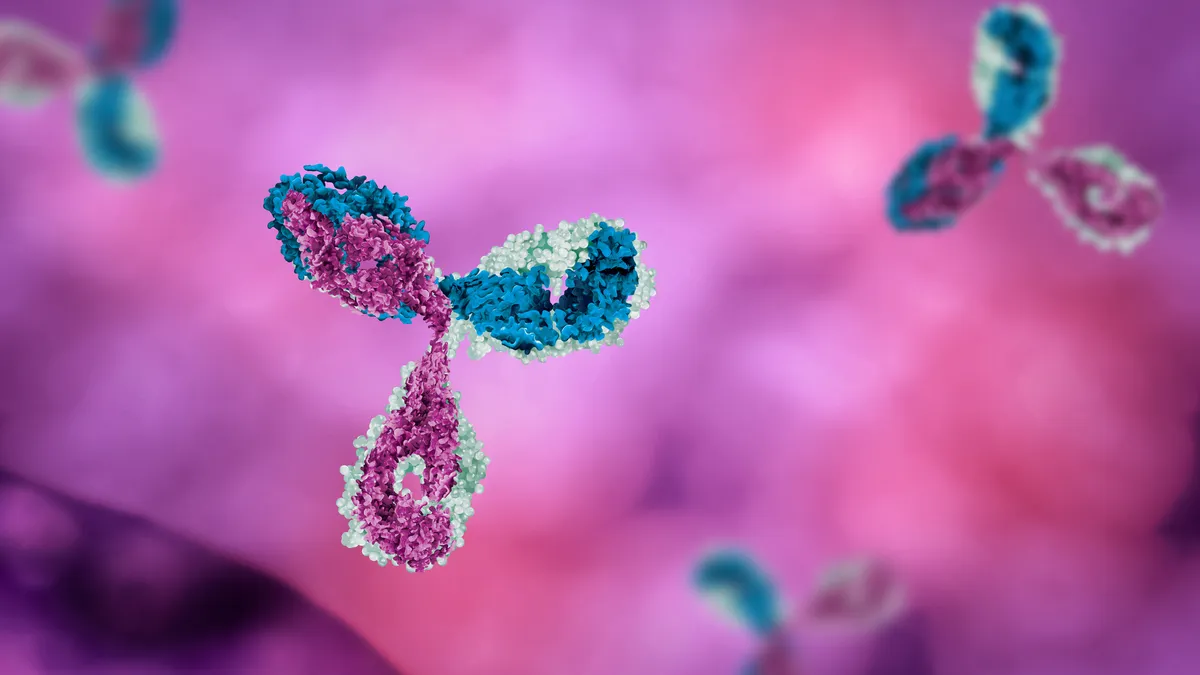
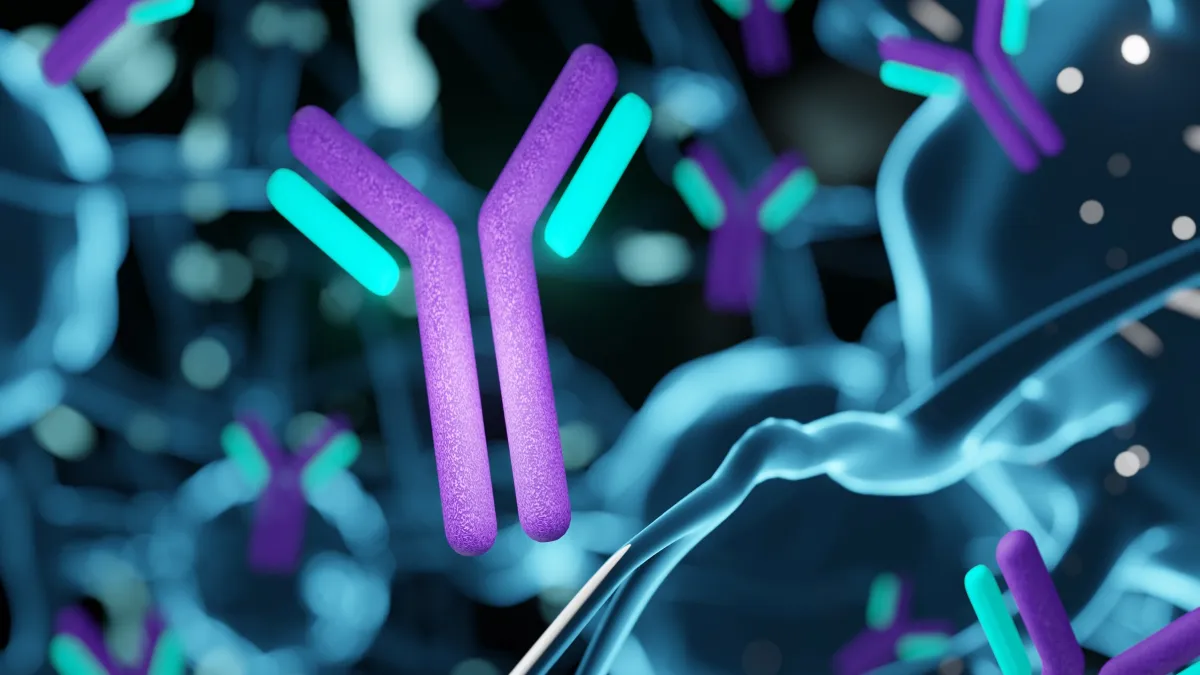
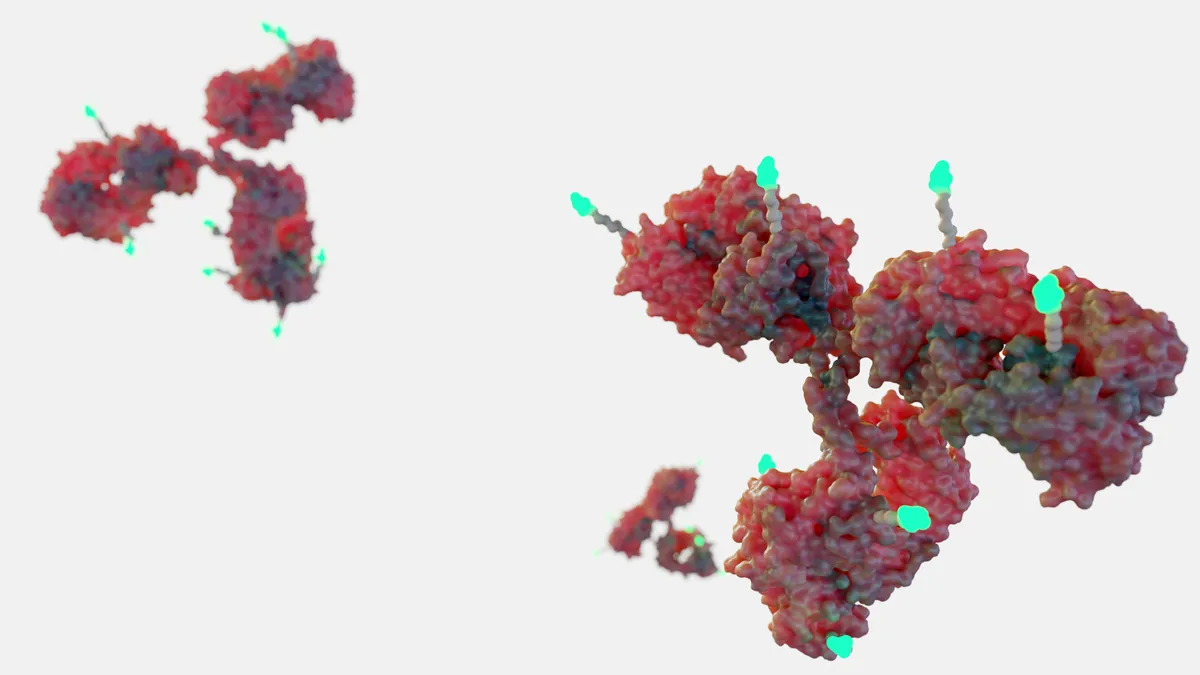
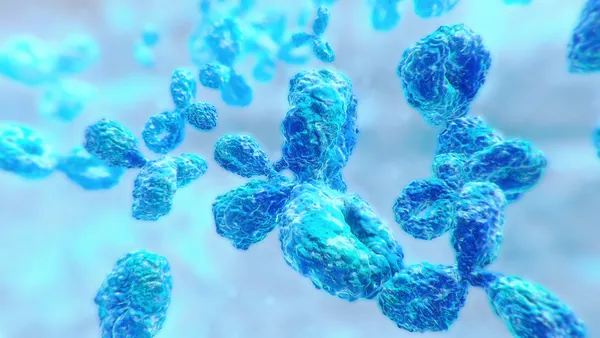
The company is pursuing two approaches, including T Deplete, a monoclonal antibody that aims to eliminate CD161+ inflammatory/pathogenic T cells while sparing healthy T cells that don’t drive autoimmunity, according to the company.
Its less advanced program, STARx or Selective T cell Apoptosis Therapy, uses a lipid nanoparticle to deliver mRNA payloads to inflammatory T cells with a focus on IL-17-producing Th17 cells.
The biotech will be up against competition in the autoimmune space, which has seen a flood of investment and growth in recent years. Companies such as AbbVie, Amgen, and Bristol Myers Squibb, for example, are exploring approaches using cell therapies and monoclonal antibodies. But many are targeting different immune cells called B cells rather than T cells.
Immunitas Therapeutics, meanwhile, is also developing a T cell-depleting autoimmune approach, and has presented preclinical data on its IMT-380, an anti-CD161 antibody candidate.
But there is still a lot of unmet need in the market and space for new strategies.
Today’s treatments for autoimmune conditions like Crohn's disease, colitis, psoriasis and rheumatoid arthritis are often designed to neutralize what Kagan said are T cell-generated cytokines, such as IL-17, which drive inflammation and tissue damage. ai3Bio wants to go deeper.
“The drugs that are out there today neutralize IL-17, but do not neutralize the cells that make IL-17,” he said. “So this approach would be equivalent to a police officer catching bullets after they were fired from a gun as a way of stopping crime, as opposed to taking the gun out of somebody's hand. The gun in this analogy is the T cell. The bullet is IL-17.”
Wiping out these diseased cells, the company hopes, will stop the disease, rather than managing the symptoms.
“The antibodies will be injected into the body, and bind to and cause the elimination of diseased T cells, inflammatory T cells,” Kagan said. “The lipid nanoparticle approach will do the same thing, except the LNP will deliver mRNA payloads into the diseased cells, forcing them to kill themselves. Either way, you are resulting in the elimination of the inflammatory cells that are causing us trouble.”
Here Altschuler expands on the startup’s R&D strategy and why AI was critical to its launch.
The interview has been edited for brevity and style.
PHARMAVOICE: What can you say about the disease targets you plan to go after and what kind of market opportunity they have?
DR. STEVEN ALTSCHULER: For the antibody, we're interested in basically the broad category of inflammatory arthritis, and we're interested in one particular form of inflammatory arthritis [that affects the spine] called ankylosing spondylitis.
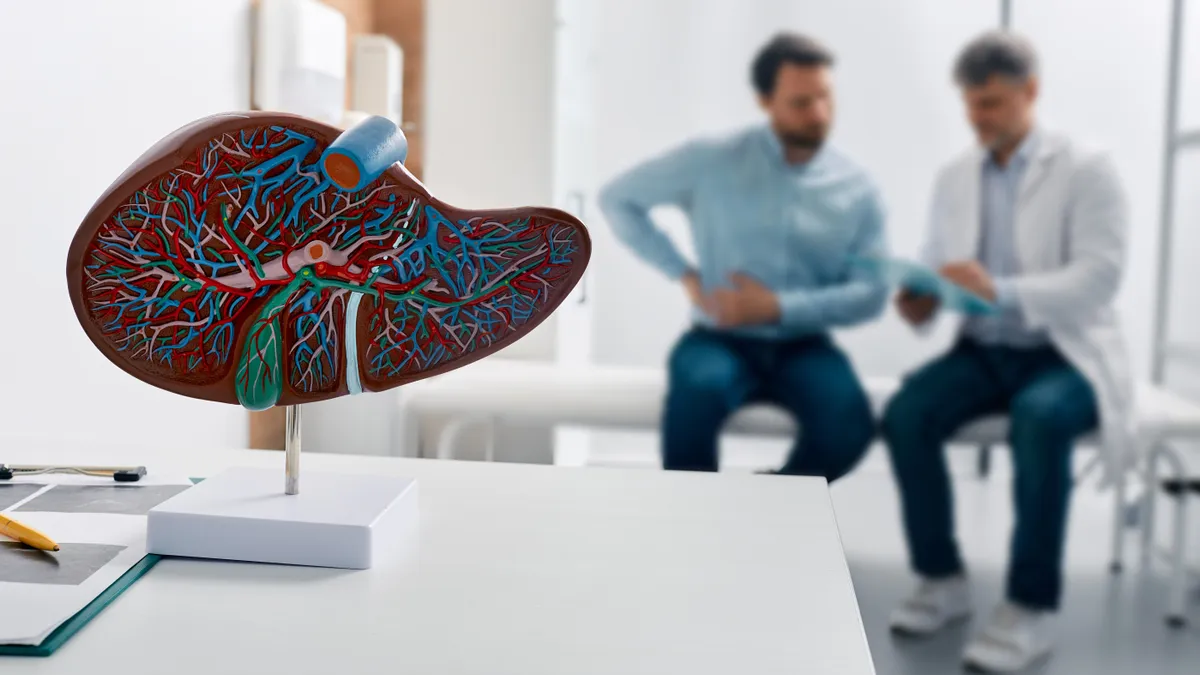
For the [STARx] approach, we think autoimmune liver disease is a very good target, and then that relates to some of the biological properties of the lipid nanoparticles, which have a propensity to go to the liver. We also know that the cells that we are interested in depleting are specifically causative in terms of autoimmune liver disease.

If you look at ankylosing spondylitis, it's a very large market, a multi-billion-dollar market. We believe there's actually a multi-billion-dollar market for the antibody just in ankylosing spondylitis alone. The total market there has been estimated at around $7 billion. Our focus will be on the most severe patients who don't respond to current therapy.
In terms of autoimmune liver diseases, it's also a multi-billion-dollar market. There are really no specific therapies available. I'm a gastroenterologist and have treated these patients for many years, and most patients just get non-specific immunosuppression like steroids. So this would be a real boon for this patient population.
What are the next milestones for the company?
We started the company in June 2026. We raised money to support its startup, and we're now going out again to investors and talking with Big Pharma about further support.
[With] our antibody approach, we're now just beginning our IND-enabling studies … to get us an IND in place by the end of the third quarter of 2027, and start first-in-human trials in the fourth quarter of 2027.
“The gun in this analogy is the T cell. The bullet is IL-17.”

Jonathan Kagan
Distinguished scientist, ai3Bio
The second platform is a little bit behind, but may be more versatile ultimately in terms of a next-generation approach. In that program, we're now finalizing all our preclinical work using the standard models of non-human primates and specialized mice. So we expect those to be completed sometime in the next three to four months.
What else sets your approach apart from other drug developers?
The technology we're employing to go after these diseases in a different way is actually much more straightforward and far simpler from a technology standpoint than what's been currently used. Our LNP approach, for example, is far simpler than the LNP approach for generating CAR-T cells.
The antibody approach is really a tried-and-true technology platform that we've been able to apply to this, in effect, brand-new marker of disease cells.
Where does AI fit in with your development process?
We use AI throughout the organization to manage daily work within the company. But also, in the case of some of our initial indications, we use AI to identify the specific marker on the T cell that we want to go after. Using AI and applying it to actual human tissues, we were able to determine the common marker on Th17 cells that generate the problematic cytokine IL-17. AI, I would say, was the critical factor in actually starting us off on this journey to develop new technology for depleting T cells.