Welcome to Biotech Spotlight, a series featuring companies creating breakthrough technologies and products. Today, we’re looking at Deep Origin, which combines physics with AI to optimize drug discovery.
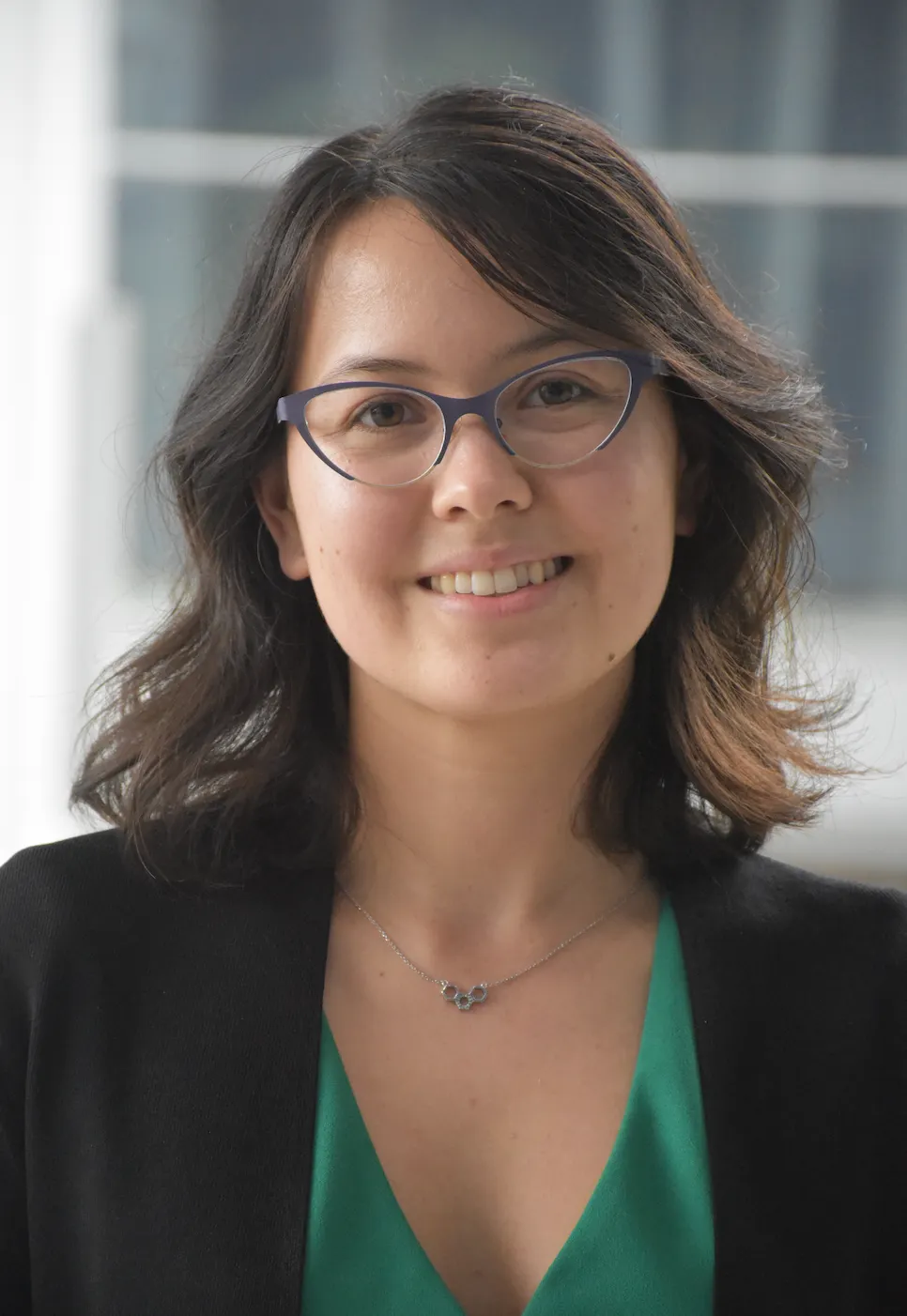
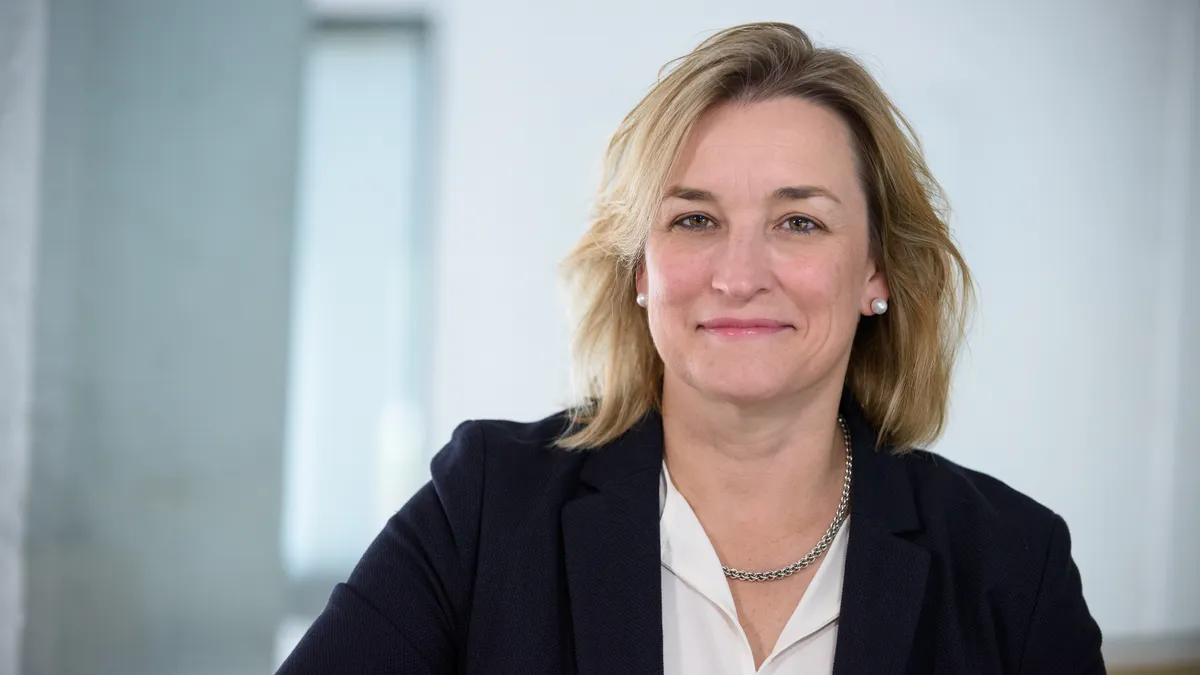
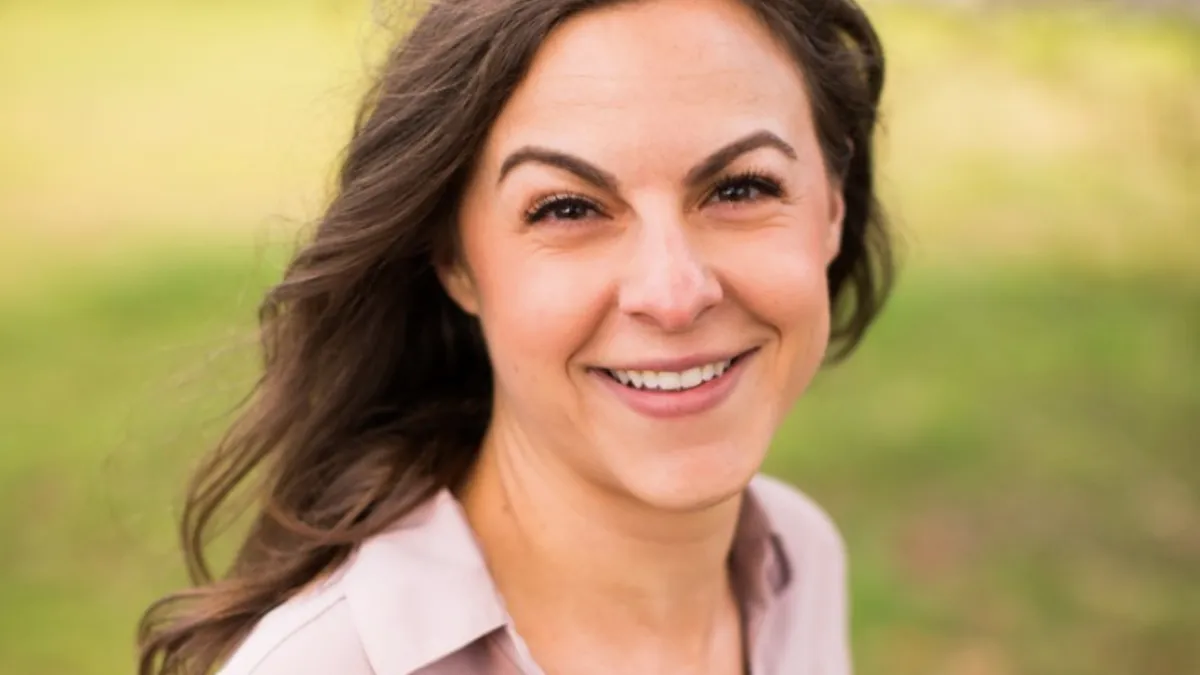
In focus with: Natalie Ma, chief business officer and co-founder at Deep Origin
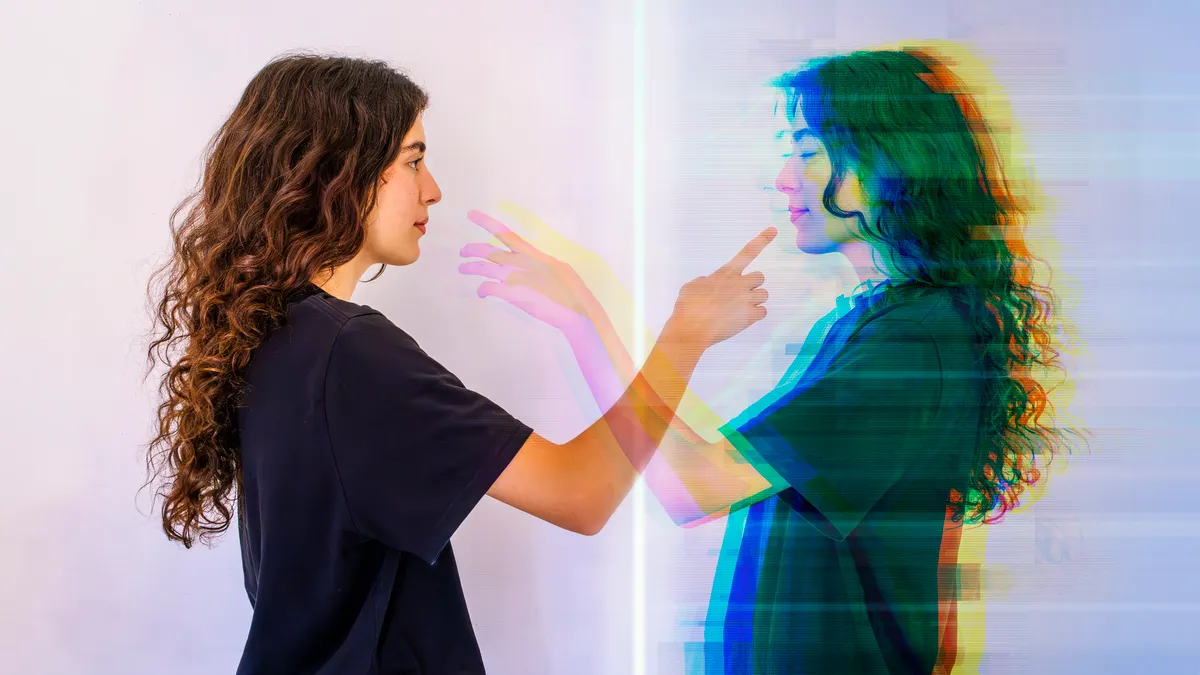
Deep Origin’s vision: What if “virtual humans” and in silico trials could become stand-ins for real humans in clinical trials?
That’s the long-term vision of Deep Origin, a computational drug discovery company that combines molecular physics with AI to create predictive models for clinical trials.
Rather than failing faster, “the idea is to stop doing experiments that will fail,” said Ma.
“What we're after is the quality of the prediction itself. That’s the predictivity crisis, a systematic gap between what works in preclinical models and what happens in the clinic,” she said.
In addition to advancing its drug discovery platform with a variety of partners and working to better predict drug safety, Deep Origin is also simulating human biological systems at the cellular and organ levels to eventually build a complete “virtual human.”
But it’s a long, step-by-step journey to chase that larger goal. In the meantime, Deep Origin is tackling more bite-sized industry challenges.
“We don’t position our immediate work as ‘replacing’ clinical trials,” she said. “Right now, it’s about reducing late safety failures and animal use, and giving programs more confidence going into the clinic.”
Deep Origin received a $31.7 million contract from the Advanced Research Projects Agency for Health’s Catalyst program to replace animal testing with an FDA-qualifiable in silico prediction platform that will test how a medicine moves through and affects the human body.
Ma said it will bring its first organ models online later this year or early next year.
“The goal is to produce more accurate, human-relevant safety predictions before a molecule advances, bringing organ-level models online, tracing predicted drug-induced liver injury or tox signals back to specific off-target interactions and using those insights to redesign or de-prioritize risky compounds,” Ma said.
Why it matters: Drug developers are “consummate gamblers,” Ma said. They face a 90% clinical failure rate and still knowingly embark on a decade-plus, multimillion dollar odyssey to bring drugs to market.
Drug developers are burdened by other limitations, too, from relying on animal testing to navigating ultra-rare disease states with so few patients that traditional clinical trials are tough to pull off.
But Ma envisions a world where “we get predictive enough, you [can] run an in silico clinical trial, and clinical trials are a formality.”
“You can parameterize virtual humans for different genetic backgrounds and comorbidities, and over time that could inform in silico clinical trial concepts. In its final form, researchers will be able to add a small molecule structure and a dose to the virtual human and see the outcomes across organs,” she said. “But that’s a long regulatory horizon, gated by validation and dialogue with the FDA.”
Here, Ma expands on the company’s vision.
The interview has been lightly edited for brevity and style.
PHARMAVOICE: How are your partners currently using the platform?
NATALIE MA: We work with partners in three ways: discovery partnerships that put our systems and scientists against a partner's hardest programs; direct SaaS access to the platform and co-development of Deep Origin-originated programs. In practice, partners use our platform across the preclinical pipeline, from prioritizing targets by efficacy and toxicity risk, designing and filtering molecules in hit discovery, to prioritizing leads in optimization. We haven't done a rescue of a program after a toxicity signal or patient population segmentation, but we think our models could be adapted to these as well.
Because most collaborations are confidential, we talk about the workflows and the impact rather than specific deal structures. A lot of the value comes from being able to increase success rate in the lab while still finding high-quality hits and then layering safety predictions on top, so what moves forward has a much better chance of working in humans, not just in animals.
We also see tremendous, bidirectional value in working directly with partner team scientists: they bring specific incredible knowledge, while we work to impart and educate on AI methods. It's incredibly important each team knows how to use, weigh and integrate the evidence or recommendations from our models, because despite anyone's claims, no model is correct 100% of the time, particularly because there is often context only the researchers know.
Would each “virtual human” be an individual unique from each other?
That’s the framework that underpins the “virtual human” work. We can run models on a part (a single type of cell or one organ), using parameters that are an average of a population, or as specific as a single individual. While we are focused currently on preclinical stage work, we have actually discussed with some clinicians and industry the creation of individualized models for patients to predict response to treatments. There's been a lot of interest!
I want to note some distinction here with “digital twin," which usually connotes a “statistical average” of patient parameters to represent a patient. Those models are generally built on population statistics. In contrast, the virtual human is a system of interconnected models, modeling human biology across multiple organ systems, within which there are models of multiple cell types, within which there are models of gene, protein, macromolecule and small molecule interactions. There are representations of biology across scales to capture the nuance of individuals.
Is this idea of a “virtual human” being pursued by other companies/research institutions? How is yours different or similar?
To some extent yes, though less than I would expect, in part due to the large number of discrete disciplines the work spans.
From a perspective of reducing animal use and using new approach methodologies that are more human relevant, there are many in industry, academia and nonprofits pursuing this. This is wonderful for drug development because it means we can mature multiple human-relevant models at once to inform which molecules will succeed as drugs. It also works well for us as model builders, as they provide yet another source of data to create increasingly predictive models.
Computationally, the field is counterintuitively sparser, with much of it focused on building property-specific machine learning predictors (which tend to fail beyond their training data and don't get you mechanistic explainability) or foundational models of chemistry/biology (very black-box and limited in explainability) or in building models at one scale of biology (a virtual cell, which begs the question of what cell type and limits the questions you can ask of the system, or just focusing on docking, which is good but incomplete — a binder does not a drug make).
We tie models together across scales — from quantum mechanical interactions and docking, through protein dynamics and cell‑state changes, up to organ‑level exposure and whole‑body physiology — so safety questions can be traced back to concrete mechanisms.
And because our models are grounded in physics, every prediction comes with an explanation a scientist can inspect and test, which is crucial for partners and regulators who have to act on the outputs of our work.