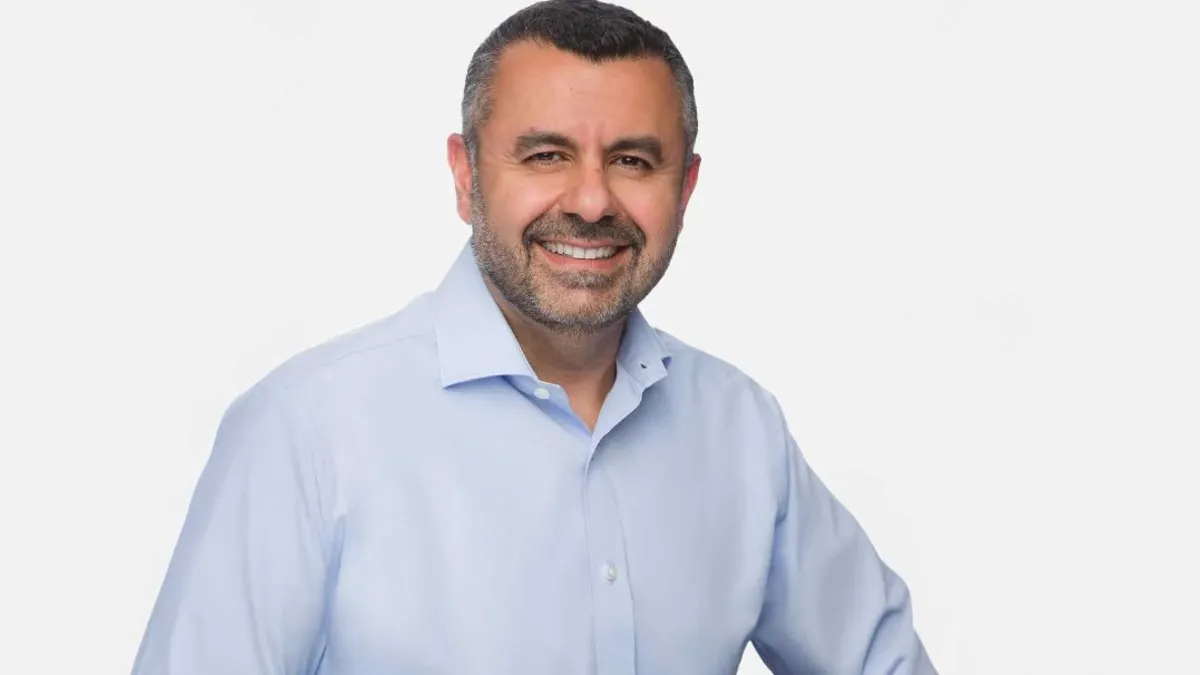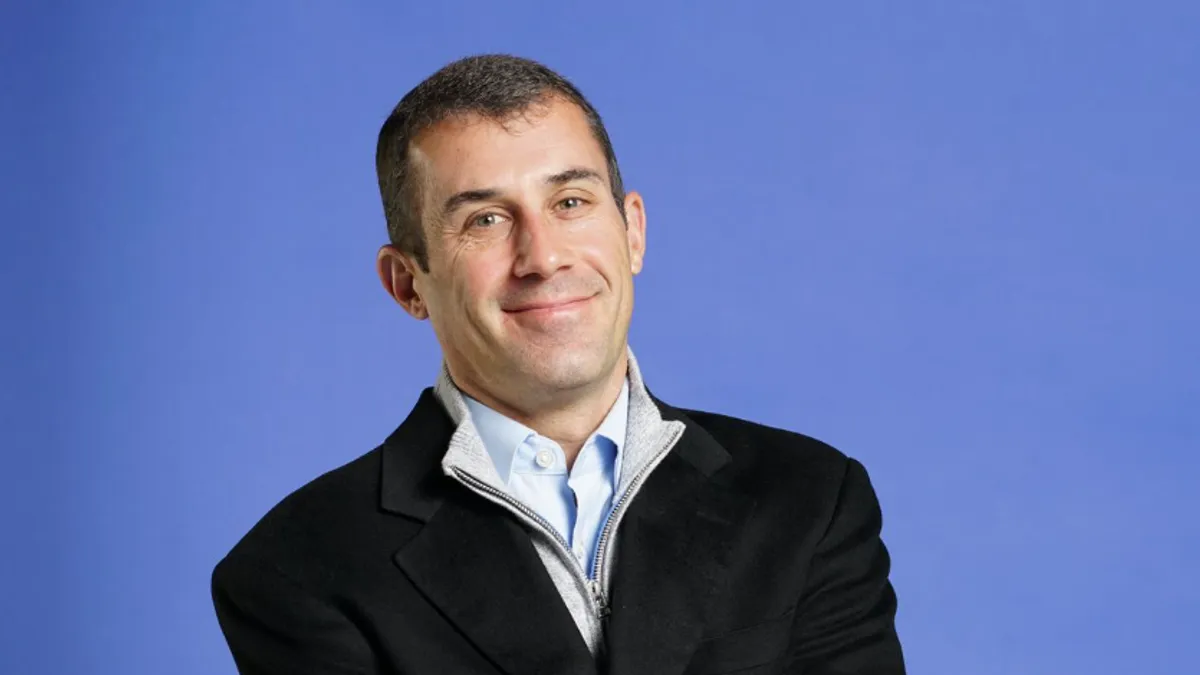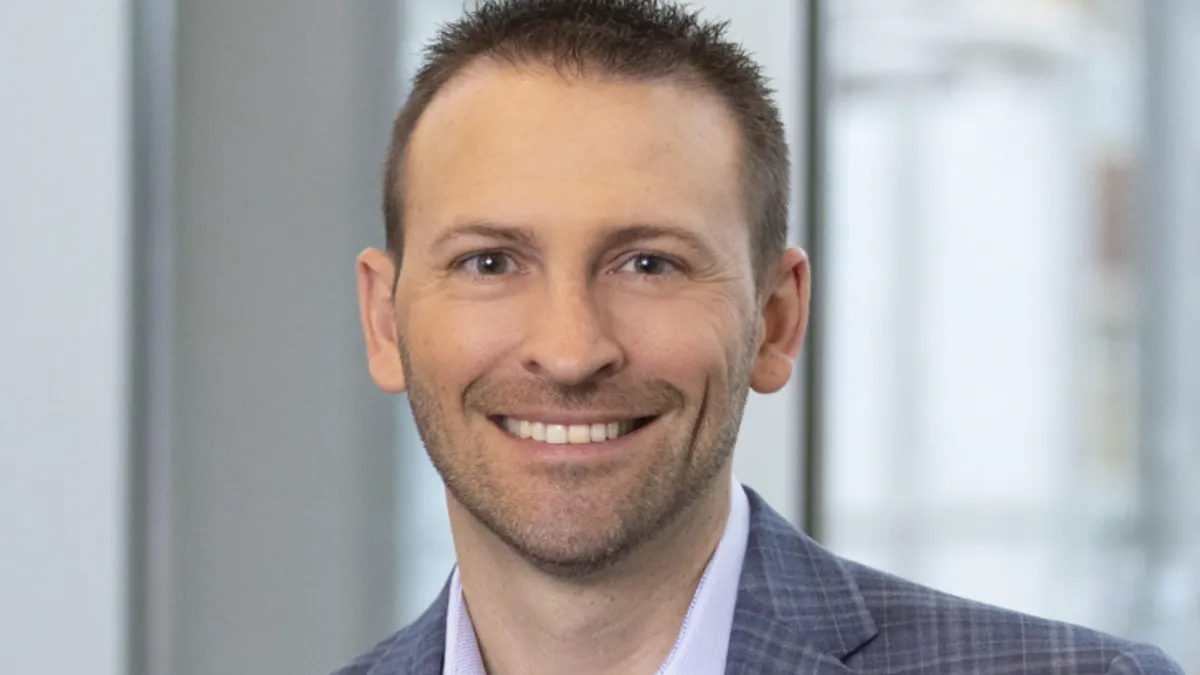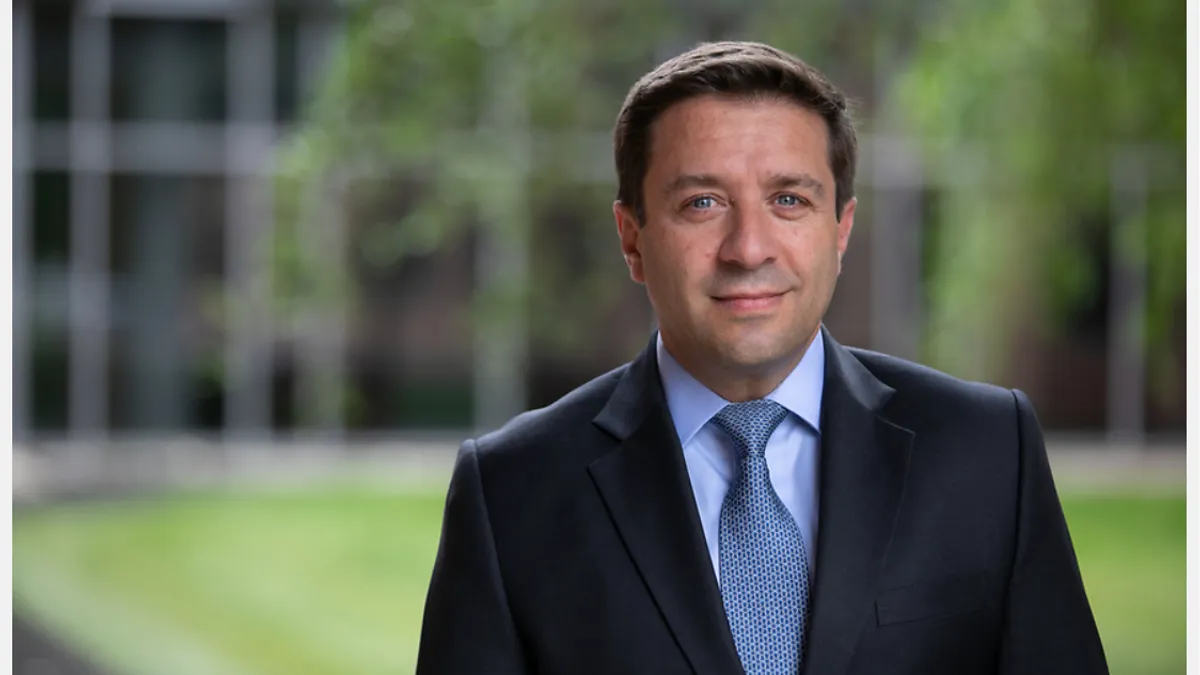
Welcome to First 90 Days, a series dedicated to examining how pharma executives are planning for success in their new roles. Today, we’re speaking to Jorge Bartolome, who stepped into the top spot at Rivus Pharmaceuticals to help the biotech move its MASH asset into late-stage development while creating a wider cardio metabolic portfolio.
Rivus Pharmaceuticals has spent the better part of seven years as a single-asset, science-focused biotech. Now the company is entering its next era and has tapped a new CEO to lead the way.
“We're now transitioning from a research-heavy biotech to a biotech that's moving into late-stage development and pre-commercialization in a very exciting therapeutic area where there's very limited therapeutic options and where we potentially have a best-in-class transformative oral therapy,” said Rivus’ CEO Jorge Bartolome.
Its lead asset, HU6, is being developed to treat the chronic liver disease MASH, an underdiagnosed condition that currently affects an estimated 5.8% of U.S. adults, with rates expected to rise in the coming years. The company dosed the first patients in its Amplify phase 2 trial in April.
Despite MASH’s prevalence, the condition has only two FDA-approved treatments: Madrigal Pharmaceuticals’ Rezdiffra and Novo Nordisk’s blockbuster GLP-1, Wegovy.
Those drugs might not be alone on the market for long, though. Pharma’s MASH pipeline is red hot and includes promising candidates like Inventiva’s lanifibranor, which is expected to deliver a phase 3 readout later this year. Large pharmas like GSK and Roche have also made high-profile acquisitions in the space.
“You've seen Madrigal already achieving a run rate [with Rezdiffra] of close to $1.5 billion in revenue after just a year and a half on the market,” Bartolome noted.
Rivus is also advancing its second candidate toward clinical trials. The oral GLP-1 distinguishes itself by targeting fat and preserving muscle, which has been a challenge in the drug class thus far.
“We're on path to build a truly differentiated cardio metabolic portfolio,” Bartolome said.
Bartolome’s decades-long pharma and biotech career includes more than 20 years at GSK, as well as stints at Johnson & Johnson’s Janssen Pharmaceuticals. Most recently, Bartolome served as CEO of Areteia Therapeutics, which shuttered in late 2025.
“I have had the opportunity to work on pretty significant medicines that changed the standard of care,” Bartolome said. “As an example, at GSK, I led the respiratory business unit and launched inhaled therapeutics that changed the course of asthma and COPD.”
Now, Bartolome is drawing on that experience to guide Rivus’ evolution.
Here, he explains how Rivus’ assets are differentiated and how he’s preparing the company for its next era.
This interview has been edited for brevity and style.
PHARMAVOICE: How will HU6 stand out from the crowd in the MASH arena?
JORGE BARTOLOME: We think it has the potential to have a best-in-class profile for patients with MASH.
What we see based on phase 2 studies is a profile of an oral therapy that significantly reduces liver fat. There's a threshold of about a 30% liver fat reduction when you start to see reduction in fibrosis and improvement in MASH, and we’ve hit those thresholds [in] all of the doses we've studied. And we've seen high responder rates up to [above] 70%.
We are very encouraged by the overall profile of HU6 because not only does it reduce liver fat, which translates directly to improvements in fibrosis and resolution of MASH, but because of its effect around reduction in overall fat, you also see systemic weight loss that is fat centric in an oral and well-tolerated small molecule.
If you look at the competitive landscape, the first therapy to enter the [MASH] space was Rezdiffra, which targets THR-β. We expect with our oral therapy that we will have liver fat reductions that are equal to or greater than Rezdiffra. And we've also seen systemic weight loss that you don't see with Rezdiffra in a very well-tolerated oral small molecule.
How are you preparing the company to handle late-stage development and pre-commercialization?
The phase 2 studies are all U.S.-centric. They are in smaller populations of patients with MASH. The phase 3 program for HU6 will be a global study in patients with MASH in 20-plus countries, 1,000-plus subjects. And so my experience working both in the biotech space as well as in large pharma in advancing programs through late-stage clinical development, particularly large global programs, will be really important to help support the progression of HU6. I had the wonderful experience of working in late-stage development and global programs in respiratory and cardiometabolic diseases at Johnson and Johnson.
It’s really important as we build capability to support that late-stage development [and] to make sure that we've got all of the capabilities in the organization to support a global phase 3 program and the regulatory submission [process] in the U.S. and globally.
You’re advancing your second asset, RV-8451, into an already crowded GLP-1 space. Why do you think it could still succeed?
We've built on the knowledge that's come from the HU6 program in MASH to build a GLP-1 that has a very unique profile versus every other GLP-1 in development.
We've looked at addressing the challenges of GLP-1 therapies. If you look at GLP-1s today, they're very successful at reducing caloric intake, which leads to rapid weight loss. Because you're reducing the caloric intake, your body starts to adapt its metabolic rate. And so you see metabolic adaptation and the metabolic rate reduces. The weight loss plateaus. If you stop taking therapies, either for GI tolerability or cost, you see a rebound immediately in that weight because your metabolic rate has adapted to the lower caloric intake.
The other challenge with the current slate of commercialized and GLP-1s in development is that about 60% of the weight loss is fat, but about 40% of that weight loss is lean muscle mass. That's very challenging, particularly for patients with obesity and comorbid conditions like heart failure, MASH and diabetes. The last thing you want to do with a patient with heart failure is to lose muscle mass.
We are developing the first [oral small molecule] GLP-1 that will achieve similar weight loss to that seen with current GLP-1s, but where you will not see metabolic adaptation. It will be lean muscle mass sparing, [and] maintain and increase your body's natural metabolic rate, increasing energy expenditure.
How do you balance excitement for the possibilities with the pressure to deliver?
My approach has always been to focus on the patient and the mission. I think that's quite helpful because it aligns everybody in an organization around the truly important value that we could deliver through the progression of our programs. Being in the biotech space takes a lot of fortitude. This is highly capital intensive. Clinical development has a high level of risk.
When you think about MASH patients, it ensures that everybody in the organization can block out external pressures because everybody knows what we potentially are delivering could be game-changing.