Eli Lilly is notching the most sales in the pharma industry, and is positioned to widen its lead over other Big Pharmas as it rides the wave of its GLP-1 obesity and diabetes drugs.
But the company is also making moves to maintain that top spot through an aggressive investment strategy to grow its drug portfolio, which could ultimately result in annual sales of $137 billion by 2032, according to a recent Evaluate report.
And Lilly hasn’t been afraid to maintain a foothold in areas some competitors have abandoned, including neuroscience and Alzheimer’s disease.
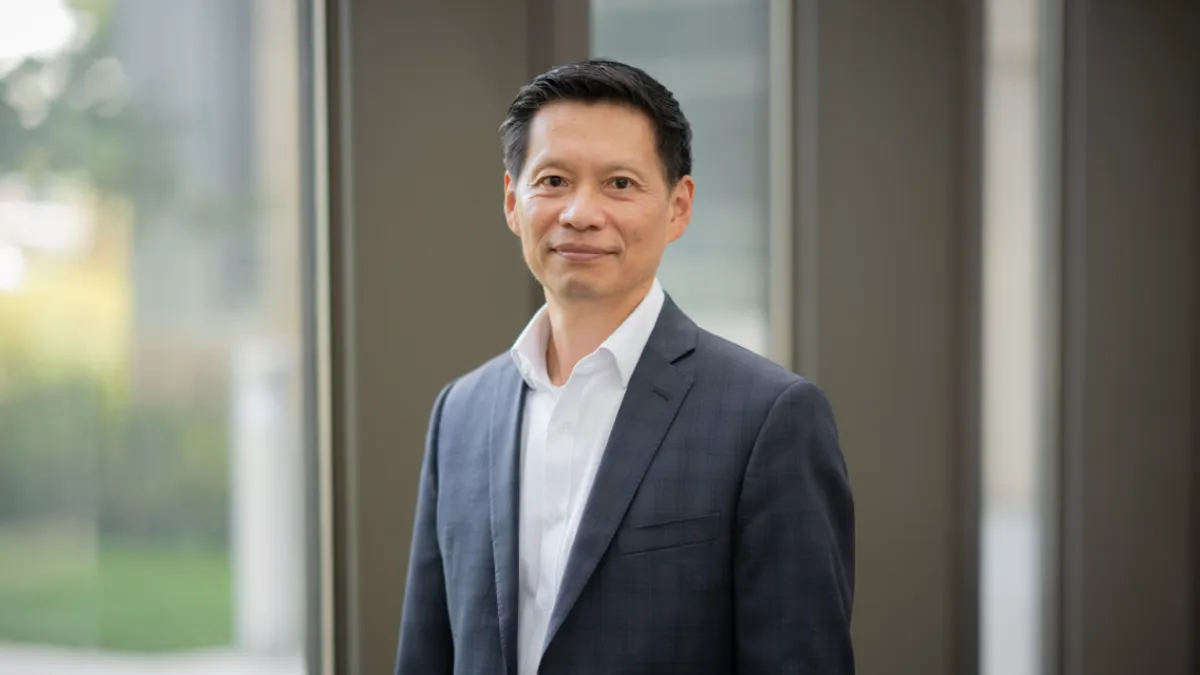
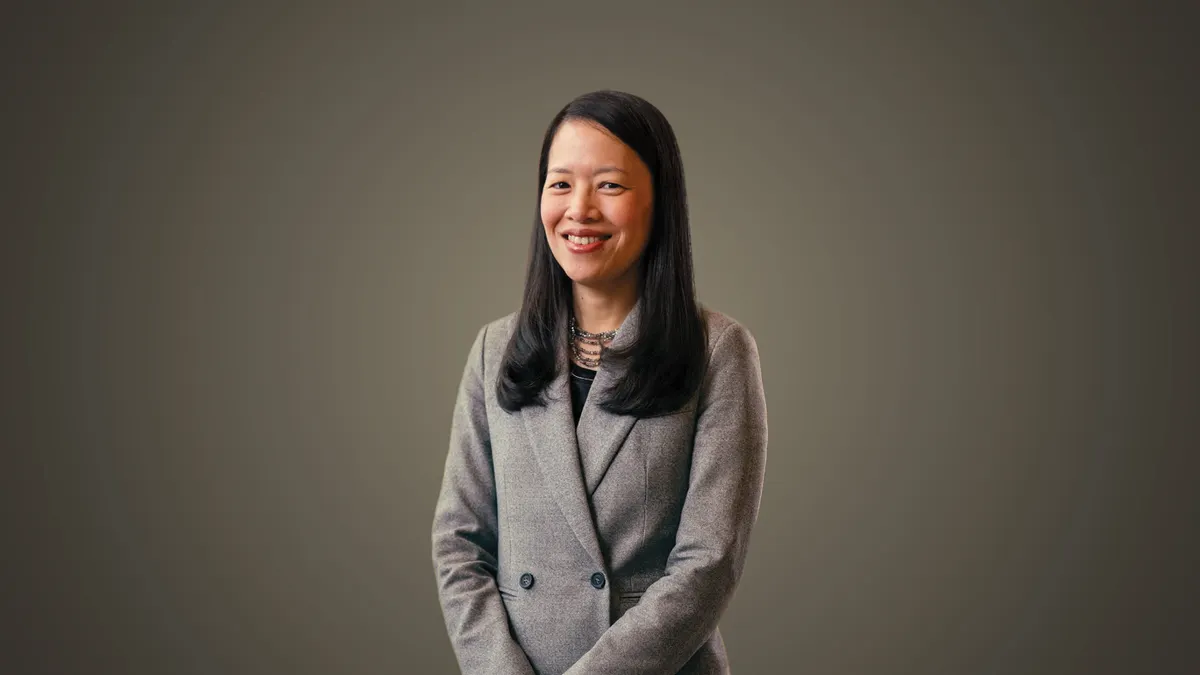
Dr. Carole Ho joined Lilly late last year as the company’s new president of neuroscience, bringing two decades of experience at both small startups and larger organizations, including at Genentech and Denali Therapeutics. Through its broad approach to brain science, Lilly is aiming to become a leader in the space.
“Lilly [has a] tremendous opportunity … to change neuroscience and brain health,” Ho said.
Lilly’s cornerstone program is anchored by its amyloid-targeting drug Kisunla, which gained FDA approval in 2024. The company is now working to get the drug to patients earlier, where it appears to hold the most disease-modifying promise, while also exploring new drugs and dosing regimens that could make treatment easier for patients.
But that’s just the start of what it’s hoping to accomplish in brain science.
The company is exploring the potential of the GLP-1/GIP approach beyond weight loss with its investigational drug, brenipatide, now in phase 3 for alcohol-use disorder and major depression, and phase 2 in a handful of other psychiatric conditions.
Lilly Neuroscience is also targeting sleep disorders and non-opioid approaches to chronic pain, Ho said.
Dealmaking also remains the backbone of Lilly’s expansions into new therapeutic areas, including a recent deal with CNS-focused Centessa Pharmaceuticals, which gave the company a pathway into treatment for rare sleep disorders such as narcolepsy and idiopathic hypersomnia. Ho expects that focus on M&A to continue.
In the meantime, Lilly is still chasing new breakthroughs in Alzheimer’s. Here, Ho explains where the company’s Alzheimer’s program is headed next.
This interview has been edited for brevity and style.
PHARMAVOICE: What are the company’s goals in the Alzheimer’s space?
DR. CAROLE HO: Our big goal in Alzheimer's disease is to prevent the disease, the memory loss and the thinking changes. As you know, we have an approved drug, Kisunla, for early symptomatic Alzheimer's disease. We’re very excited about that data, given it is one of two approved therapeutics targeting the biology of the disease.
But now we also have long-term data that extends the 18-month data from the primary endpoint in the pivotal trial. There are three years of data where we're continuing to see benefits in individuals treated with Kisunla who are being followed on the long-term extension. That data is the proof of concept that removing amyloid can have an impact on patients with symptomatic disease. When we've looked at subsets of that data, we found that the patients that were earlier in the disease course did better and had a greater impact in slowing progression.
About four and a half years ago, the company designed a very innovative clinical trial that identified individuals who had normal cognition but already had biomarker evidence of disease. And what's really exciting about that study is it used P-tau217, which is a blood test that detects Alzheimer's pathology.
We identified these individuals with the blood test, and they have been treated for nine months, and then they're followed to see whether they progress to have symptoms. That study will probably read out in the next year, and that would be the first proof-of-concept study in the field and if it's positive it would demonstrate that we can prevent the progression of this disease and prevent the onset of symptoms in individuals with biomarker evidence.
Despite the approval of amyloid-targeting therapies, debate continues over whether amyloid is the best therapeutic target for Alzheimer’s disease. How do you view this issue?
We are focused on [amyloid] because it works, and there's an opportunity to move earlier in disease where we feel the benefit/risk will even improve. Earlier in the disease you have better efficacy, and you're less likely to have safety-related side effects, like ARIA, amyloid-related imaging abnormalities. That's because you have less amyloid burden in the brain.
That initial [amyloid] removal is usually where we see side effects, which are actually fairly infrequent. There's emerging data showing that in real-world studies, the ARIA rate is lower than what was seen in clinical trials. So we're still very committed to this pathway, again, moving toward prevention.
Where is Lilly looking to go from here with its Alzheimer's programs?
Tau is the next Alzheimer’s target that we are very interested in, and we have programs targeting tau with the siRNA method in early development. We're looking forward to continuing to develop that and to look at opportunities to combine that with amyloid-targeting therapy to increase the benefit to patients.
In addition to our lead program, Kisunla, we have an earlier asset that is also in a pivotal trial right now, remternetug, which is a subcutaneous [anti-amyloid] formulation. This could enable more convenient dosing, potentially at-home dosing, which will be important for patients.
We are also looking at other mechanisms that we know contribute to dementia progression, which include comorbid conditions, for example, Parkinson's disease or accumulation of alpha-synuclein. We know that these comorbid pathologies can not only cause diseases on their own, but also impact the treatment response to anti-amyloid targeting therapeutics.
Another area that we have really been very focused on is understanding how long patients need to be treated with these amyloid-targeting therapies. Unique to Kisunla is its treat-to-clear paradigm. Once patients have cleared the amyloid from their brain, we have demonstrated that the amyloid reduction is persistent over time, and the clinical benefit improves over time, even though they're no longer on the medication.
About half of patients clear amyloid within a year, and more than 70% clear amyloid by 18 months. After that, patients are no longer coming into the clinic, so they can go about their daily lives.