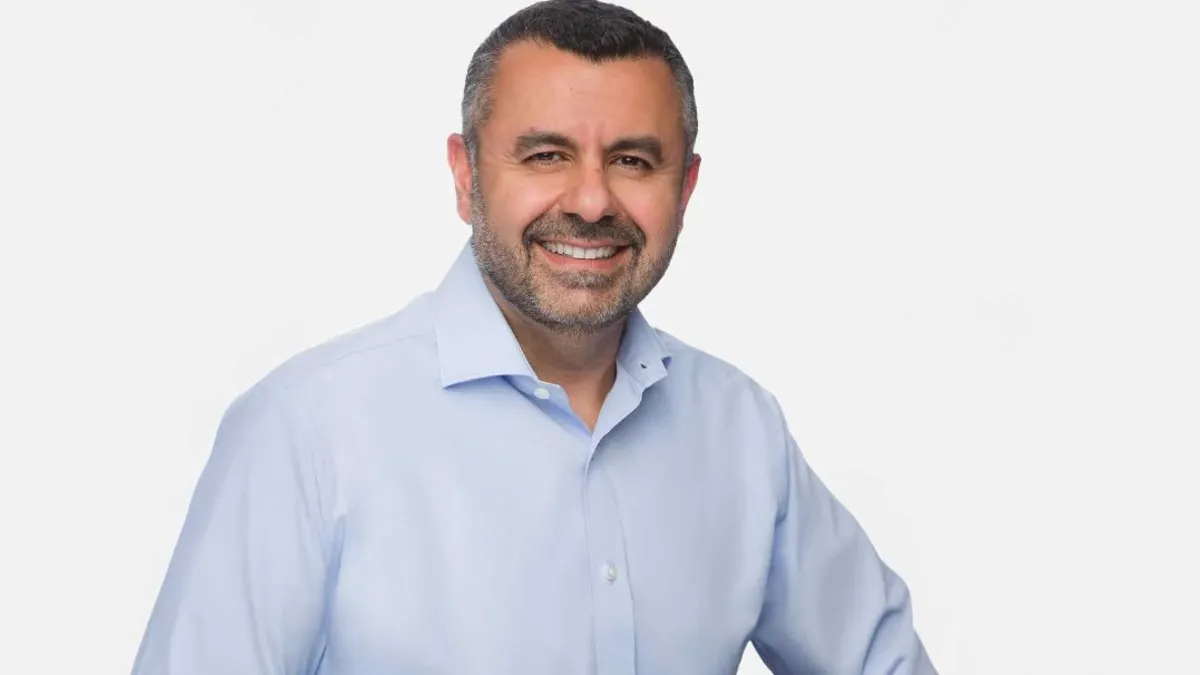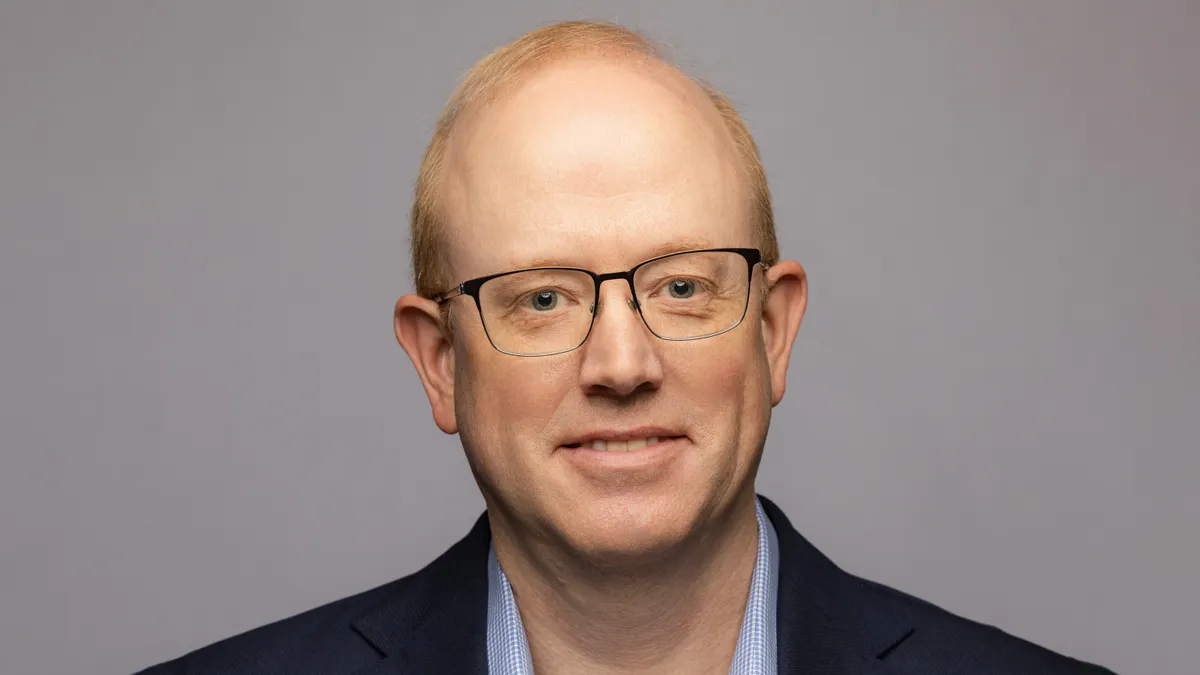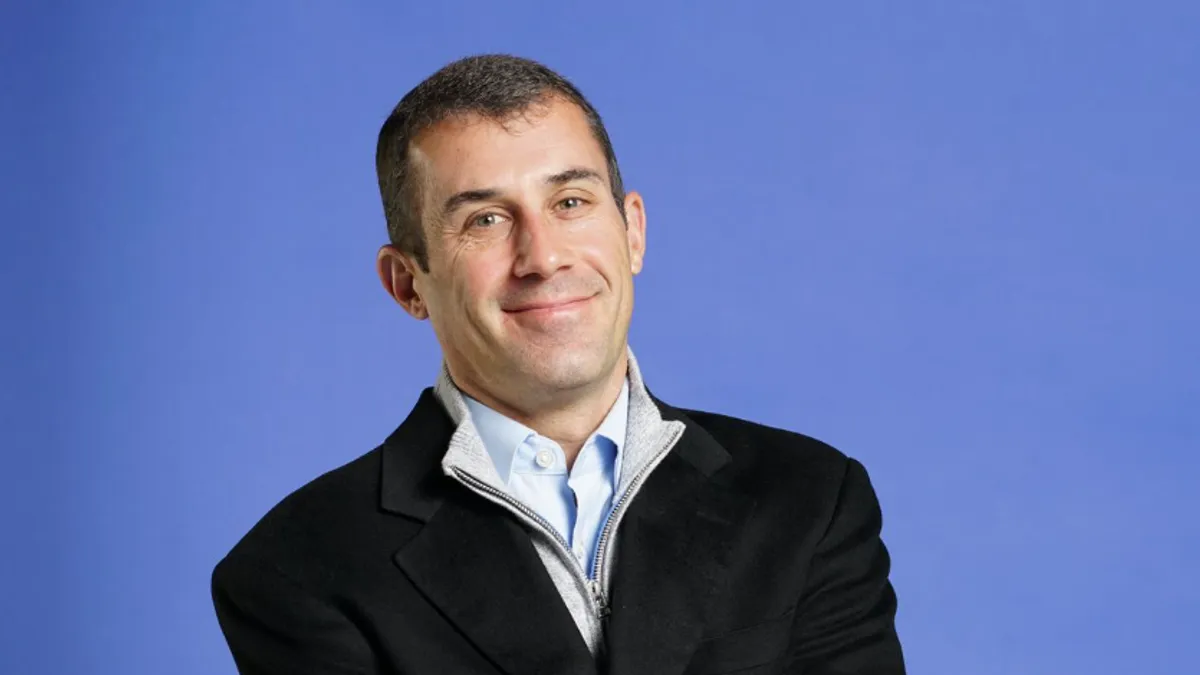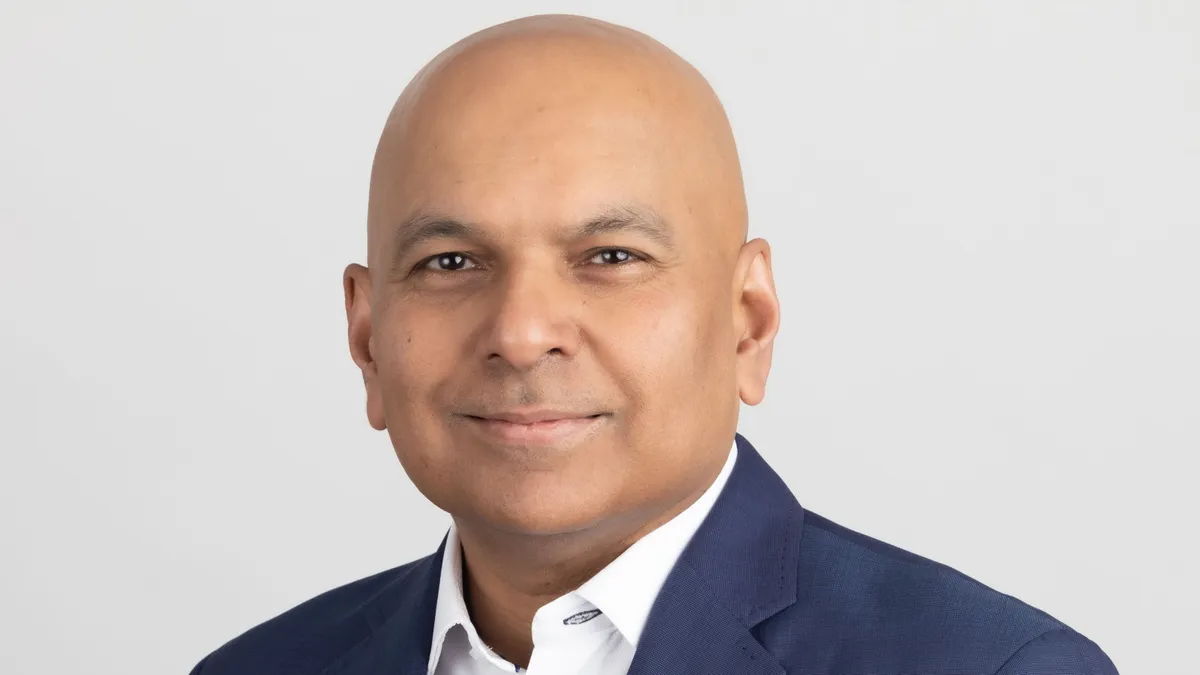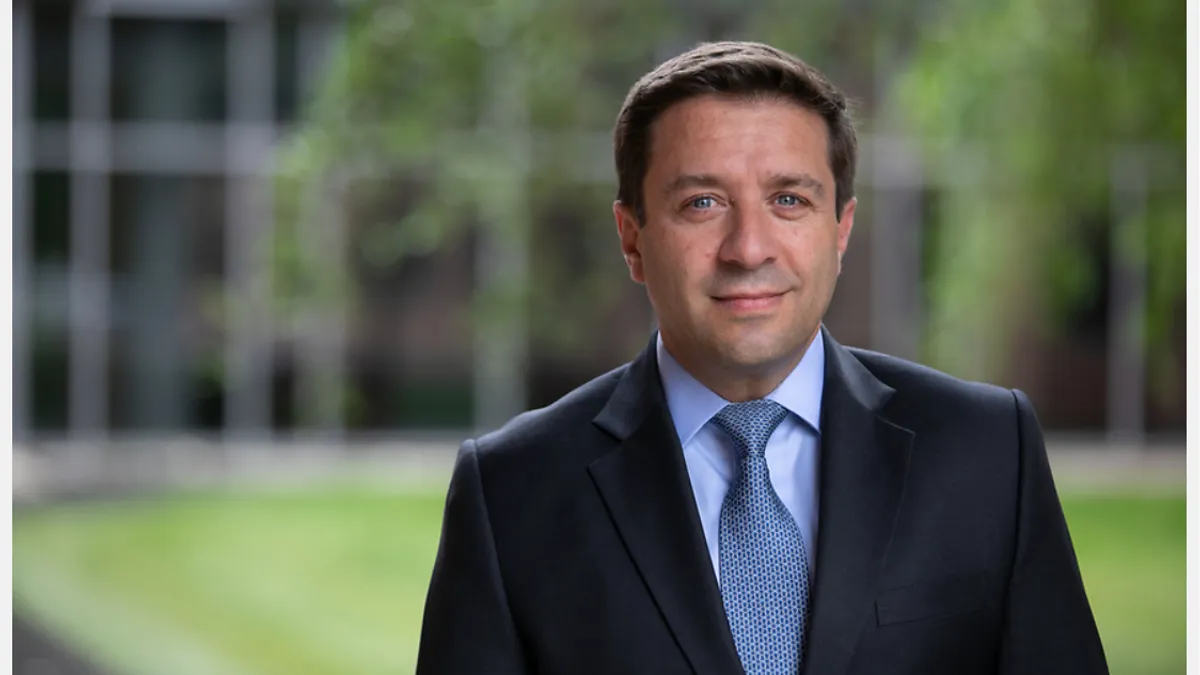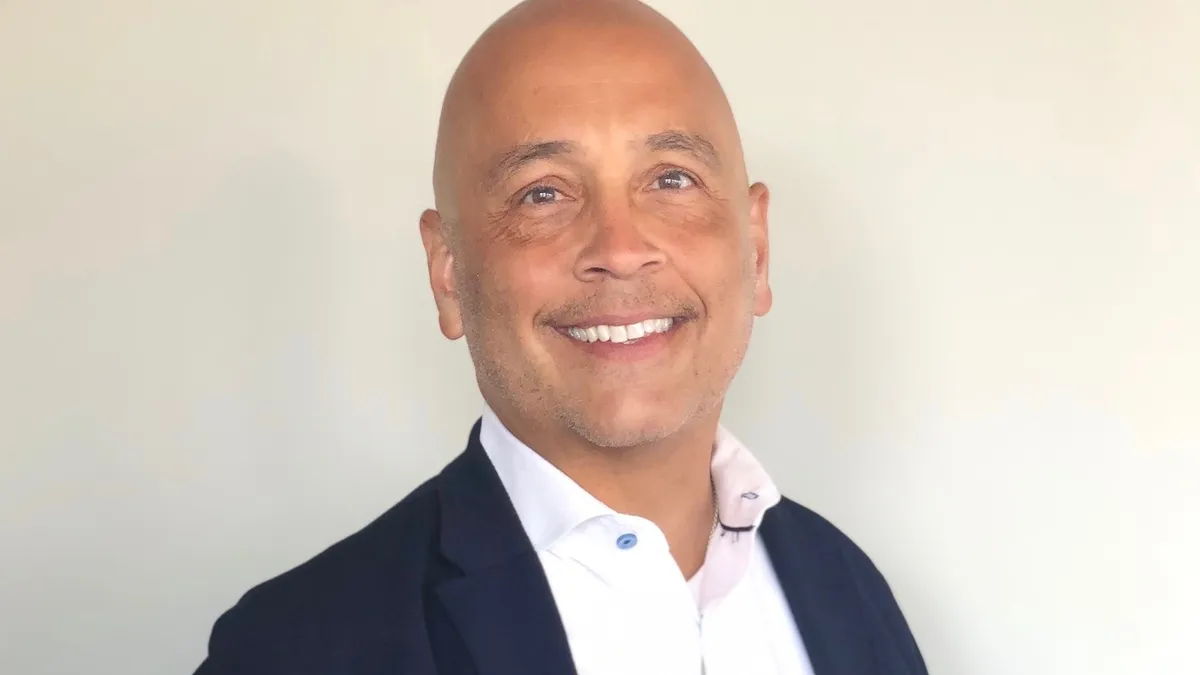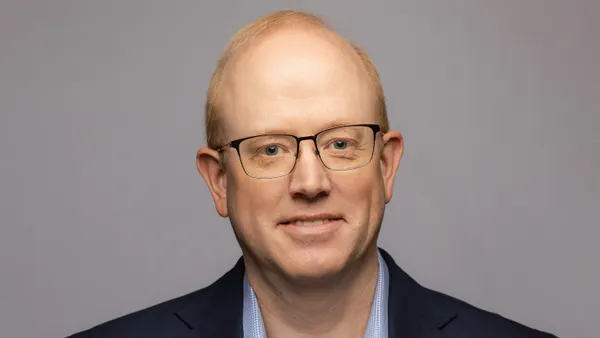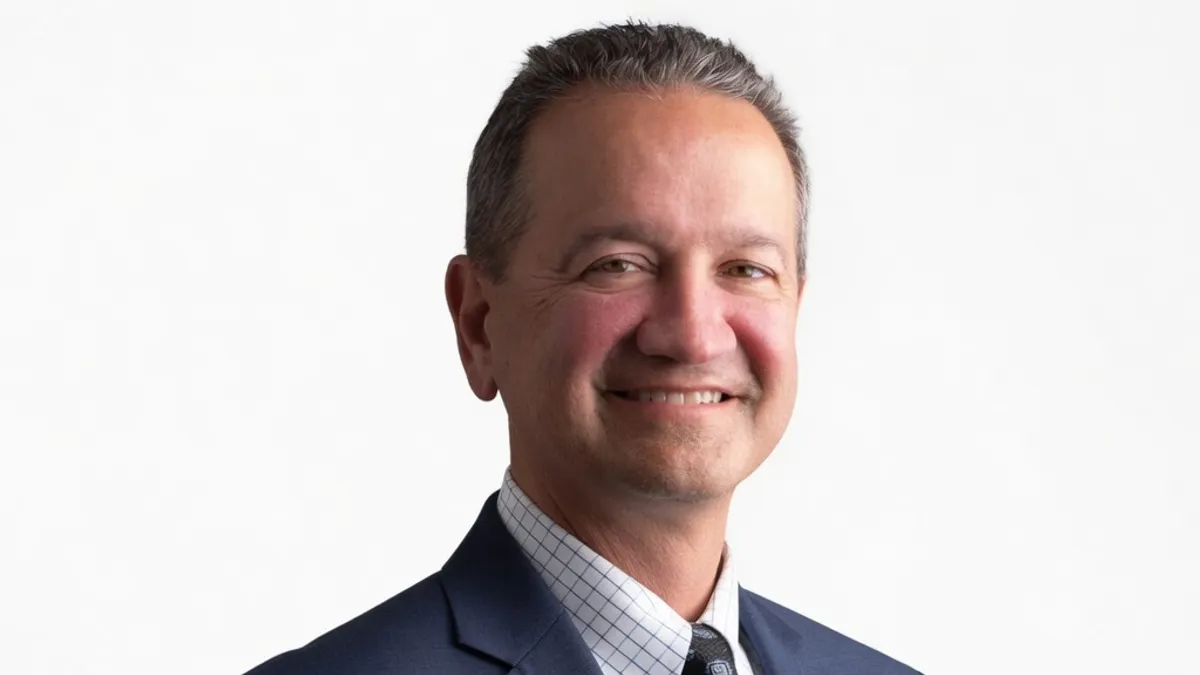
Welcome to First 90 Days, a series dedicated to examining how pharma executives are planning for success in their new roles. Today, we’re in conversation with James Sapirstein, the new CEO of Cocrystal Pharma, which is advancing an antiviral candidate for norovirus.
Norovirus is the bane of cruise ships, long-term care facilities and schools, ripping through close quarters with remarkable speed and striking those it sickens with sudden and severe stomach problems.
“What we hear from patients is that norovirus won't kill you, but you wish it did,” said James Sapirstein, the new CEO of Cocrystal Pharma. Norovirus can be fatal: The CDC estimates it causes about 900 deaths annually in the U.S., mostly among older adults.
But clinical-stage Cocrystal is hoping to change that with its lead candidate, CDI-988, an oral antiviral that received FDA fast track designation for norovirus treatment and prophylaxis. The drug is currently in a placebo-controlled phase 1b human challenge study at Emory University School of Medicine that completed dosing its last participant. The company expects preliminary results in late 2026 or early 2027.
The cost of the stomach bug is high. Every year, norovirus causes an estimated 685 million illnesses, triggering $60 billion worldwide in healthcare costs and lost productivity. In the U.S., the virus causes about 109,000 hospitalizations every year, according to the CDC. Despite that burden, there’s no specific medicine to treat norovirus; care focuses on replacing lost fluids and managing symptoms, including with medicines like Imodium.
And drug R&D for norovirus is tricky business.
“The virus is just too smart. And that's the difficulty,” Sapirstein said.
That difficulty was evident in July when Moderna reported that its norovirus vaccine candidate, mRNA-1403, fell short of the statistical criteria for early success at the phase 3 interim analysis. The company said it will enroll an additional cohort.
Two years earlier, the Takeda Pharmaceuticals spinout, HilleVax, struck out in a mid-stage study when its norovirus vaccine failed to meet its primary efficacy endpoint in infants. Cocrystal is taking a different approach, and not only because its candidate is an antiviral, rather than a vaccine.
“In the past, I think other companies have gone after the full boat of norovirus [strains] and have not been successful. We're going after a very specific strain [in our challenge study]. And if that works, we'll go after the other strains,” Sapirstein said, adding that the company’s platform, which draws on the expertise of Nobel laureate and company chairman Roger Kornberg, allows for such customization.
In taking up the CEO mantle, Sapirstein aims to bring operational and commercial expertise to what has been a science-focused company, which is developing a suite of novel antiviral candidates.
“This is a microcap company at this point. We're trying to build it out, and I'm trying to turn the story around,” he said.
Sapirstein is also interested in dealmaking, whether that means acquiring companies or assets, or being acquired.
Sapirstein joined Cocrystal in June after many years in the antiviral space, including leading the global launch of the HIV drug, tenofovir, marketed as Viread, at Gilead Sciences. He also held senior positions at Bristol Myers Squibb and Serono Laboratories, and prior CEO roles at Tobira Therapeutics and Contravir Pharmaceuticals.
Here, he discusses how CEOs shape and tell company stories, how his prior experiences inform his current role and how Cocrystal could position its norovirus drug on the market.
This interview has been edited for brevity and style.
PHARMAVOICE: Do you view your role as CEO as shaping a story and a narrative for a company?
JAMES SAPIRSTEIN: I do, because that's exactly what my career has been about. For instance, when I was recruited from Bristol Myers [to Gilead], people thought, my goodness, you're crazy. Why are you moving cross country to Gilead, which had just failed at the FDA with [the HIV candidate] adefovir?
But I talked to scientific advisors who told me [that another HIV candidate] tenofovir’s got legs. They need someone like you that can help shape the strategy. So I became known as a turnaround agent. Gilead was not doing very well. We weren't profitable. I also was part of the team that helped convince our CEO and board to acquire Triangle Pharmaceuticals which eventually [resulted in the first HIV PrEP medicine] Truvada.
And quite frankly, I haven't stopped since. When I was recruited out of Gilead to run the business at Serono, it was a turnaround situation in their growth hormone franchise. We went from being one of the last profitable regions in Serono to No. 1 by the time I left.
So that gave me the confidence to walk into other businesses and turn them around. They're not all completely broken. Sometimes they need a tweak here, a tweak there. My goal is to be able to identify where some of the minor changes are. And if there's major changes, that's what we'll do.
You have been involved in 23 product launches. What experiences are you drawing on as you advance your norovirus candidate?
Gilead gave me the opportunity, as a commercial person, to tweak a [tenofovir] trial. So, even though the phase 3 program had started, I made suggestions to the clinical team. We may want to measure this, and we may want to measure that because we might get this particular outcome. Tenofovir was [not] going to be the [first HIV drug] on the market, and there was really not a great way to differentiate it.
What we eventually were able to do was put our resistance profile in our package insert based on the clinical data that was produced. That was very different. And that made all the difference in the world. Was tenofovir the greatest HIV drug ever? Absolutely not. It just presented itself differently and presented itself against certain mutations of the virus that no one else was able to do.
We're going to have to lean on that experience for norovirus, since it's a very specific virus that we're looking at.
How are you going to position CDI-988 on the market should it win approval?
If it turns out to be an extremely safe drug, it can be an ethical drug for a couple years, and then we [could] talk to the FDA about maybe going OTC so that it could be stocked around the world.
Because even if you have 40% or 50% efficacy, do you really want to just have it available by prescription when it's really needed around the world? The consumer side of me would say, no, you want it to be available.