Sun Pharma’s recent $11.75 billion acquisition of Organon marked an aggressive bid by India’s largest drugmaker to vault itself into the ranks of the world’s top 25 drugmakers. If completed in early 2027 as anticipated, the deal could generate a combined revenue of $12.48 billion and help solidify the company’s presence in 150 countries.
The acquisition reflects the growing global ambitions of India’s pharma industry to evolve from its roots in the generics market. But is the country poised for a China-esque pivot toward becoming a powerhouse of innovation?
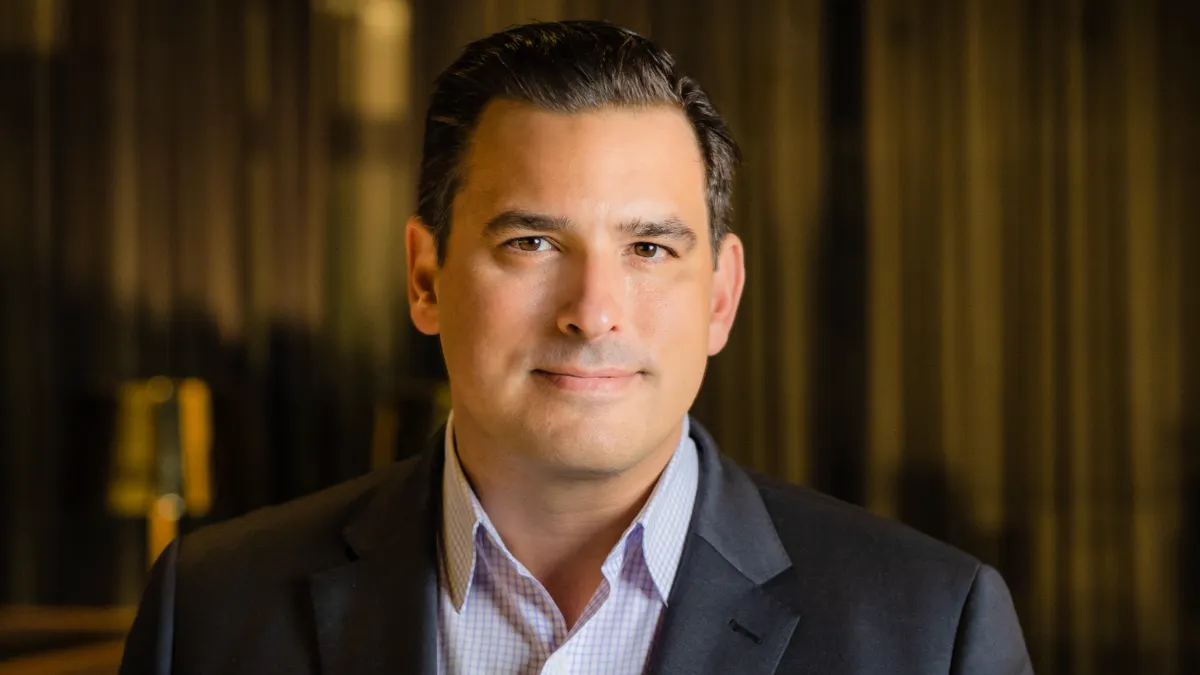
Probably not anytime soon, according to Subin Baral, EY-Parthenon global life sciences deals leader.
“In our view, [the country is] a long time away from actually competing as a serious innovation hub for biopharma,” he said.
Gaps in infrastructure and capital are among the biggest barriers on the path forward.
India’s rise
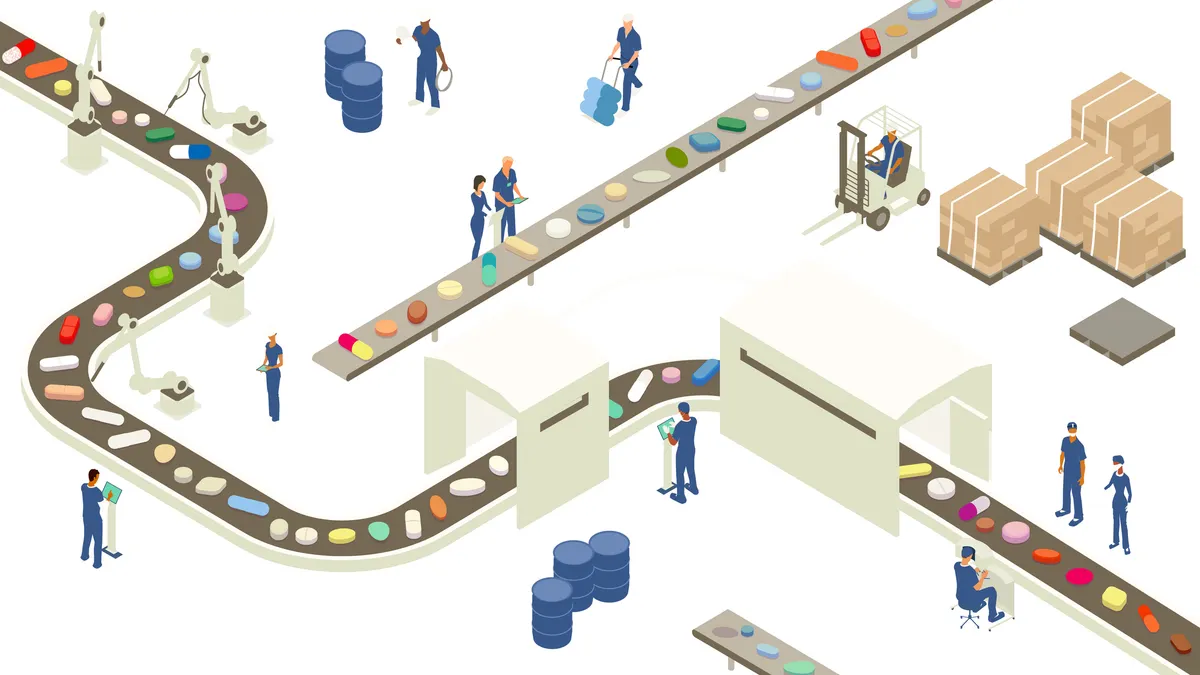
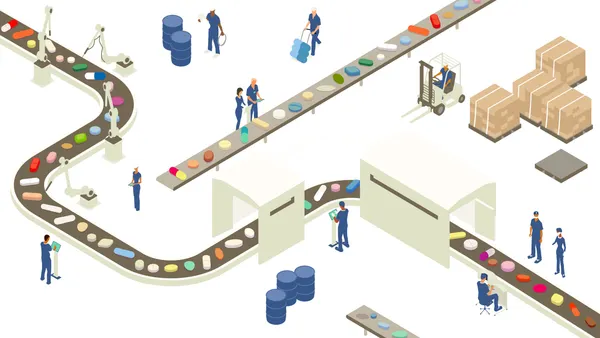
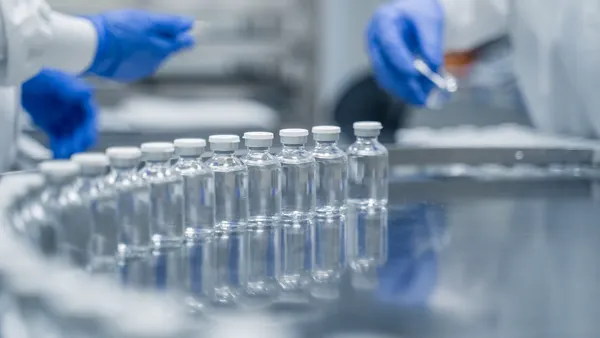
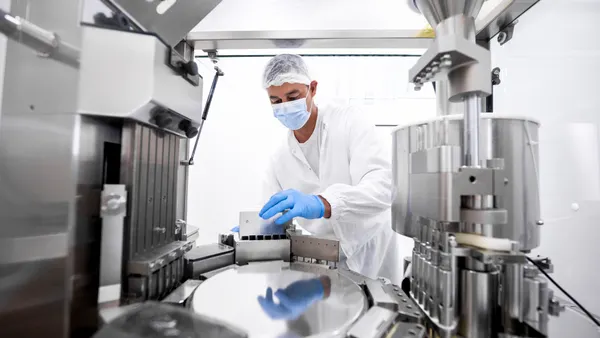
Long considered the “pharmacy of the world,” India is the global leader in generic medicine production, supplying as many as one in five unbranded drugs sold. It has a $55 billion drug market and is home to more than 10,000 manufacturing facilities and 3,000 pharma companies. The country is also among the world’s leading producers of active pharmaceutical ingredients.
The Indian government is intent on expanding that reach. With ambitions to grow its economy to at least $30 trillion by 2047, the pharma sector’s expansion is integral to that goal, according to a report by Bain & Company. Indian companies are also looking to build new ties abroad, most recently committing more than $19 billion in planned investments in U.S. drug manufacturing, facilities construction and R&D.
"India is the prime country. It's large. It's got good scale. It's got good brand."

Subin Baral
Global life sciences deals leader, EY-Parthenon
The broader geopolitical climate and the U.S.’ emphasis on shifting away from China is working in India’s favor. With the stated goal of protecting national security, the U.S. recently passed the Biosecure Act to force U.S. companies to cut supply chain ties with certain Chinese companies.
“The Biosecure Act is a big play for [India] if [the country] can truly capitalize on the decoupling from China,” Baral said. “How do you solidify yourself as a serious player and then move into the innovation side of the house?” That shift will require different tools that may take time to build, he said.
Following in China’s footsteps
Overall, India is treading a similar path to what China created as it shifted its pharma industry away from lower-cost manufacturing and toward higher-value innovation.
“We can use China as a good case study of how things may evolve. Once you have your back end manufacturing scaled up, you can pivot,” Baral said. “But how quickly the government would run behind the regulation and the support to accelerate that is going to be critical. And anecdotally, it's relatively easier in China than in India.”
India faces unique barriers that may stymie rapid progress. Like China, which struggled to implement data and privacy protections, India needs to meet consistent quality standards to partner with Western companies.
“The quality, rigor to be able to get into the global market hasn’t always been there,” Baral said, noting that it is improving, but that further gains will require infrastructure.
The Indian government, while seemingly motivated to accelerate changes in this direction, hasn’t set forth firm plans.
“There's been a lot of talk around this. The think tanks and so forth are heavily pushing on this idea to make these international priorities similar to what China did,” Baral said.
But so far, “we haven't seen anything impactful at this stage,” he added.
While investment and dealmaking in China is surging, there isn’t the same level of capital investments flowing into India. And unlike in India’s tech sector, where the talent needed to fuel innovation is migrating back into the country, the same trend is not broadly occurring in pharma, Baral noted. It’s also still much faster and cheaper to carry out clinical trials in China.
“We haven't seen that level of sophistication in India yet,” Baral said.
India now has an opportunity to compete, but it’s not clear how quickly the country will be able to catch up, he said. India also faces aspiring regional competition as it charts its rise while other countries like Vietnam make their own push into the space.
“Obviously, India is the prime country. It's large. It's got good scale. It's got good brand. It's done business with global players, which probably gives them a lot more of an inherent advantage. But there are pockets of competition that are already inside of the Southeast Asian region,” Baral said.
If India does lay the groundwork to make the leap into innovation, the pharma industry will be willing to follow, Baral said.
“Life sciences executives, at least the ones that I talk to, are beyond borders,” he said. “Whoever builds that infrastructure better and faster will win it or at least will compete with China to take some of the share.”