In January, Aquestive Therapeutics received a complete response letter from the FDA for its allergy and anaphylaxis treatment, Anaphylm. One of the issues the FDA flagged was the fold-and-tear foil pouch that held its dissolvable oral epinephrine strip was too difficult for users to open — a drawback for a fast-acting medicine designed to reverse potentially life-threatening allergic reactions.
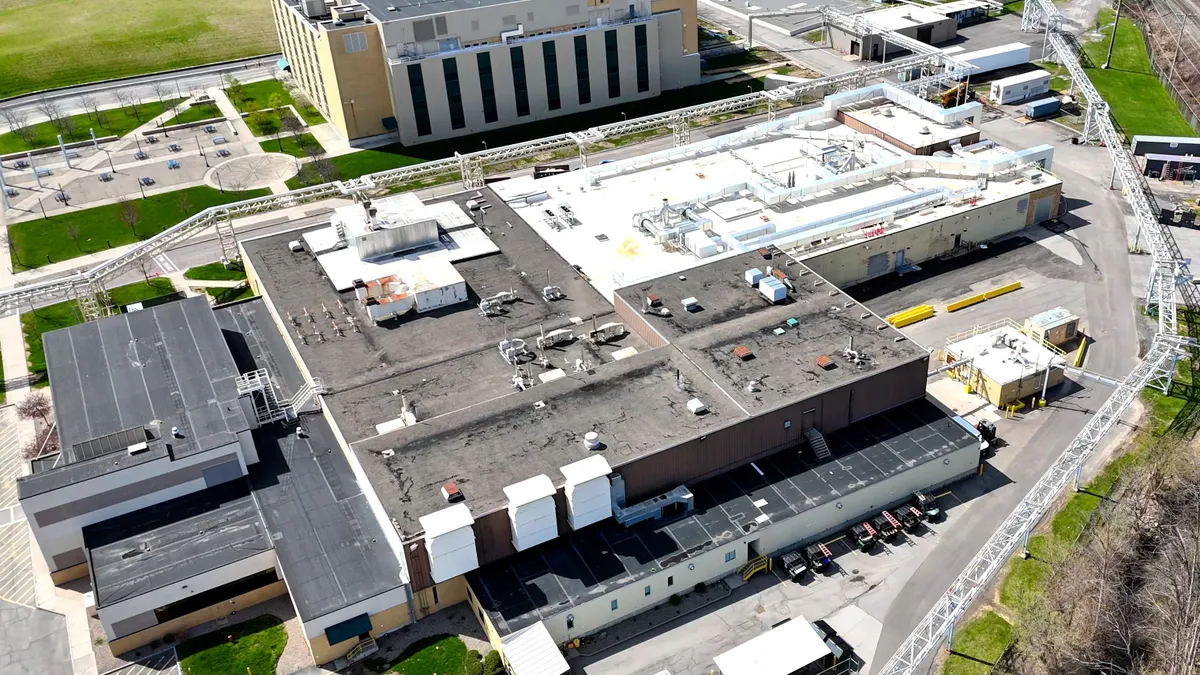
Because its manufacturing facilities are based in the U.S., Aquestive's team got on-site that day and began the fix.
“Within a matter of weeks, we had a new solution,” said Aquestive CEO Daniel Barber, adding that it puts the company on track for a third-quarter resubmission. “If we had our manufacturing in Asia or even Europe, that process would have taken months and months because you would have had to go there. You would have to get a statement of work. It just becomes more complex.”
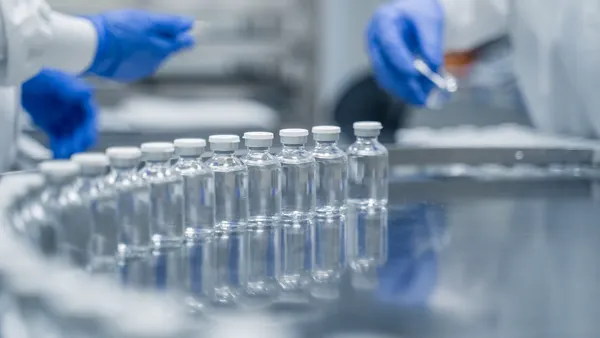
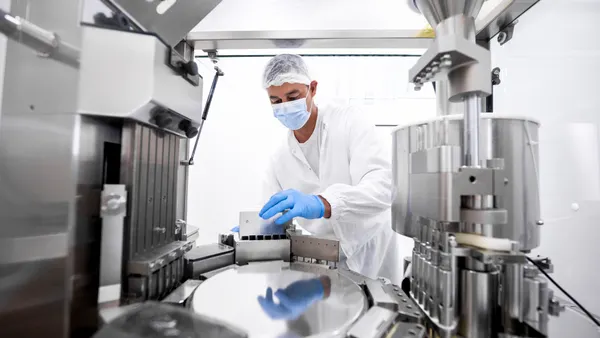
In an era when more companies are considering moving operations to U.S. shores, this case shows the speed advantage that could come from domestic manufacturing.
Since the start of the COVID-19 pandemic, when leaders began to recognize how vulnerable U.S. pharmaceutical supply chains were due to foreign dependence, the push has been on to bring drug manufacturing stateside. More recently, a number of companies have negotiated deals with the Trump administration to avoid tariffs by pledging to build sites in the U.S., including Johnson & Johnson and AbbVie.
The price of proximity
When Aquestive opened its doors in 2005, its U.S.-based manufacturing made it feel out of step with competitors who were typically outsourcing their work, Barber said. Even so, staying local offered advantages beyond proximity to the plastics company it spun out from. Today, as companies increasingly navigate challenges related to speed, complexity and geopolitical risks, he said company leadership feels validated in their decision.
That’s not to say there aren’t downsides to domestic manufacturing. “The number one issue any pharmaceutical company faces in the U.S. is pricing,” Barber said.
Payers and pharmacy benefit managers have substantial control over pricing, and as the science and manufacturing become more complex, it becomes harder to get reimbursed for investments, he said. For companies producing generic medications, the price of manufacturing in the U.S. often makes the move cost prohibitive.
Finding the specialized expertise needed for manufacturing is another challenge, one that makes location selection critically important. Aquestive needed chemists, engineers and well-trained production teams. “Finding all three of those can be a trick when you look around the U.S.,” Barber noted.
To secure a reliable talent supply, the company set up operations in Indiana, which allows it to draw engineers coming out of Purdue University, local workers to staff the production line and Ph.D.s from Chicago and Indianapolis, he said.
However, while its manufacturing facility is in the U.S., Aquestive, like many other domestic operations, still relies on components sourced overseas, primarily from Asia. “The logistical issues are still there,” Barber said. So are supply chain risks, which leaders manage by keeping a watchful eye for potential shortages or disruptions.
“Having said that, it’s fairly straightforward to de-risk your operations by stocking up on materials,” he added.
As of 2025, only 15% of patented APIs by volume are produced in the U.S. “I think at the national level, finding the right ways to incentivize chemical manufacturers to bring back API manufacturing to the U.S. would be a really important step forward,” Barber said. “There are manufacturers here in the U.S. — it's not like there are none — but it's just not a healthy enough environment for that part of the supply chain.”
Beyond tariffs and tax breaks
While the U.S. government has been pushing to reshore manufacturing, Barber thinks the bigger reason for companies to make the move back is the complexity of the global market. “Even without government, the geopolitics leans towards bringing back your manufacturing, so that you can be fast, efficient, technically savvy, all of those things,” he said. “I think the government aspect just adds more focus and perhaps more incentives in certain cases to accelerate the onshoring that I think would happen regardless.”
U.S.-based manufacturing can also offer advantages in quality control because standards are more rigorous than some other locations. “The U.S. standards have held us in a really good place,” Barber said. As a result, it may take some time for companies moving to the U.S. from less regulated markets to get their processes up to par.
Despite the upsides, there is evidence that the U.S. isn’t making as much headway in manufacturing as some might like. In 2025, U.S. contract manufacturing deals for FDA-approved drugs saw the “steepest decline” in five years, according to Global Data. Europe was a beneficiary of that trend, recording three-times the manufacturing deal volume that year compared with the U.S.
While there are challenges in bringing manufacturing back home, it’s something companies should consider, Barber said. People too seldom think about where potentially life-saving medications are coming from.
“Making sure that the quality of that medication is completely understood, checked and verified is much easier in my mind when it's U.S. manufacturing,” Barber said. “We've even seen from an audit perspective, where the overseas auditing was much wider apart and less likely to happen than what we experienced here in the U.S.”