Lessons for pharma executives can come from surprising places — even a light “summer read” that pulls back the curtain on another industry.
That’s what Stacy Lindborg, CEO of Imunon, experienced when she sat down with “Flamin' Hot: The Incredible True Story of One Man's Rise from Janitor to Top Executive.”
“[The book] leaves you energized and reminded that groundbreaking innovation can come from anywhere, and that the courage to speak up and fight for your ideas is what separates good leaders from truly exceptional ones,” Lindborg said via email. “Whether you are in early discovery, commercial or corporate leadership, this book will make you think differently about the value of your own unique viewpoint at work.”
To find out what other books pharma execs recommend to their industry brethren, we reached out to a range of leaders for their picks. Here’s what they chose and why these books left a lasting impression.
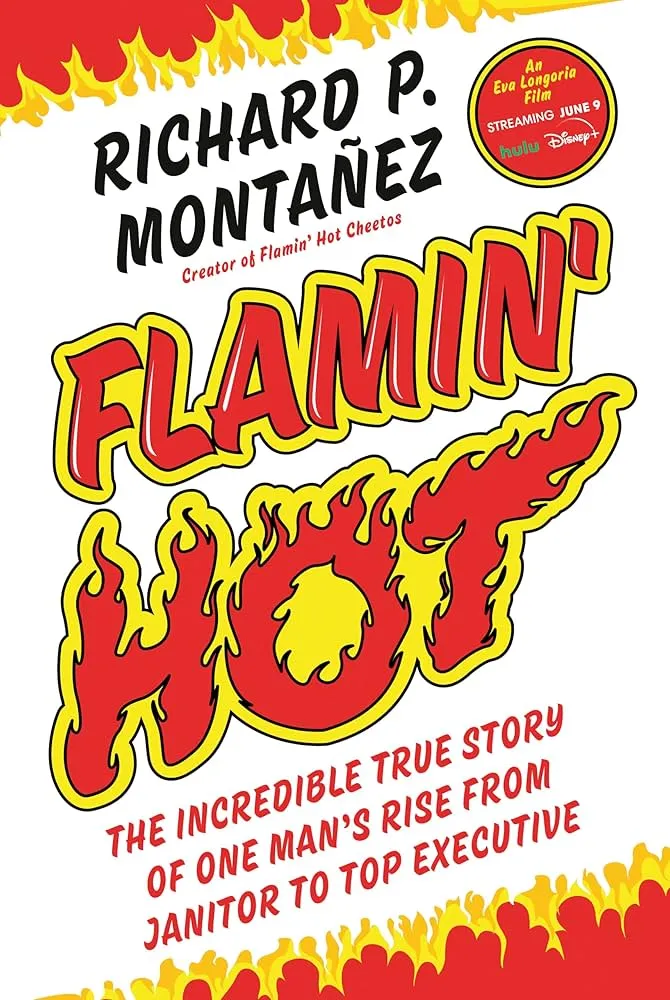
Book: “Flamin' Hot: The Incredible True Story of One Man's Rise from Janitor to Top Executive”
Author: Richard Montañez
Recommended by: Stacy Lindborg, CEO, Imunon
What it’s about: Richard Montañez’s memoir chronicles his rise from working as a janitor at a Frito-Lay factory to inventing Flamin’ Hot Cheetos, and his fight to become one of the company’s senior leaders.
Why it’s great: “What makes the book especially powerful is its raw, practical look at what it really takes to champion a big idea inside a large corporation. Montañez shares the high-stakes moments when his innovation was nearly stolen by more senior colleagues who tried to undercut him, and he reflects candidly on how critical the perspective you bring to work can be. He draws a sharp contrast between traditional ‘command and control’ cultures that stifle creativity and truly empowering cultures that reward bold thinking — lessons that resonate strongly in the pharmaceutical industry, where regulatory complexity and bureaucracy often compete with the need for fresh ideas.
It is also a master class in knowing which ideas are worth the personal risk to your time, reputation, and career. The storytelling is engaging and conversational, making it a fast, uplifting read.”
Book: “The Greatest Beer Run Ever: A Memoir of Friendship, Loyalty, and War”
Authors: John "Chick" Donohue and J.T. Molloy
Recommended by: Chris Peetz, CEO, Mirum Pharmaceuticals
What it’s about: Laced with humor and pathos, this Vietnam War-era memoir tells the story of a U.S. Marine Corps veteran who snuck across battle lines to deliver beer to his buddies serving in the military.
Why it’s great: “While not an intellectual masterpiece, this book (and movie) is a great reminder that sometimes the most meaningful missions start with an idea that sounds crazy, like heading into a war zone to deliver beers to friends on the front lines. It’s a story about loyalty, persistence, a dose of naive optimism, and showing up for people in difficult circumstances. These qualities resonate deeply in biotech. Building new therapies often requires taking bold swings with incomplete information and pushing forward when the path isn’t obvious. There’s something in that spirit that feels very familiar.”
Book: “Thinking, Fast and Slow”
Author: Daniel Kahneman
Recommended by: Jared Kelly, CEO, Oncolytics Biotech
What it’s about: In his popular book, psychologist and winner of the Nobel Prize in economics Daniel Kahneman breaks down the mind’s two thinking systems — one that relies on quick emotion and instinct, and the other that uses logic and slow reasoning.
Why it’s great: “The book is a primer on how we make decisions and the internal biases we all face when choosing paths in our lives. The application of its takeaways to drug development is especially on point. Oftentimes we make emotional decisions, become attached to the road on which we are already traveling, or make a choice because it’s the easy one or because of group think. Drug development, and perhaps especially oncology drug development, is inherently emotional given the stakes. But it is also one of the most complex and difficult processes loaded with intricate details that need to be rationally and methodically understood and executed over an extended period of time. This book puts all of this in context, and has been helpful in thinking through and executing a long-term strategy in the face of enormous pressure to move fast and show quick results.”
Book: “Enough: Your Health, Your Weight, and What It’s Like to Be Free”
Authors: Oprah Winfrey and Dr. Ania Jastreboff
Recommended by: Vani Manja, senior vice president, global head, obesity and liver health unit, Boehringer Ingelheim
What it’s about: “Enough” blends Oprah Winfrey’s experience with public weight-loss struggles with the realization that obesity is a disease that can be treated with medication, and includes insights from Yale School of Medicine’s Dr. Ania Jastreboff.
Why it’s great: “‘Enough’ offers a powerful blend of personal reflection and broader leadership insight that is especially relevant for those of us in the pharmaceutical industry. In a sector where science, innovation and patient impact intersect with intense performance expectations, the book serves as a reminder to stay anchored in purpose, self-awareness and values-based leadership.
On a more personal note, earlier this year I had the opportunity to meet Dr. Ania Jastreboff, whose work continues to reshape how we think about obesity as a disease. That conversation reinforced for me how important it is not only to push the boundaries of innovation, but also to remain deeply connected to the people and purpose behind what we do.”
Book: “Range: Why Generalists Triumph in a Specialized World”
Author: David Epstein
Recommended by: Arnon Chait, chief innovation officer, Cleveland Diagnostics
What it’s about: David Epstein leans on the examples of the top athletes, artists, scientists and others to show why those with varied interests and experiences excel in their given fields beyond laser-focused or myopic specialists.
Why it’s great: “Wisdom comes from knowing a lot of different things, and today's top pharma execs need to borrow and assemble insights across disciplines, not just go deep on one — something a PhD alone doesn't provide. In an industry this complex and fast-moving, range has become a competitive advantage.”
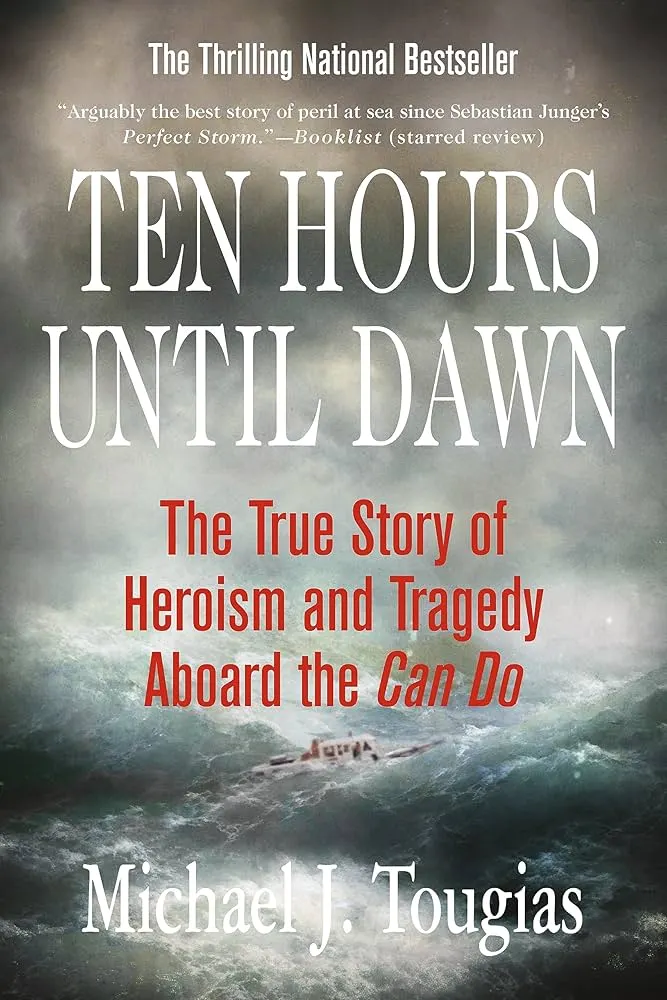
Book: “Ten Hours Until Dawn: The True Story of Heroism and Tragedy Aboard the Can Do”
Author: Michael Tougias
Recommended by: Dr. Doug Kerr, chief medical officer, Dyne Therapeutics
What it’s about: Using meticulous historical recordings and interviews, this book tells the harrowing true story of a doomed yet heroic rescue mission at sea during a powerful and devastating blizzard.
Why it’s great: “[It’s] a powerful story of resilience under extreme pressure. Set during the Blizzard of 1978 off the Massachusetts coast, the book vividly captures how individuals and teams respond when conditions are at their worst. It’s a reminder that resilience is forged in uncertainty and is highly relevant to biotech and rare disease work.
I was introduced to this story through a friend whose father was among those lost in the rescue attempt. Over the past year, as we supported her through her own battle with ALS, the story took on even greater meaning, connecting past sacrifice with present day compassion and care. The book reinforces the idea that what we do, whether saving lives at sea or developing treatments for patients, matters most when it’s rooted in service, perseverance and humanity.”
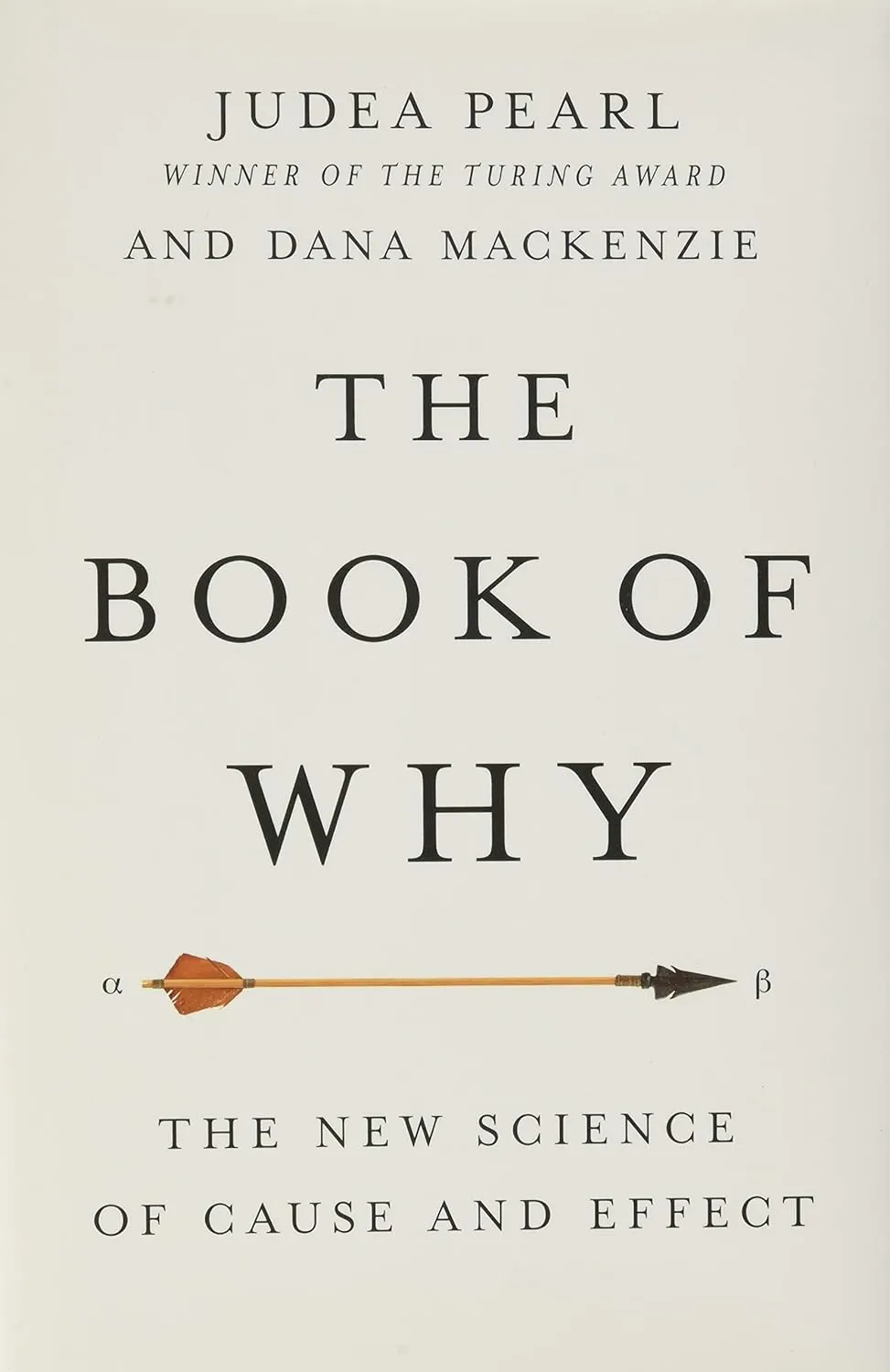
Book: “The Book of Why: The New Science of Cause and Effect”
Authors: Judea Pearl and Dana Mackenzie
Recommended by: Kaniel Cassady, executive director, global clinical development, Regeneron
What it’s about: Judea Pearl, a computer scientist and statistician, moves beyond the idea of correlation vs. causation with a framework for understanding why things happen that consists of observation, intervention and counterfactuals.
Why it’s great: “Pearl's causal ladder of correlation, intervention, and counterfactuals has become the filter for every AI announcement crossing my desk. Most AI lives on the bottom rung; drug development lives on the top two. Every trial asks whether a molecule does what we think it does, and what would have happened to a patient otherwise.
This book has left me more bullish on AI in some places, more skeptical in others, and clearer about the AI developments yet needed to advance our industry.”