CEOs can make or break a company. And new leaders at three of pharma’s largest drugmakers are taking over with little room for error.
For Novo Nordisk’s new CEO, the mandate is to regain momentum after ceding ground to Eli Lilly in obesity. Sanofi is trying to strengthen its pipeline for a future less dependent on Dupixent. And GSK is charting a more “product-centric” course under its new chief.
All three leaders took the helm within the last year at pivotal moments for their companies, and each is now trying to set up the next phase of growth.
Here’s a look at what they’re up against.
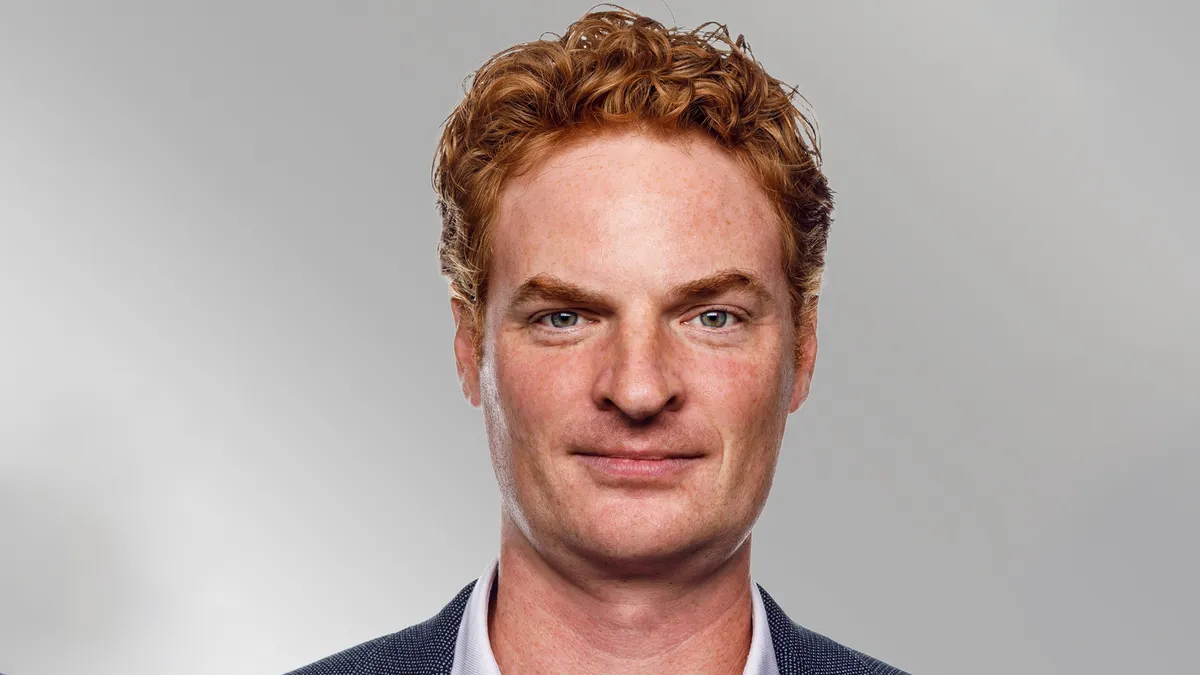
GSK zeroes in on new launches under Luke Miels
“2026 is a pivotal year for GSK to define its path for the decade ahead,” former CEO Emma Walmsley said when GSK announced Miels as her successor last September. Miels formally took over on Jan. 1 after serving as the company’s chief commercial officer.
Miels has already begun making changes. In July, GSK announced a three-year, multibillion-dollar restructuring plan. The changes are designed to free up money to invest in new drug research and save approximately $2.5 billion a year as the company prepares to lose exclusivity on best-selling drugs, including its blockbuster HIV antiviral, dolutegravir, between 2028 and 2030. The company will also push to get more of its late-stage medications across the regulatory finish line and launched onto the market to help offset the loss.
In recent years, GSK has made a deliberate move into oncology. In July, the company completed its nearly $11 billion deal to buy Nuvalent, adding two late-stage targeted cancer drugs to its portfolio.
GSK also recently gained approval for Jideytro, its ROS1 selective inhibitor drug for non-small cell lung cancer.
But GSK’s pipeline is far-reaching and includes drugs in respiratory, immunology and inflammation, HIV and infectious diseases. In total, it has 62 assets in development and expects to start more than 20 phase 3 trials this year, which it hopes will be enough to put it in a strong position as it faces down the challenges ahead.
The R&D hustle has resulted in promising assets including its immunotherapy drug, dostarlimab, which won priority review in rectal cancer from the FDA this month. The drug could spare a subset of patients from chemotherapy, radiation and surgery, according to GSK.
GSK is also awaiting an Oct. 26 FDA decision on its hepatitis B treatment candidate bepirovirsen, an RNA-based shot some doctors heralded as a “functional cure” for a segment of patients that was recently approved in Japan.
For Miels, the test will be whether those launches and pipeline bets can carry GSK through its coming patent losses and turn his “product-centric” strategy into durable growth.
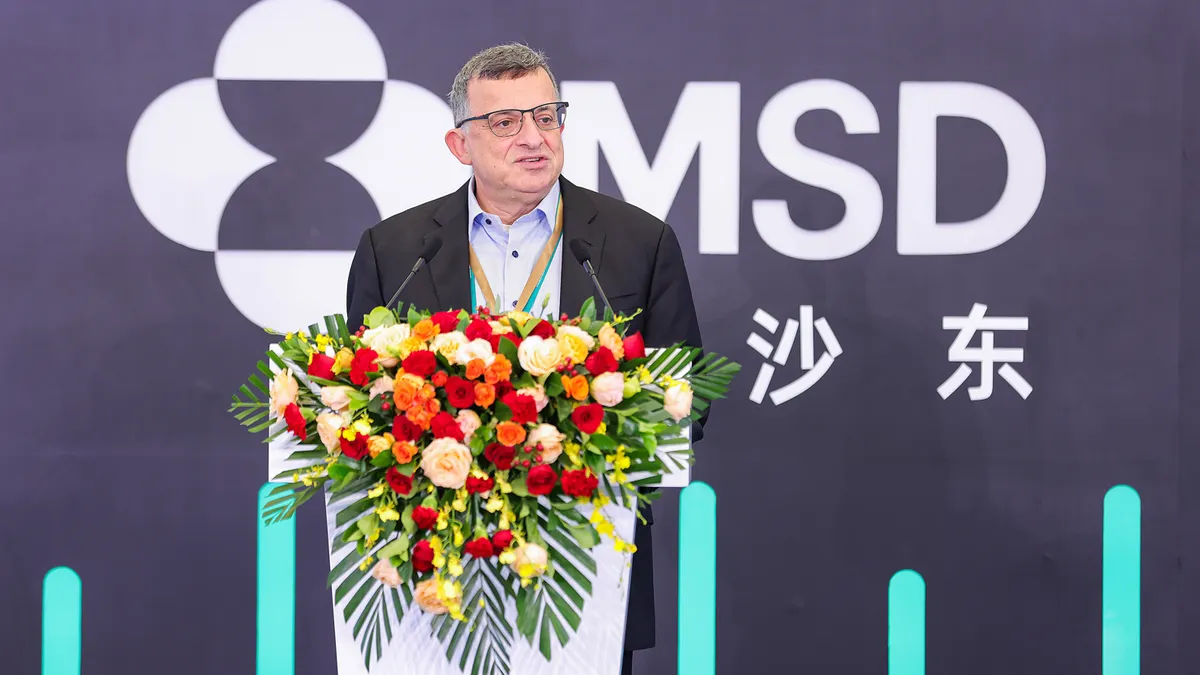
Novo needs a rebound under Maziar Mike Doustdar
Once on top of the GLP-1 diabetes and obesity drugs with Ozempic and Wegovy, Novo has lost ground to Eli Lilly, which now leads the broader market with Mounjaro and Zepbound.
Doustdar took the reins on Aug. 7, 2025, after more than three decades at Novo, beginning as an office clerk in Vienna in 1992. Since then, the company has embarked on a sweeping transformation that included plans to cut about 9,000 jobs, a major board overhaul and a pullback from cell therapy. The challenge now is translating Doustdar’s deep institutional knowledge into a return to growth.
The company is being bolstered by strong uptake of its Wegovy pill, which launched in January and nearly doubled analyst expectations with $354 million in first quarter sales. The pill generated about $497 million in Q2. That result still fell short of projections, but it far outpaced Lilly’s competing pill, Foundayo, which posted $98 million in Q2 sales since its April launch.
Novo is also preparing for a major revenue hurdle when key active ingredient patents on semaglutide expire in Europe in 2031 and U.S. in 2032. The company recently saw two pipeline setbacks: the phase 3 failure of its cardio drug, ziltivekimab, for reducing major cardiovascular events despite lowering inflammation, while CagriSema disappointed investors when it failed to show non-inferiority to tirzepatide (the active ingredient in Zepbound) on weight loss in a head-to-head trial. Doustdar has said Novo is accelerating R&D, including outside of GLP-1s, while pursuing bolt-on acquisitions.
Even as Novo looks to regain lost ground, Doustdar told Reuters he doesn’t see obesity drugs becoming a winner-takes-all market. Instead, he expects different products to serve different patients and has said oral medicines could eventually make up as much as half of the GLP-1 market by 2030.
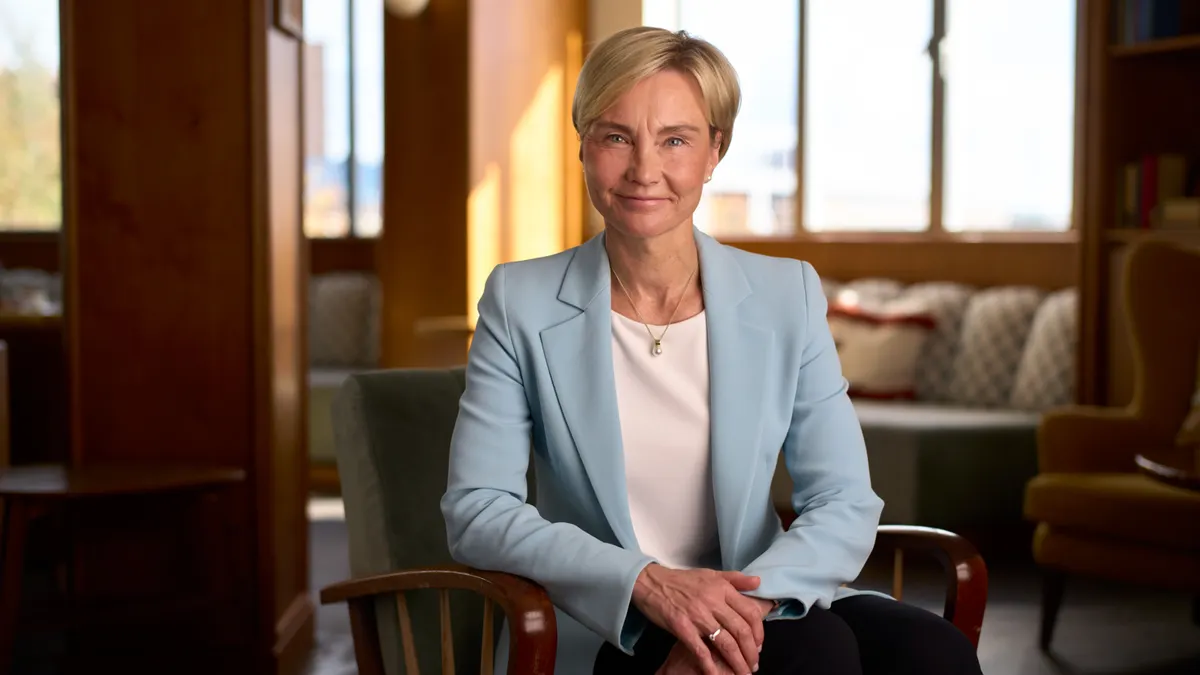
Sanofi looks to its post-Dupixent future with Dr. Belén Garijo
Sanofi’s new CEO, Dr. Belén Garijo, took over for Paul Hudson in the spring and is also moving her company through a transitional period, which is complicated by political and regulatory upheaval. Garijo returned to Sanofi, where she once served as a senior vice president of global operations, after a multi-year stint as CEO of Merck KGaA.
The good news is that the company saw a strong second quarter. Its $13.4 billion in sales beat analyst consensus projections by 8%.
The downside is that its superstar seller, Dupixent, is facing a looming patent expiration. Sales of the drug increased by more than 37% last quarter, but because it’s on track to lose exclusivity as soon as 2031, Sanofi has a major revenue gap it’ll need to fill. Company leaders hope to extend that runway by gaining approval for new Dupixent formulations.
Sanofi’s cancer drugs, Ayvakit and Sarclisa, also contributed to the company’s strong performance in the second quarter. At the same time, sales of Sanofi’s vaccines, a long-time cornerstone of its portfolio, dipped by 4.7%, which the company said was due to higher-than usual comparison sales in the same quarter last year. Slowing sales in China amid a birthrate decline also contributed to the fall in vaccine uptake. The overall vaccine landscape in the U.S., meanwhile, has been complicated by federal policy changes and controversies during the tenure of HHS Secretary Robert F. Kennedy Jr.
Garijo has said Sanofi’s focus areas of immunology, rare diseases and vaccines will not change as she pushes for stronger commercial execution and a more productive R&D pipeline.
“We have taken the first decisive steps on pipeline prioritization and recently, we appointed a focused executive committee aligned with the strategic priorities,” she said.
Garijo has also said Sanofi is looking to strategies like bolt-on acquisitions as it works to replenish its pipeline.