Pharma M&A deals are booming in the first four months of 2026 compared to the same period last year. In 2025, there were 14 deals by the end of April with upfront payments totaling about $24.5 billion, while this year saw 24 matchups in that period, with upfront values eclipsing $64 billion, according to BioPharma Dive’s M&A tracker.
Although the industry has yet to witness any megamergers, a large chunk of this year’s bump came from acquisitions with a total deal value over $5 billion, including Sun Pharma’s $11.75 billion buy of Organon, the largest ever pharma purchase by an India-based pharmaceutical firm. In 2025, there was only one $5 billion-dollar deal by the end of April: Johnson & Johnson’s $14.6 billion acquisition of Intra-Cellular Therapies.
The trend validates analyst predictions that 2026 would be a strong year for dealmaking as companies finally click buy after holding off amid political uncertainties. Many Big Pharmas likely can’t afford to wait longer to shore up their pipelines as they stand on the edge of a patent cliff that could strip away some $300 billion from the industry by 2030.
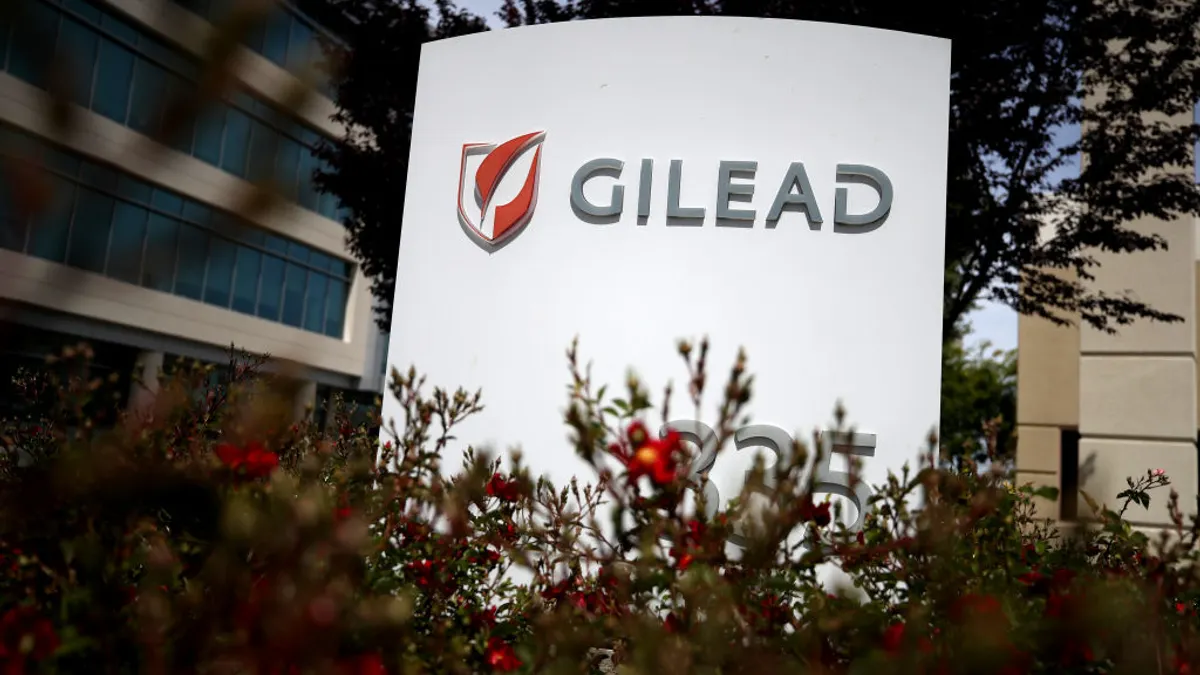
This year’s big purchases included Gilead Science’s acquisition of partner Arcellx, which gave it full control of their investigational CAR-T cell therapy for multiple myeloma; Eli Lilly’s deal with CNS-centered Centessa Pharmaceuticals; Biogen’s purchase of immune-focused Apellis Pharmaceuticals; and Merck & Co.’s buy of Terns Pharmaceuticals, including its investigational drug for chromosome-positive chronic myeloid leukemia.
Merck is among the companies with substantial patent exposure as it prepares for its blockbuster Keytruda to lose exclusivity. Sales of that drug, which make up more than half of the company’s revenue, are expected to peak this year at around $32 billion. While the company is venturing into new areas, it’s still focusing heavily on cancer treatments.
A handful of companies have already carried out multiple deals in 2026, including Gilead and Lilly, which each notched three acquisitions. Unlike many other companies, Lilly is not expected to face significant exposure from the patent cliff. Rather, its spending spree appears to be driven by the influx of cash it has seen from its juggernaut GLP-1 weight loss and diabetes drugs.
Acquisition targets so far this year also have familiar patterns. Oncology remains a popular space in 2026 and leads the pack in upfront deal value, followed by immune diseases, CNS, rare diseases and deals targeting multiple therapeutic areas.
The interest in companies producing immune system drugs showed a notable uptick that coincides with recent investment and clinical trials trends. A Citeline report showed that trials for autoimmune drugs surged by nearly 15% in 2024.
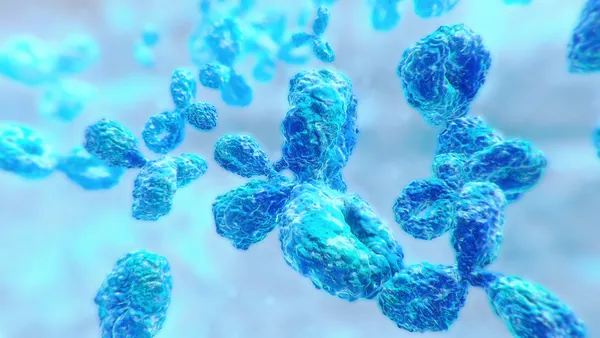
There’s also been an increase in investment in immunology and inflammation, including multispecific antibody drugs, which have seen a bump in popularity due to their promising clinical results and safety profile. Among this year’s deals in the space is UCB’s May acquisition of Candid Therapeutics, a company focused on immune reset drugs including its lead asset, a bispecific antibody in early trials for multiple autoimmune diseases.