As China cruises unimpeded down the biotech expressway, the U.S. finds itself inching along local roads, held up by traffic stops of its own making, according to venture capital investors.
Even before the Trump administration began last year, VCs struggled to stay abreast of what was coming down the policy road, making innovation tough to support and financial returns difficult to predict. That trend shows no sign of stopping, said John Stanford, founder and executive director of the biopharma VC group Incubate.
In particular, pricing policies like President Donald Trump’s most-favored nation proposal and President Joe Biden’s provisions within the Inflation Reduction Act have made investing in U.S. ventures less and less appealing, he said.
“We have to stop putting up red lights,” Stanford said. “We need to put a stop to the proposals and move away from European-style price controls because, as investors, we have to treat all of this talk like it could be real.”
Even if policies like MFN don’t play out as scripted, the mere mention of them has a cooling effect on investor enthusiasm for the sector, Stanford said.
“It’s a distraction at a time when our country can’t afford distractions because China doesn’t have them,” he said.
The U.S. has “a three-year window to retain, or in some cases regain, biotechnology leadership or risk ceding profound military, geopolitical and economic advantages to China,” according to analysis from the National Security Commission on Emerging Biotechnology released in December.
“If the threats keep coming, we sideline capital, we sideline opportunity, and we look elsewhere.”

John Stanford
Founder, executive director, Incubate
China’s biotech dominance is not a foregone conclusion, Stanford said, but investors are starting to turn their attention to the country’s quick ascent. Even VC funds that have historically been cautious of the time and energy it would take to learn the ins and outs of the Chinese ecosystem are scanning the horizon.
“The race has tightened, and we’re neck and neck,” he said. “We have the better athletes and the strategic assets that anchor this relay race, and we can win it if we don’t trip over our own shoelaces.”
Recognizing strengths
China-based Jiangsu Hengrui Pharmaceuticals became the world’s top clinical trial sponsor last year, according to Citeline analysis. But while China has essentially caught up to the U.S. in biotech innovation via an extensive workforce, wide access to facilities and a swifter regulatory environment, it lacks one major factor the U.S. has in spades, Stanford said: major global pharma companies.
“Iconic drugmakers are the strategic asset that anchors this race, and right now, they’re the only edge we have on China,” he said. “But from a VC perspective, we’re not treating them very well in this country.”
In time, without a well-supported innovation engine, the edge would erode as early-stage candidates from China gain traction and become market drivers.
“People who say it’s a foregone conclusion that China takes over the development of drugs in the world have a lot of reasons to believe they’re right,” Stanford said. “What do we do when China has the cure for diabetes and we have to steal it or beg for it? That’s not a position the American people want us to be in.”
The American people also need access to affordable medicines. Policymakers need to find middle ground, though, Stanford said, and that means taking on an American insurance landscape that is “broken.”
“We have to stop scapegoating the pharmaceutical industry when the real problem is insurance companies and health coverage that no longer represent what they promised,” Stanford said.
The low-hanging fruit in that conversation includes PBM reform and insurance profit abatement, he said.
“We need someone to tell insurance they don’t have the right to make unlimited amounts of money without contributing enough to the system,” Stanford said. “I hope this is the dark hour of healthcare confusion and that maybe we have a real debate about pressing insurance to operate as insurance.”
Regulatory and funding setbacks
Beyond pricing measures, biopharma investors have also contended with a wildly unpredictable regulatory environment paired with cuts to early science — a recipe for further alienation of VCs looking to subsidize U.S. biotech wins, Stanford said.
Unexpected turnabouts from the FDA haven’t helped. Last year, the FDA reversed course on several anticipated approvals, leaving drugmakers like UniQure, Biohaven, Replimune and Capricor Therapeutics — and their investors — in the lurch.
“We can’t have the FDA be a guessing game — too many companies seem to be unsure of what the FDA is telling them, and that’s not a recipe for success,” Stanford said. “I want to know every possible step of it, practically speaking, so that I can invest $100 million and be rewarded when everything goes right. That’s still the case most of the time, but it only takes a few outliers for concern to set in and become a negative factor.”
While some regulatory changes have improved the regulatory outlook — such as increased flexibility for gene and cell therapies and an accelerated pathway for rare diseases — other bumps in the road could lead to a devastating mindset change in the VC community.
“If the threats keep coming, we sideline capital, we sideline opportunity, and we look elsewhere,” Stanford said.
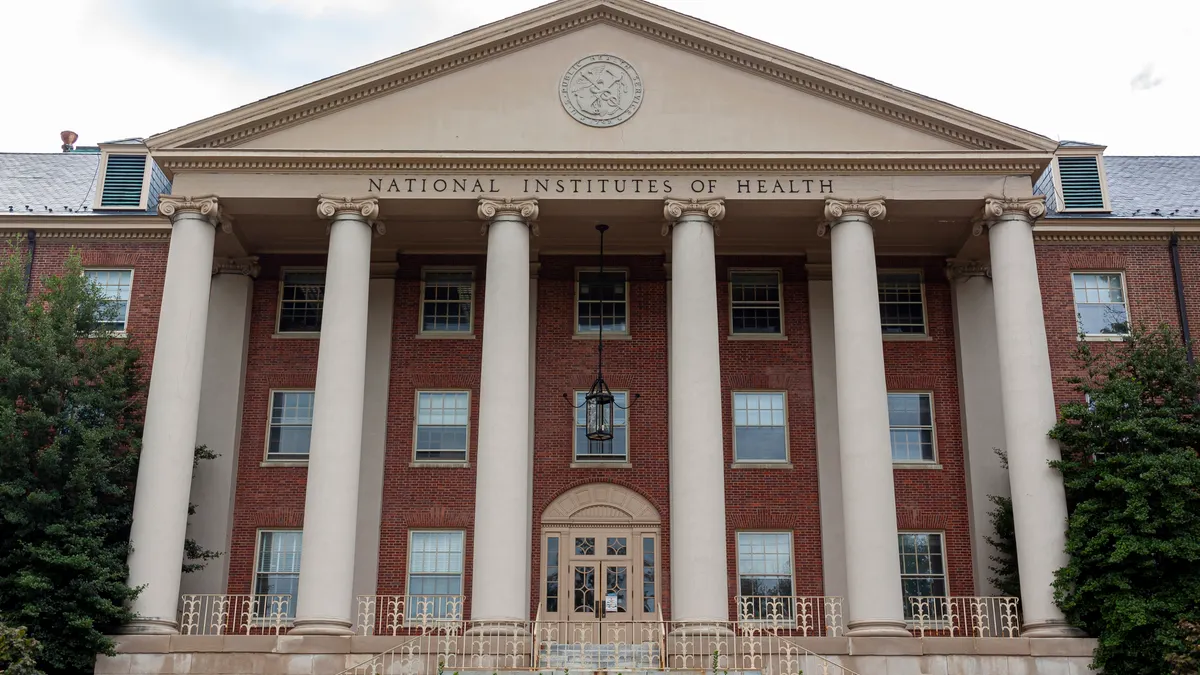
And with major cuts to NIH funding on top of unpredictable market entry, American biotech innovation is flapping in the wind.
“There will be winners and there will be losers, as always, but I don’t think it’s abundantly clear that science is the only factor in determining that,” Stanford said. “Without a doubt, we are living through a moment of wild scientific innovation, and we want to throw money behind those endeavors.”