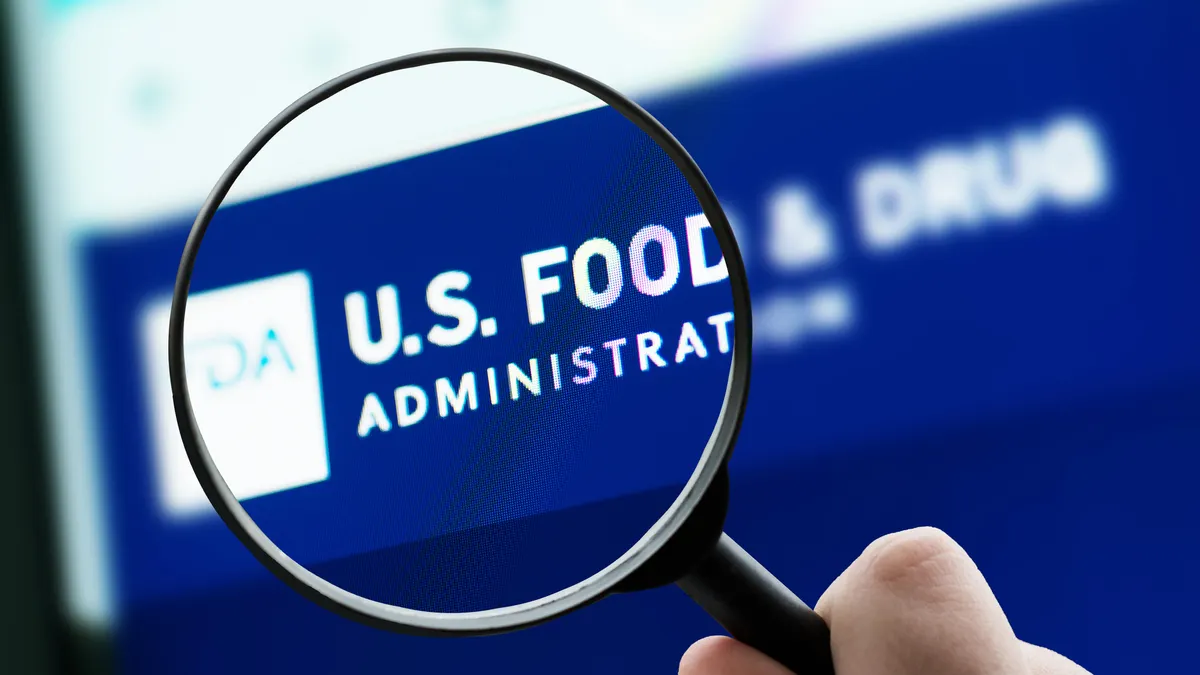
Upheaval was the word of the year at the FDA, and all the disruptions may have something to do with the agency’s rate of new drug approvals.
By late November, the FDA signed off on 39 novel drugs, compared to 43 by the same time in 2024. Rejections were also up from an average of 10% to 15% in 2025, according to RBC Capital Markets analysts, along with missed application review deadlines, which normally hover around 4% but jumped to 11%.
At the same time, the agency grappled with mass layoffs, a leadership exodus and a government shutdown that paused acceptance of new drug applications. Despite the turbulence, pharma companies earned approval for several breakthrough treatments with the potential to transform patient care and deliver blockbuster sales. Several upcoming PDUFA dates this month could also boost the novel drug approval rate before the year’s out.
For now, here’s a look at some of the standout approvals in 2025.
A major leap forward in HIV
The June approval of Yeztugo, a new option to prevent HIV infections in high-risk individuals, was a bright spot in a field facing proposed 2026budget cuts that could slash domestic HIV programs by an estimated $1.5 billion — a reduction that advocates warn will undermine decades of progress.
For the first time since 1988, the Trump Administration also opted not to commemorate World AIDS Day and has already cut global HIV/AIDS spending, which experts say has disrupted care around the world.
Amid the struggles, Gilead’s CEO Daniel O’Day touted Yeztugo as “one of the most historic scientific breakthroughs of our time,” with the potential to help end the HIV epidemic.
The twice-yearly injection successfully prevented HIV infections in a whopping 100% of all 2,134 participants taking the pre-exposure prophylaxis in a late-stage trial. Its long-acting formulation also makes it easier for patients to stay on the treatment, giving it an advantage over other PrEP medications such as ViiV Healthcare’s long-acting Apretude, which is taken a minimum of six times a year, and Gilead’s oral options Truvada and Descovy.
A new non-opioid pain medication
The approval of Journavx marked a step forward in the effort to free the country from the grips of an opioid crisis that has claimed hundreds of thousands of lives in the U.S. since the late 1990s.
The drug’s developer, Vertex Pharmaceuticals, saw numerous failures over nearly two decades before finding the winning formula, now predicted to become a billion-dollar product. But challenges could still be ahead for the first non-opioid pain medication to win approval in more than 20 years, which needs to overcome prescriber reticence related to its high cost, initially set at $31 per day.
Sales have already fallen below analyst expectations in the first three quarters of the year, but could get a boost if Medicare approves coverage. That coverage determination was slowed by the government shutdown this fall.
The company’s third-quarter earnings report showed Journavx has made progress since its launch, with 300,000 prescriptions filled between March and mid-October. Doctors are prescribing it for a variety of acute pain conditions, suggesting forward momentum. But to reach its potential, the drug will need to find a place in the market amid far less expensive and often more potent opioid options.
A leukemia treatment with broader potential
Komzifti, a first-in-class menin inhibitor from Kura Oncology became the only once-daily treatment for adults with relapsed or refractory NPM1-mutated acute myeloid leukemia after the FDA gave it the go-ahead last month.
The drug provides a new option to patients who often have a poor prognosis and limited treatments. And in a phase 2 trial, Komzifti put 22% of patients into remission compared with 12% receiving the standard of care. But it’s the drug’s mechanism and broader potential that made it a note-worthy approval this year.
Komzifti targets the menin protein, which is involved in several types of leukemia, including ones that predominantly affect children and young adults. Syndax Pharmaceuticals was the first to get a drug in this category approved in 2024 with Revufori for a type of adult and pediatric leukemia.
Kura is now exploring Komzifti in combination with other drugs and as a front-line therapy, as well as for a new indication to treat a rare type of solid tumor in the gastrointestinal tract.
A potential blockbuster breakthrough in kidney disease
Otsuka Pharmaceutical is tapping into a potential multibillion-dollar market with Voyxact, which was granted an accelerated approval last month, and targets a rare and serious form of kidney disease.
Called primary immunoglobulin A nephropathy, the autoimmune condition often affects younger adults and is triggered when an abnormal version of the immunoglobulin A antibody collects in the kidneys, causing progressive kidney failure and protein to leak into the urine. Voyxact blocks that protein, which is thought to be a driver of the disease.
The FDA gave the go-ahead to the drug based on its ability to lower the level of protein in the urine by 51% after nine months compared with the placebo group, which experienced a 2% increase. Additional data due in 2026 will determine if this translates into an improvement in kidney function, which could give it an edge in a market estimated at $6 billion to $10 billion.