
Bristol Myers Squibb is shaking up its R&D operations by bringing its scientific and clinical expertise under a unified department, the company said.
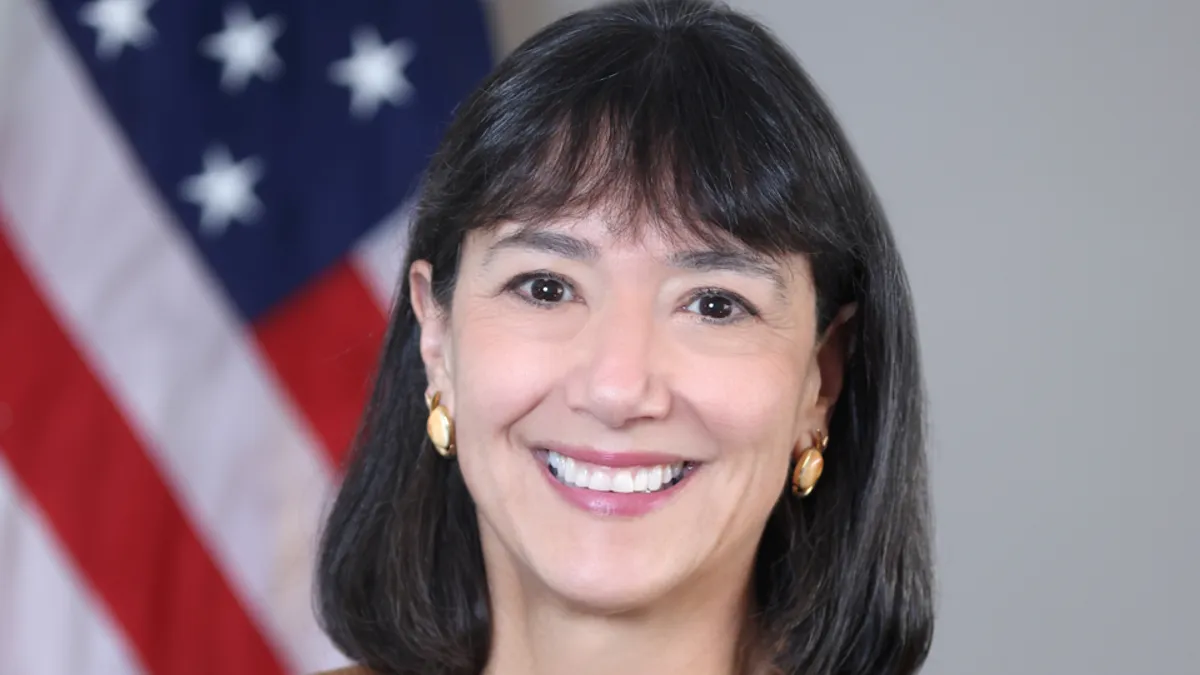
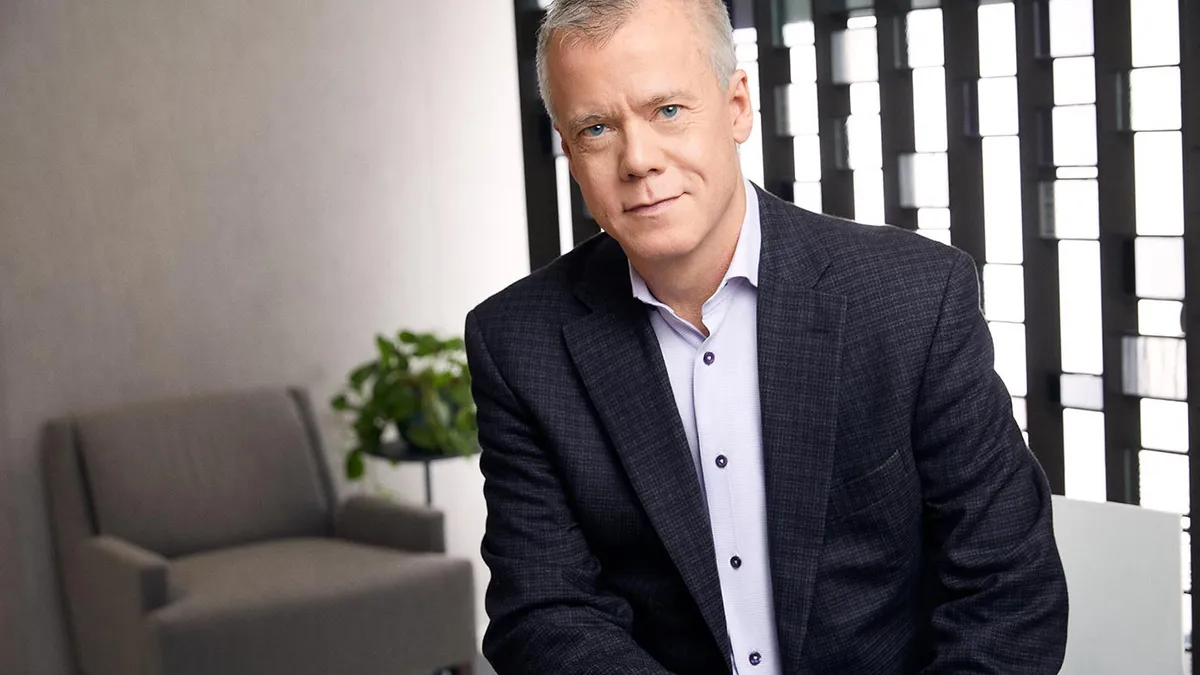
Under the new structure, Dr. Cristian Massacesi will become head of R&D on Jan. 1. Massacesi currently serves as BMS’ executive vice president and chief medical officer. As part of the reorg, Dr. Robert Plenge will step down as executive vice president and chief research officer, but will stay aboard as an advisor through March.
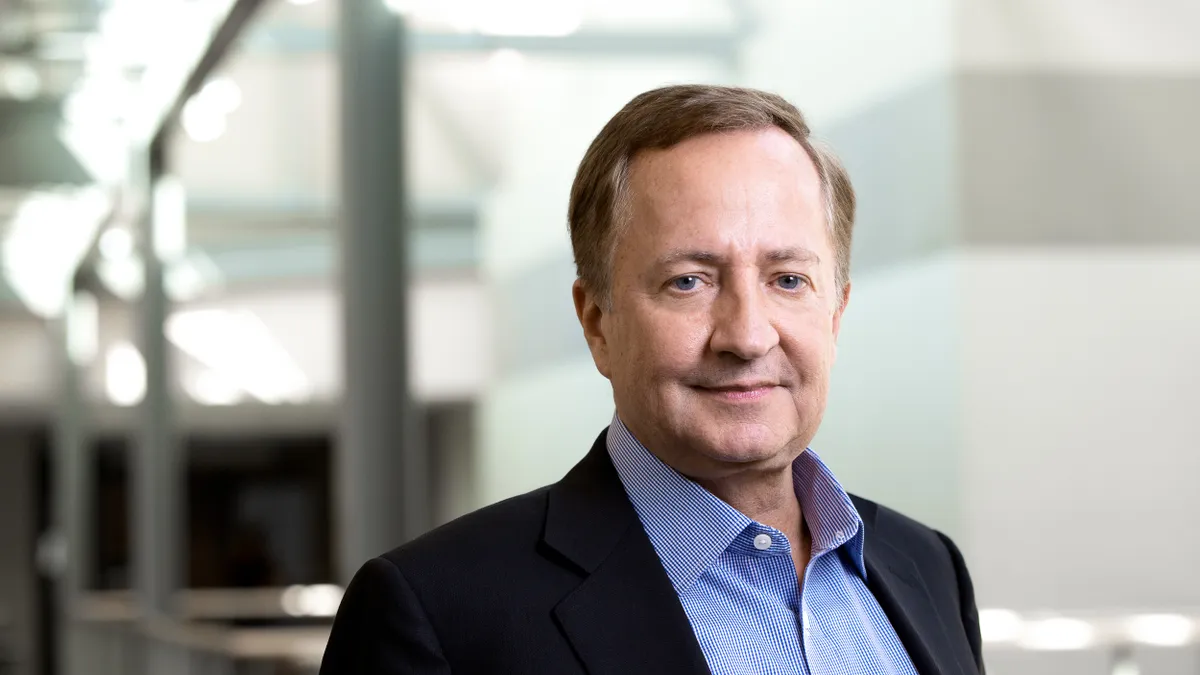
BMS CEO Christopher Boerner sees the new approach as a way to “accelerate decision making and ultimately enhance portfolio execution.”
“Increasingly, traditional boundaries between research and development are collapsing. This combined R&D organization sets us up to attract and retain the best talent, build critical capabilities, and better integrate new technology,” Boerner said in a statement.
The shift comes as BMS awaits major readouts in the coming months.
The large pharma posted an upbeat earnings report in October with third-quarter revenues of $13.1 billion, which beat William Blair’s estimate of $12.6 billion, the analyst firm wrote in a note.
But analysts are also closely watching for new data on milvexian. The experimental oral factor XIa inhibitor is in phase 3 for atrial fibrillation and stroke and is being developed as a potential revenue replacement for its blockbuster drug Eliquis. But in its earnings call, BMS said it is pushing back a key readout for the candidate in atrial fibrillation from late 2026 to early 2027 because event accumulation has been slower than projected.
The long-term fate of the schizophrenia drug Cobenfy is also hanging over BMS.
Cobenfy’s $57 million in third-quarter sales fell below William Blair’s $66 million estimate. The drug is also experiencing delays in the clinic. Amid lagging enrollment and slower-than-expected results in its Alzheimer’s psychosis trials, BMS pushed back its expectations for top-line data in that indication to early 2027.
Like most large pharmas, BMS is grappling with upcoming patent losses and may have been looking for a lifeline earlier this year through a megamerger with AstraZeneca. Although talks about a deal reportedly ended, a merger of that magnitude would have potentially been more of a boon for BMS than AstraZeneca, according to Michael Abrams, managing partner at Numerof & Associates.
“BMS has not done a great job of planning out its portfolio so that they have products in the pipeline to replace the products that are [losing exclusivity] when they need them,” Abrams told PharmaVoice in August. “That puts them at a bit of a disadvantage.”
Now, it’s up to BMS to show its pipeline can deliver on its own.