Biotech’s next IPO wave is taking shape, but the companies lining up are not all approaching the same starting line.
Electra Therapeutics recently set terms for a proposed offering of $325 million at the midpoint of its anticipated pricing, while Adarx Pharmaceuticals has filed without a price range. Elsewhere there are much smaller offerings and corporate carve-outs whose announced plans have yet to become completed deals.
Investors and advisers in recent interviews described a market willing to fund drug development, but demanding evidence of what the next round of capital would accomplish. Jordan Saxe, Nasdaq’s head of healthcare listings, pointed to the need for clinical data and a strong investor base to drum up support for a company. Speaking about IPOs generally in July, Dr. Jim Healy, managing partner of Sofinnova Investments, emphasized building an investor base and analyst following that can buoy a company after its debut.
Andrew Lam, a managing director at Ally Bridge Group, put the discipline more bluntly in July: “They are investing in real drugs and not science projects.” That assessment still holds, Lam said in a recent email, pointing to clinical-stage biotechs in areas of investor interest, including immunology and inflammation, as prominent among companies going public this year.
An IPO, in other words, is not graduation day. It is a public funding round — and the company must explain what the money buys.
These eight IPO prospects offer different tests of which clinical programs investors will finance, how far that money can carry them and what it takes to build lasting public-market support. Disclaimer upfront: These amount to a watch list, not a prediction that all eight will list this year. The company assessments below draw on public filings and company responses, alongside experts’ general market observations.
1. Electra Therapeutics
Electra is the most immediate test. Its September amendment proposed selling about 21.7 million shares at $14 to $16 each, or roughly $325 million in gross proceeds at the midpoint, before any additional shares sold under the underwriters’ option.
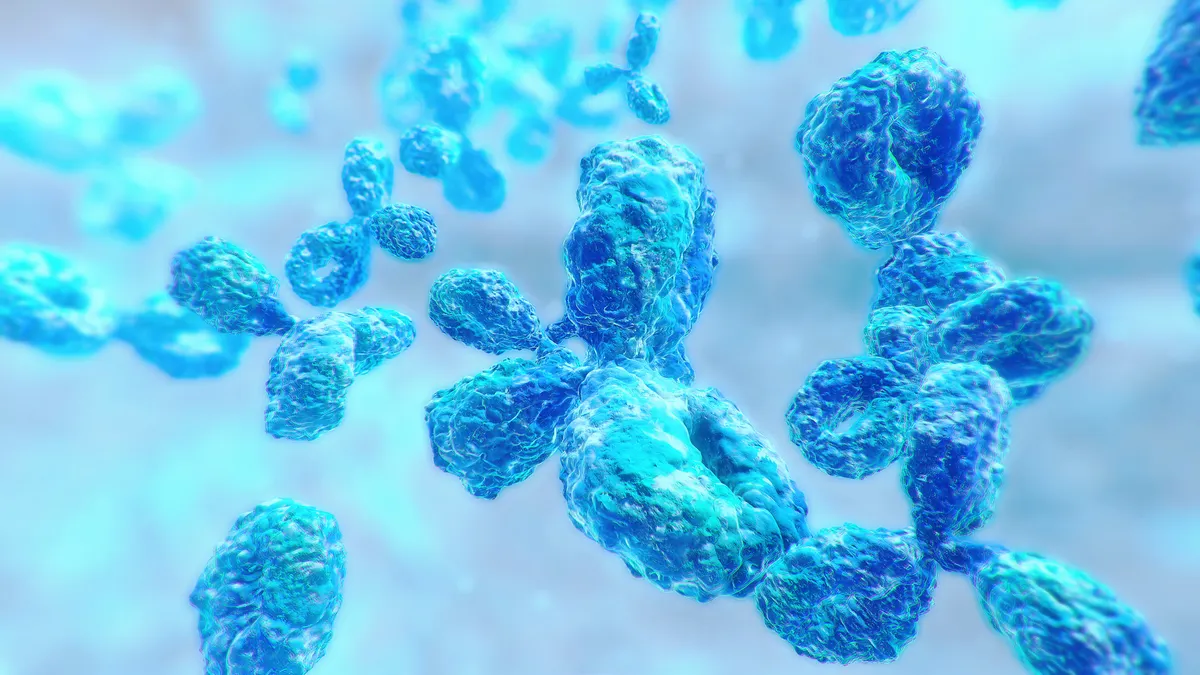
Its lead antibody, ipsoprubart, targets immune cells involved in secondary hemophagocytic lymphohistiocytosis, a life-threatening inflammatory syndrome. The company is running a phase 2/3 registrational program and expects to complete enrollment in the second half of 2027.
Electra says the proceeds, together with existing funds, would support that program through topline results, regulatory submission work and commercial preparation, alongside earlier programs. The test is whether encouraging early human results can hold up in a larger study — and whether public investors will finance the work needed to find out.
2. Adarx Pharmaceuticals
Adarx’s September filing brings a different financing proposition: a pipeline of small interfering RNA therapies that reduce production of disease-related proteins. Its most advanced candidate, onvuzosiran, is in phase 3 to prevent hereditary angioedema attacks, with topline data expected by the end of 2027.
The filing also describes an agreement for AbbVie to buy shares in a concurrent private placement, targeting approximately 4.9% ownership after the transactions, and subject to a $100 million cap. That’s not a commitment to invest the full $100 million and the placement depends on completion of the IPO.
Adarx had not disclosed an IPO share count or price range in its latest amendment. For Adarx, the eventual offering terms will help clarify how much capital it can put behind those programs alongside AbbVie’s proposed investment.
3. Kalohexis
Obesity drugs are the hottest ticket in biotech. That may also be Kalohexis’ problem.
The Illinois startup announced a confidential IPO submission in July without disclosing a size or price range. Its pitch includes an experimental obesity pill and a second drug intended to treat cancer cachexia, the wasting syndrome that causes weight and muscle loss.
In a July interview about the market broadly, Ally Bridge Group’s Lam said crowded categories raise the bar for clinical differentiation. For Kalohexis, the question is what human evidence will distinguish its approach, and how much capital it needs to reach that result. A confidential submission doesn’t establish when a company will go public.
4. NuvOx Therapeutics
NuvOx’s latest amendment filing, submitted Sept. 16, proposed raising about $20 million on the NYSE American to cover a short stretch of drug development. A final IPO prospectus had not appeared in the SEC record reviewed for this story.
The biotech’s lead therapy, NanO2, is designed to improve oxygen delivery to tissue, an approach the company is pursuing across glioblastoma, acute ischemic stroke and acute respiratory distress syndrome. Its July filing reported that patients in a phase 2b glioblastoma trial were in follow-up.
The funding limit is explicit: NuvOx said the expected proceeds would support active and planned trials and preparation for a pivotal glioblastoma study, but additional capital would be needed to complete the future trials required for an FDA application.
5. Tarsier Pharma
Reaching the next trial is one financing challenge. Convincing investors to fund another pivotal study after a setback is another. That is the task facing Tarsier.
The Israeli company is developing a steroid-free treatment for inflammatory eye diseases and plans to use IPO cash to fund another phase 3 trial. Its July SEC amendment proposed roughly $50 million at the midpoint, but a final IPO prospectus had not appeared in the SEC record reviewed for this story.
For Tarsier, the next pivotal trial carries added weight. Its previous phase 3 trial missed its primary efficacy endpoint. The planned trial uses a revised primary endpoint focused on intraocular pressure safety under an agreement with the FDA; that agreement doesn’t guarantee approval.
6. Salspera
Salspera’s IPO filing remains active, the company told PharmaVoice this week, declining to discuss the offering’s details while it is in process. Its March amendment proposed an IPO of about $85 million at the midpoint.
The company’s lead treatment, Saltikva, uses engineered bacteria to deliver an immune-stimulating payload into tumors. The filing said the expected net proceeds would fund a phase 3 pancreatic cancer study and phase 2 studies in osteosarcoma and colorectal cancer.
7. Option Therapeutics
Options’ IPO is on hold pending market conditions, a company spokesperson told PharmaVoice this week. The proposed carve-out from its parent company BioVie centers on BIV201, a formulation of terlipressin for complications of advanced liver disease.
According to Option’s March prospectus, the company had never operated independently, and BioVie would retain at least 60% ownership after the offering.
Its March filing proposed roughly $20 million in gross proceeds, down from about $25 million in January. The spokesperson said the expected proceeds would fund the phase 3 trial through completion. With the offering on hold, that remains a financing goal rather than secured funding.
The proposed carve-out also raises a question of corporate readiness. As IPO communications adviser Kimberly Ha of KKH Advisors explained, going public requires a long build across finance, controls, governance, leadership and storytelling. Alongside the drug’s prospects, investors have to assess whether the company around it can stand on its own.
8. Grifols (The U.S. biopharma edition)
Grifols brings that question of independence to a very different business. The Spanish plasma-medicine maker announced plans in March to take its U.S. biopharma business public. The proposed offering would sell a minority stake in that business, while Grifols would retain majority ownership and its existing listing in Spain.
The company’s stated goals include reducing debt and supporting growth. Its SEC filings describe a potential U.S. company with its own board, management team and governance structure, while Grifols would retain majority control.
For investors, the question is how much financial and operational independence that structure would provide, and how the proceeds and obligations would be divided with its parent. The March announcement did not set an offering size or timetable.