Some of the biggest news and trends captured in PharmaVoice’s newsletter this week. Sign up here to receive the newsletter daily.
Anthropic’s historic IPO bid
Anthropic is moving ahead with plans for an IPO that could become the largest in history.
In an SEC filing ahead of its planned public offering, the company highlighted its work in the pharma arena as one of its most consequential for humanity.
“Anthropic already works with many biotechnology and pharmaceutical companies to improve both basic discovery and clinical trials, from helping pharmaceutical company scientists tackle drug discovery challenges to cutting the time it takes to write clinical trial reports from months to minutes,” the AI company’s Form S-1 filing states.
Anthropic also warned losing control of sufficiently powerful AI systems could become a “global security threat of the first order.”
But when it comes to measuring AI’s downsides, it’s not just about global, doomsday scenarios. Indeed, as more pharma companies use AI tools like Anthropic’s Claude for clinical trial design, new everyday pitfalls in the tech are emerging. This week, we dug into one potential gap in AI-driven clinical trials — incorporating the human, patient experience into protocol design.
Akeso’s big ESMO showing
Akeso is having a big week at the European Society for Medical Oncology meeting, offering 12 presentations for its closely-watched PD-L/VEGF bispecific ivonescimab. In particular, the company has been highlighting phase 3 data for a China-only study showing the treatment outperformed the standard of care in biliary tract cancer.
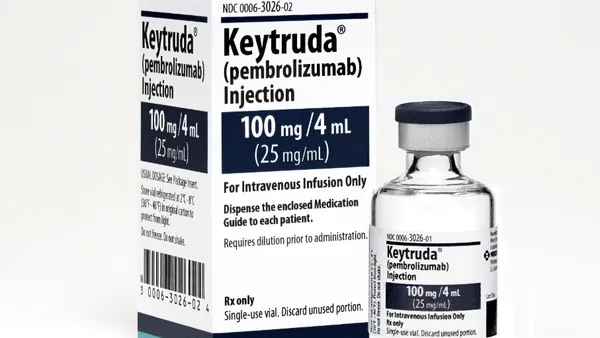
The improvement was modest — the median overall survival on ivonescimab plus chemo was 14.9 months compared to 12.1 months on AstraZeneca’s Imfinzi and chemo. But Akeso pointed to the results as more evidence of the drug’s broad, Keytruda-like potential across various cancers.
There are still major questions hanging over ivonescimab though. Although it’s been approved in China, Akeso’s U.S.-based partner Summit Therapeutics is still awaiting word on an FDA nod in lung cancer.
At the same time, that hasn’t stopped Summit’s valuation from soaring, and it’s not the only biotech worth billions that still hasn’t scored an FDA nod.
This week, we looked at three pre-approval biotechs with market caps in the billions and the questions hanging over those valuations.
Europe’s ‘trade-bazooka’ warning
Europe should prepare to launch a “trade bazooka” at America — all over the Trump administration’s drug pricing threats.
The direct jab from Belgium deputy prime minister Frank Vandenbroucke came as a response to President Donad Trump’s efforts to get European countries to raise drug prices and match them with America.
It also comes in a critical week in American politics and policy for pharma. Few industries know the value of political friendships better than pharma. But with the midterm elections five days away, those relationships are looking less like an insurance policy and more like a complicated balancing act.
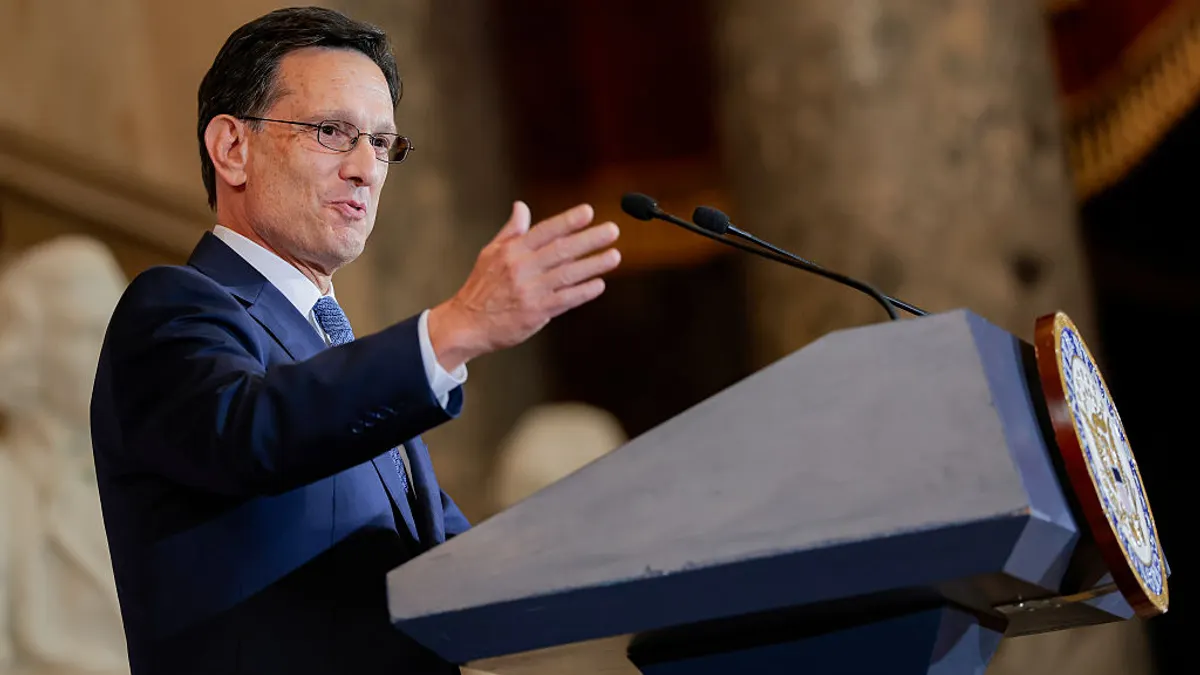
Consider PhRMA. On Sept. 29, the industry’s largest branded-drug trade group tapped former Republican House Majority Leader Eric Cantor as its next CEO. Eight days later, the same organization sued the Trump administration over a Medicare drug-pricing policy.
This week, we dug into where pharma’s political relationships still carry weight, where they fall short and what the industry’s campaign spending can — and can’t — tell us.