Welcome to Biotech Spotlight, a series featuring companies creating breakthrough technologies and products. Today, we’re looking at Orano Med, which is developing lead-212-based targeted alpha therapies for multiple cancers.
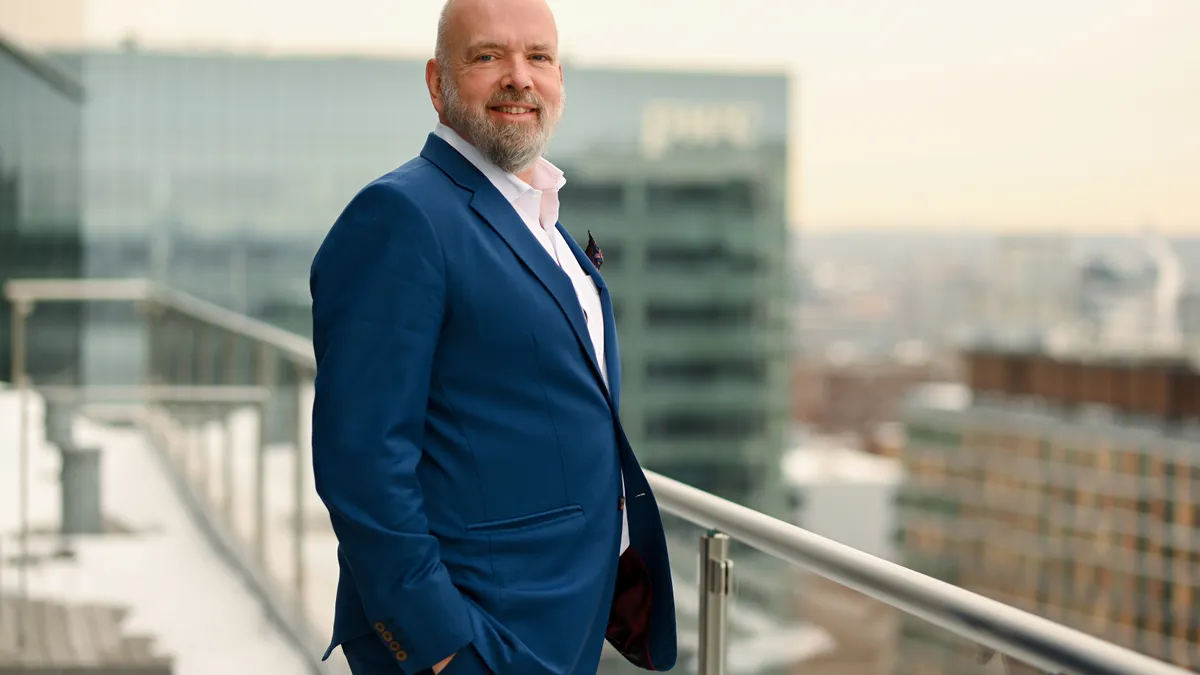
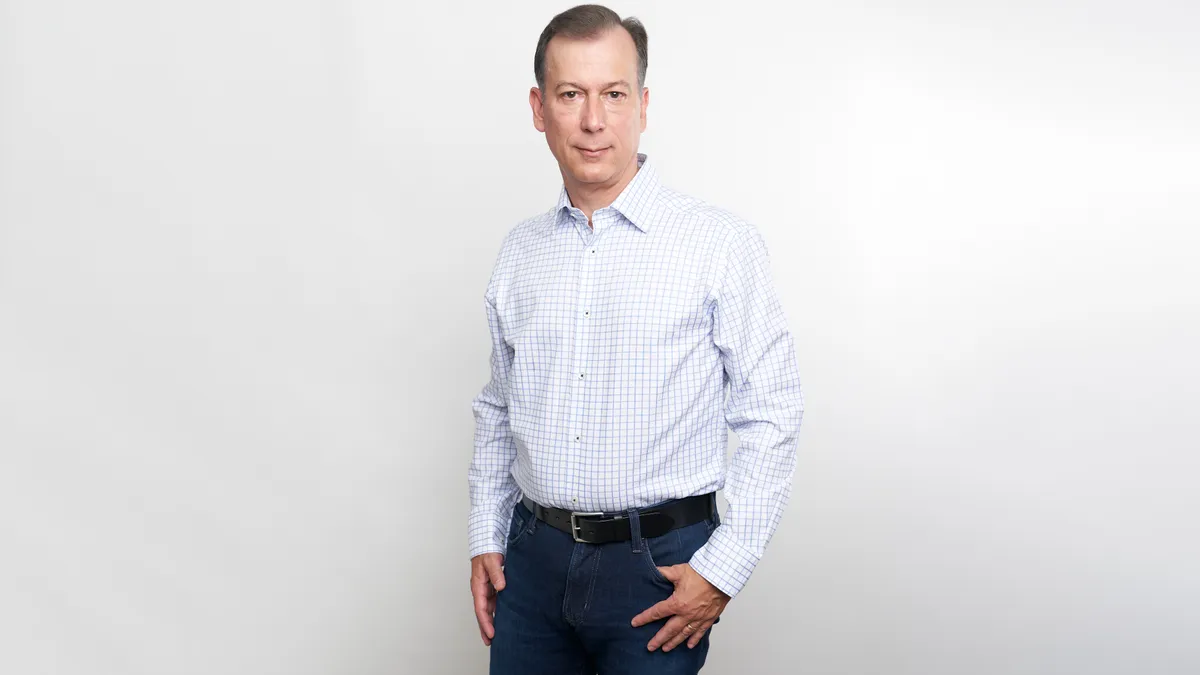
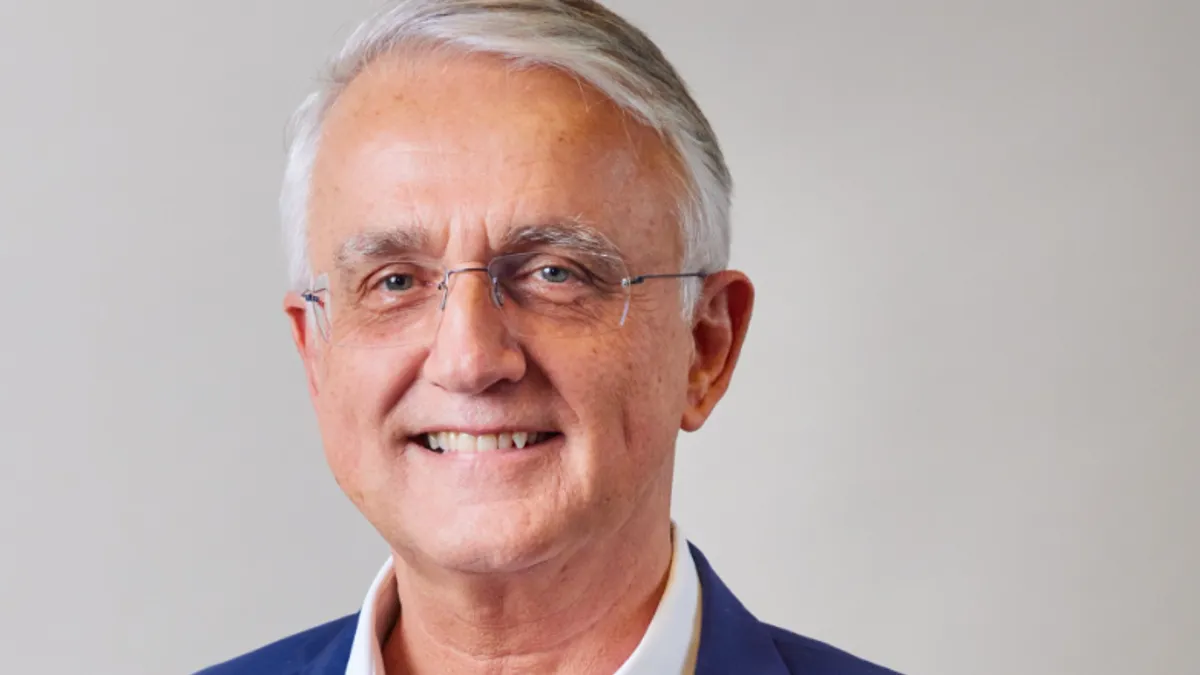
In focus with: Frédéric Desdouits, CEO, Orano Med

Orano Med’s vision: Orano Med has been busy pushing toward its goal of becoming what CEO Frederic Desdouits describes as a “world leader in radiopharma.”
“I think we have a lot to bring to this field,” Desdouits said.
Hitting that milestone will mean overcoming a particularly unique challenge in biotech drug development — extracting a specific radioactive isotope. But because Orano Med is a subsidiary of the nuclear fuel cycle corporation, Orano, the company is better positioned to get its hands on lead-212, the radioactive isotope it’s using in a promising type of investigational cancer treatment called targeted alpha therapy.
Specifically, Orano Med developed a patented, cost-efficient, large-scale method to extract lead-212 and advance both its industrial platform and pipeline of lead-212-based medicines.
The biotech is making progress on other fronts as well.
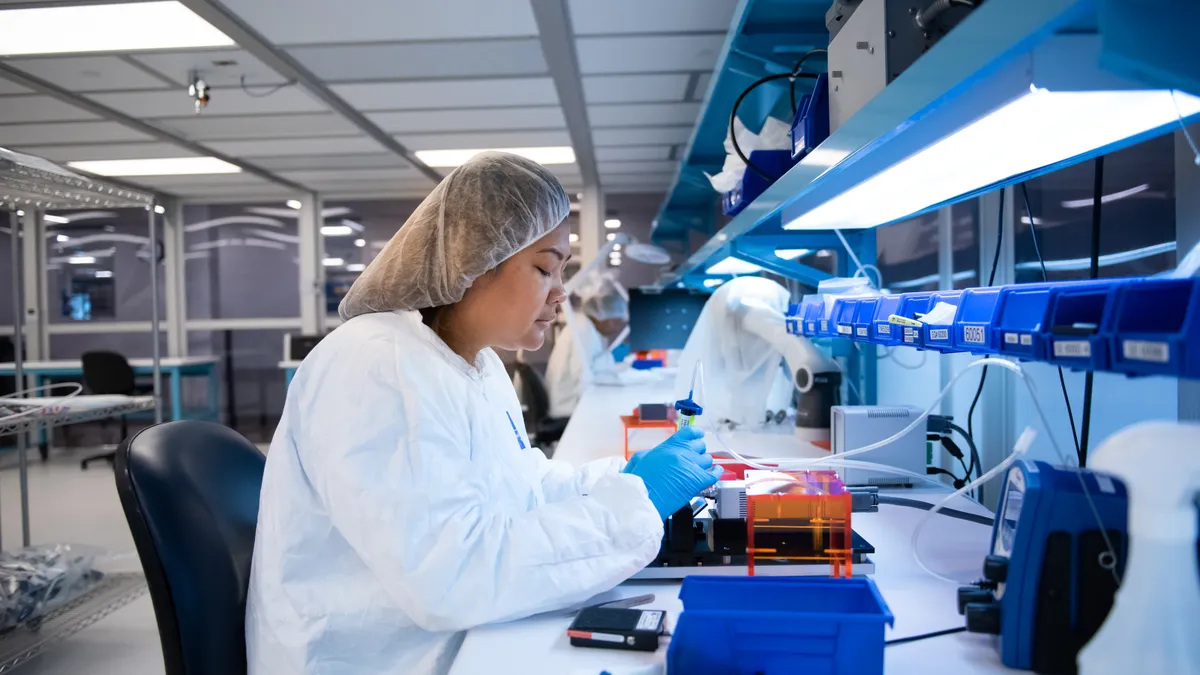
In the past two years, Orano Med has opened a new global headquarters and state-of-the-art R&D labs in France; launched an industrial-scale pharmaceutical facility to produce lead-212-based radioligand therapies; broken ground on an industrial plant to produce thorium-228; and expanded its main R&D center in Texas.
“We have now a platform where we have protein chemistry, we have chelators, we have the clean rooms to produce drugs, we have the control of the lead-212 manufacturing,” said Desdouits, who was brought on as CEO in April. “We have the entire value chain.”
Orano’s partners and pipeline: Orano Med is advancing its pipeline on its own and with R&D collaborators. Its lead asset, AlphaMedix, which Orano Med is developing with Sanofi and RadioMedix for neuroendocrine tumors, demonstrated positive results in phase 2 data reported last year.
Also in the pipeline is a pre-targeted radio immunotherapy treatment for metastatic colorectal cancer it’s developing with Roche, several assets it’s developing with Swiss biopharma Molecular Partners, and candidates in solid tumors and prostate cancer it’s developing in-house.
Why it matters: Lead-212 is notable for its short half-life, binding to a biological vector with a chelator to precisely kill cancer cells with limited toxicity. But it isn’t easy to come by.
Derived from the decay process of thorium-232, an isotope of the radioactive element thorium, lead-212 is “complex” to extract, Desdouits said, and requires access to raw materials to produce it.
“It happens that our mother company, Orano, owns the largest — maybe the only — stock of thorium in the world. Pure thorium,” Desdouits said, explaining that the stock was leftover from Orano’s mining activities decades ago.
“We are the only one today in the world to have access to an unlimited amount of lead-212,” Desdouits said.
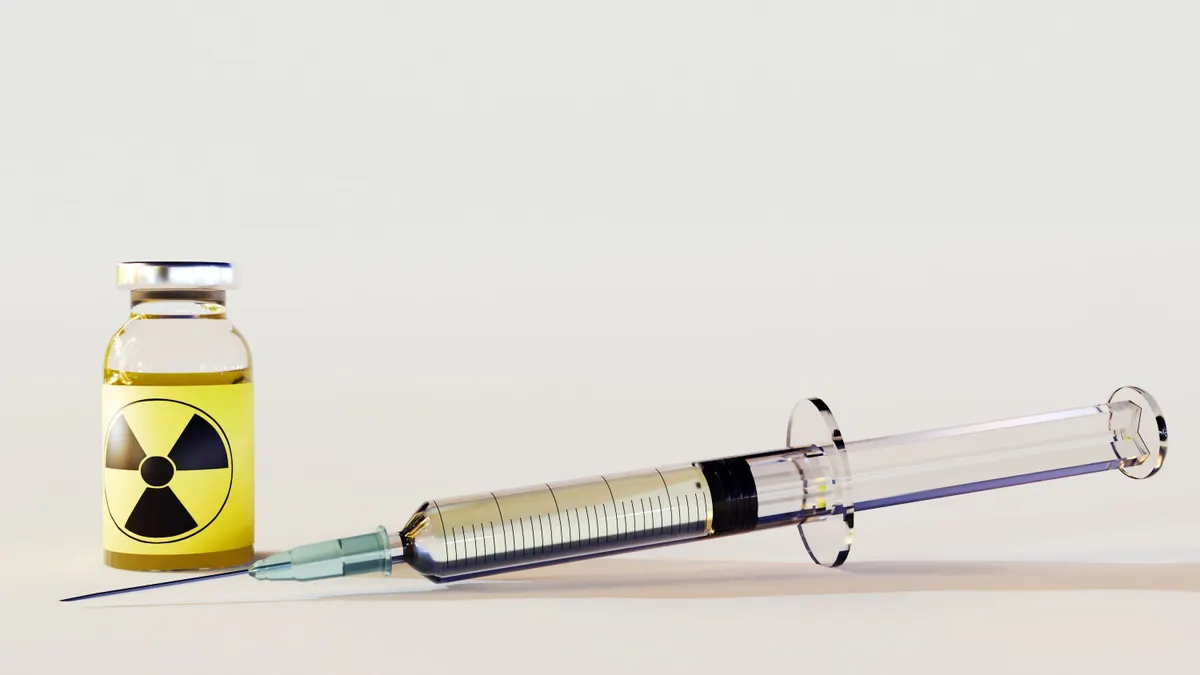
The overall landscape: Targeted alpha therapies are radiopharmaceuticals that use alpha emitters to precisely destroy cancer cells and are now poised for an impactful year in the clinic.
While Orano Med’s pipeline focuses on lead-212, there are other alpha emitters in development and one on the market, Bayer’s Xofigo, which uses radium-223. Other companies, like Actinium Pharmaceuticals, are leveraging actinium-225.
Big Pharma is also seeing potential in the space, including AstraZeneca, which in December inked a 10-year supply agreement for actinium-225 with radioisotope producer Niowave and acquired actinium-225-based biotech Fusion Pharmaceuticals in 2024. Bristol Myers Squibb acquired RayzeBio and its actinium-225 based radiopharma platform in 2024.
Several other startups are also developing lead-212 candidates in oncology, including Perspective Therapeutics and Artbio.
What’s next: In his first months as CEO, Desdouits has focused on ensuring that everyone in the company, from those in manufacturing to staff in the clinic, “understand their contribution to the overall project.”
He also wants to “create value” from the platform by expanding the pipeline, ensuring access to resources, getting support from the medical community and showing “what lead-212 can bring to patients.”
“Everything we do in this company is super high technology,” he said. “I'm very keen on transforming the technology into something that has value.”