Some of the biggest news and trends captured in PharmaVoice’s newsletter this week. Sign up here to receive the newsletter daily.
Sanofi, Regeneron’s rare disease wins
Two drugmakers notched FDA wins this week for rare diseases, but the commercial opportunities awaiting them look quite different.
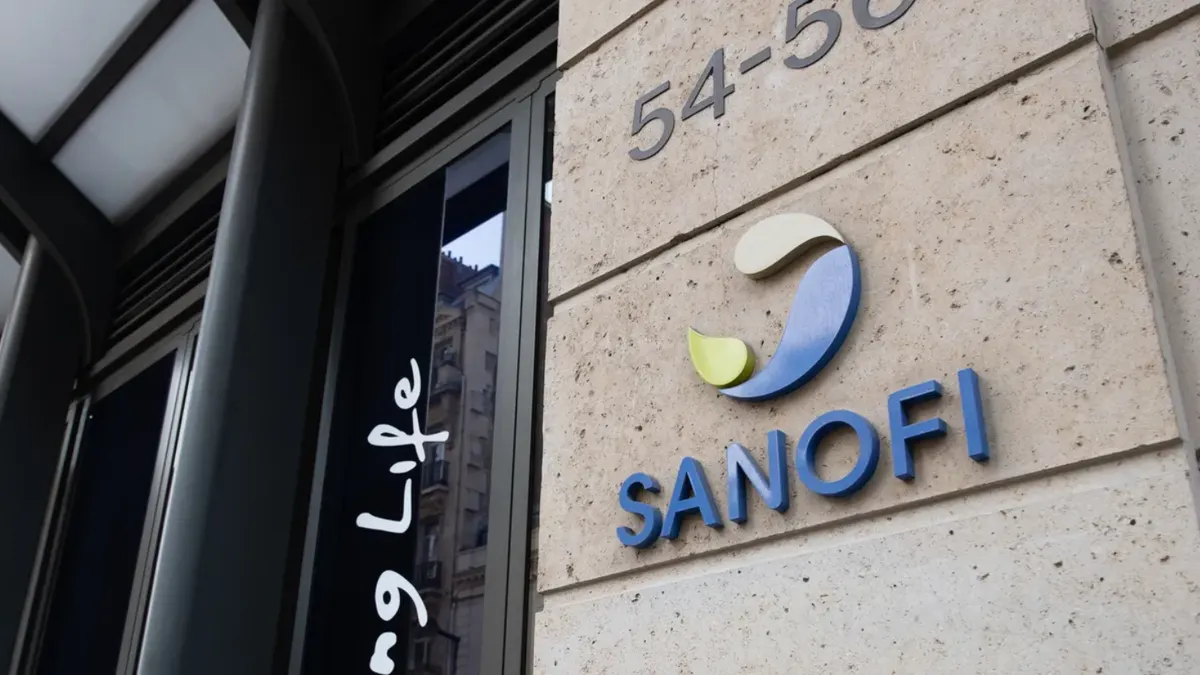
Sanofi secured approval for Infilbray, the first drug to address the neurological symptoms of type 3 Gaucher disease. The pill can cross the blood-brain barrier, reaching parts of the body that existing enzyme replacement therapies couldn’t effectively treat.
Meanwhile, Regeneron’s newly-approved treatment for generalized myasthenia gravis, Livsayis, is entering a market with multiple approved drugs. One potential selling point for Livsayis? Patients only need four injections a year.
Both drugs are scientific firsts in their respective diseases. But there’s an important distinction between being the first to address a clinical need and finding a better way to address one.
This week, we looked at three standout drug launches of 2026, what set them apart and how their commercial strategies could fare in the year ahead.
Lilly’s dealmaking dance
Eli Lilly’s dealmaking streak isn’t letting up.
The large pharma announced a multi-target, multi-modality cancer research deal with Stipple Bio valued at up to $5.9 billion on Monday. The same day, news broke that Lilly had also agreed to buying the startup Calytrix Bio, which is developing rare blood cancer treatments, for up to $1.5 billion. The deal marked Lilly’s 15th announced acquisition of the year.
While it makes big moves in cancer, more safety concerns are bubbling to the surface around the weight loss drugs that helped fill Lilly’s M&A coffers. Earlier this month, the FDA slapped a new safety warning on GLP-1 drug labels, after they were linked to a rare eye condition that can cause permanent vision loss or blindness.
Other strange side effects — such as hair and nail loss — have been reported as well. This week, we dug into the challenges the agency could face in determining if GLP-1s are to blame for those various effects.
A moonshot in AI
Coding is out and biology is in. At least that’s what an executive at Moonshot AI, one of China’s largest AI companies, recently said at an industry summit.
Moonshot is prepping for an IPO on the Hong Kong exchange and has been valued at about $50 billion, according to the Wall Street Journal. At the same time, the company is planning to pivot its AI models away from areas where the technology has hit its peak, like coding, and toward scientific horizons in chemistry, biology and drug R&D.
Of course, competition from other AI giants like Anthropic will be waiting in the drug development world. And the adoption of these AI tools is also posing a host of new challenges that pharma companies are still sorting out.
This week, we looked at why one expert described pharma’s AI governance situation as a “Wild West” and the impact that’s having on the industry.