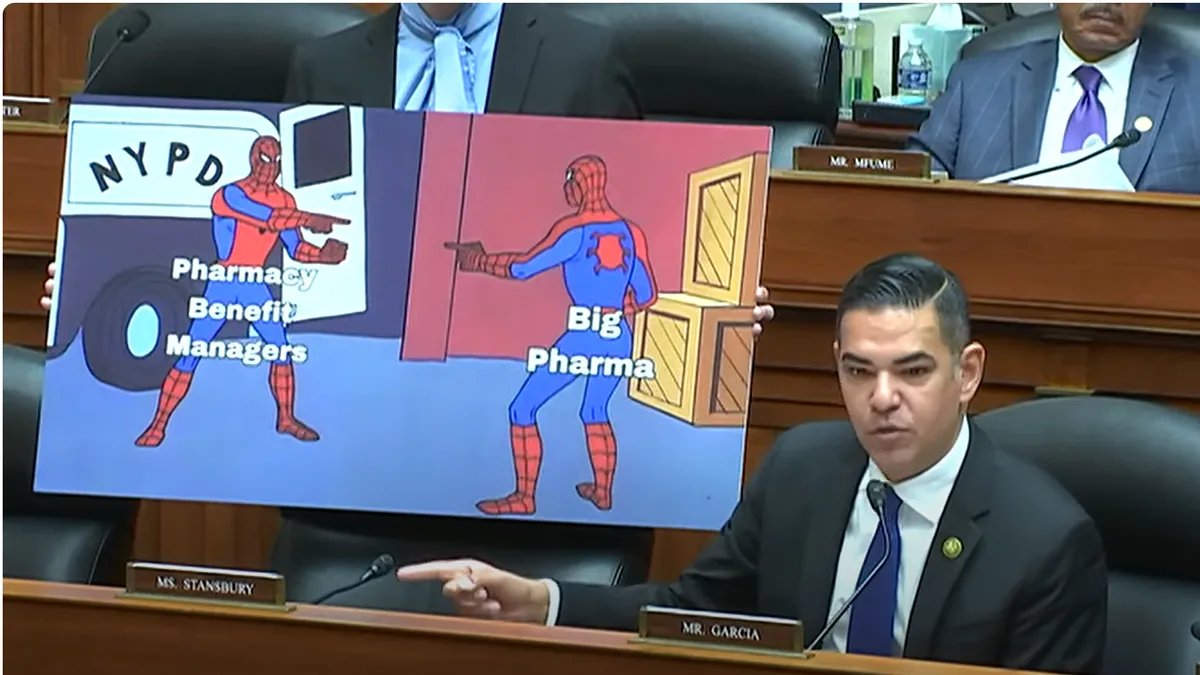
For over a decade, pharmacy benefit managers have been in the hot seat, absorbing the bulk of Washington's bipartisan scrutiny over rising prescription drug costs. Now, the pricing pendulum is swinging back in pharma’s direction.
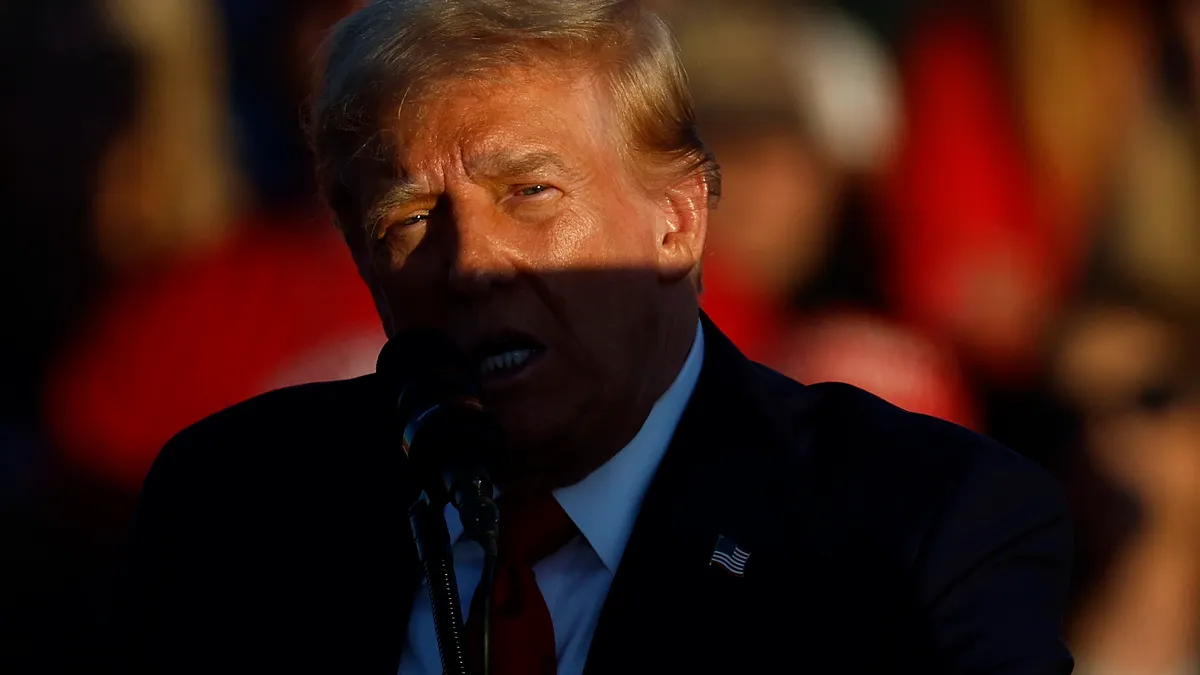
Sweeping reforms in the Consolidated Appropriations Act of 2026, signed into law by President Donald Trump earlier this month, included changes that could upend the traditional PBM model, while also turning attention back to drugmakers.
As the intermediaries between drugmakers, insurance and pharmacies, PBMs have historically relied on rebates and fees tied to list prices to churn out billions in profit.
Under the new legislation, PBMs will no longer be allowed to receive any form of compensation linked to those prices, forcing a shift toward true value pricing. By Aug. 3, 2028, PBMs will be required by the CAA to pass through 100% of manufacturer rebates, fees and discounts to plan sponsors.
The new law also gives the Centers for Medicare and Medicaid Services sharper teeth to enforce the regulations with nearly $190 million in funding. This would provide the agency the authority to arbitrate disputes between pharmacies and PBMs, oversee rebate pass-through compliance and audit fee structures across the supply chain.
The PBM overhaul has the potential to broaden transparency and dismantle the financial framework that gave rise to the notorious “rebate trap,” which drugmakers and PBMs have used for years to point fingers over rising drug costs.
A new target
With PBMs' bargaining power facing stricter limits under the new reform, questions surrounding pricing could shift in a new direction.
"Be ready for the spotlight to swing back to drug manufacturers," said Jesse Dresser, a partner in law firm Frier Levitt's life sciences department and head of its pharmacy practice group.
As PBMs lose traction in the coming years, the pressure on drugmakers to justify their own list prices could intensify.
"Now, the argument is going to be that PBMs have been handcuffed, limiting their ability to use some of these abusive tools," Dresser suggested. "So, it's going to be up to the drug manufacturers to make sure they're taking the appropriate steps and not continuing in the old paradigm now that there should be a shift in financial incentives."
The Inflation Reduction Act adds to that pressure, especially when combined with the new PBM provisions. The two laws should work hand in hand to create true value-based negotiated prices rather than those that are tied to perverse financial incentives, Dresser said.
"The laws remove the excuses on both sides to get to a more rational drug pricing paradigm than the one we've had for the past 20-plus years," Dresser said.
The biggest change for drugmakers will be restructuring their PBM contracts because any fees tethered to list prices or percentages will no longer be allowed once the new rules kick in.
That means manufacturers need to start defining what that will look like after the initial run-out period, Dresser said. They need to decide how, if at all, PBMs will be compensated and what concessions they're willing to make in an environment where list prices are no longer inflated by PBM pricing practices.
Currently, drugmakers negotiate with PBMs not just on the net price of their drugs but also on a range of service fees, including administrative, data and formulary placement. These fees are often negotiated either directly with the PBM or through PBM-affiliated rebate group purchasing organizations and aggregators, with many of them tied to the initial list price of the drug. The new law would put an end to that.
"Percentage-based fees will have to change," Dresser said. "They will have to become bona fide service fees tied to the fair market value for services performed and can't be tied to the list price or vary in that way. They have to be flat-rate fees."
This move will change how pharma companies negotiate with PBMs, reshaping how rebate dollars are handled and how money flows between the two parties, Dresser said.
"This is where the proponents of the law are hoping to see change," Dresser underscored. "Since PBMs will no longer be financially incentivized to drive up the list price of the drug in exchange for higher rebates or fees, there should be a market reset on drug price increases.”