Some of the biggest news and trends captured in PharmaVoice’s newsletter this week. Sign up here to receive the newsletter daily.
Novo scores an FDA win
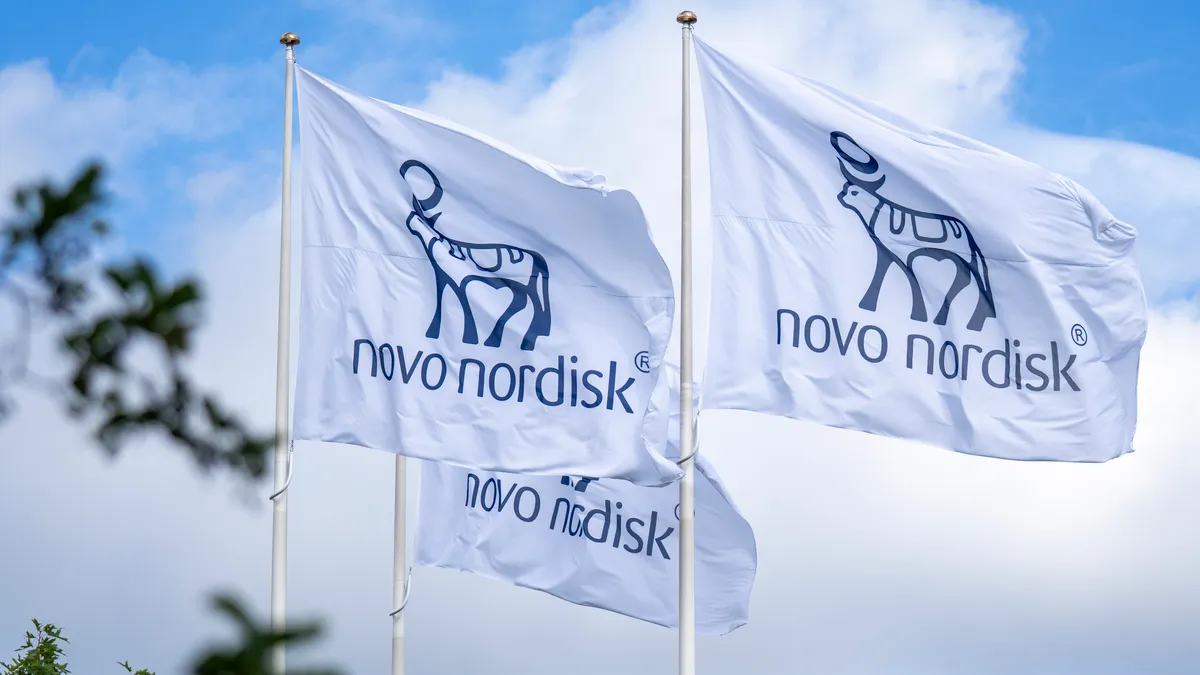
Drugs in the FDA’s new review voucher program have been on a roll. Novo Nordisk scored the program’s fourth approval last week when the FDA OK’d its higher-dose version of Wegovy.
But the Commissioner’s National Priority Voucher program has also picked up plenty of detractors. Unveiled last year with the aim of shrinking review timelines to a few months for drugs in the country’s “national interests,” the details of the program and who wins a voucher remain “shrouded in secrecy,” according to one lawmaker. With Congressional pressure mounting on the FDA to provide answers, the agency will host a public meeting on the program in June.
The voucher program is one of several regulatory factors causing unpredictability through the industry, including orphan drugs. This week, we looked at the outlook for the orphan market and the challenges drugmakers are up against in the years ahead.
Biotech’s gender gap
Pharma’s brain drug resurgence is showing no signs of abating. In one of the largest fundraising rounds so far this year, Slate Medicines pulled in $130 million as VCs lined up to back its novel migraine candidate.
CNS R&D has also set the stage for major deals in recent years, including J&J’s $14.6 billion acquisition of Intra-Cellular Therapies, a specialist in schizophrenia and bipolar medications.
But that particular match-up was also notable for another reason — it was one of the largest pharma deals last year involving a female CEO. Sharon Mates, who founded Intra-Cellular in 2002, led it through multiple milestones, including a drug approval and its big-time deal with J&J.
Female representation among biotech CEOs remained stubbornly stagnant last year as women continue to struggle with barriers to leadership growth. This week, we dug into the reasons why and a new initiative aimed at bridging the gap.
AI’s clinical headway
Two of the strongest forces in pharma right now — AI and China’s biotech sector — just collided in one whopper of a fundraising round.
Earendil Labs recently hauled in $787 million from various investors, the AI-centered drug developer announced Friday. Although it’s incorporated in Delaware, Earendil has offices in Beijing and links to Chinese venture capitalists through its affiliate, Helixon Therapeutics. Several biotech bigwigs participated in the fundraising, including Luminous Ventures, Biotech Development Fund and Sanofi, which struck a licensing deal with Earendil in the autoimmune space last year.
Earndil says its AI platform has produced “more than 40 programs” across multiple therapeutic areas.
While AI’s promise generates excitement in the biotech sector, the technology is also making an impact in clinical trials. This week, we looked more closely at how AI is changing drug development.