CEO departures often send a signal of uncertainty in the market.
Shares recently dipped for three pharma companies — Alkermes, Bavarian Nordic and Sarepta Therapeutics — after they each announced their respective long-time chiefs were stepping aside.
But a change in course could also help them overcome short-term market bumps and achieve longer-range aims.
While some of the CEOs cited personal reasons for their upcoming departures, their companies are also at critical junctures. Now, for two of the companies, the hunt is on to replace them.
Here’s a look at the recent CEO splits and what’s at stake for each company.
After a takeover flop, Bavarian Nordic turns the page
Danish vaccinemaker Bavarian Nordic notched several wins during Paul Chaplin’s 12-year reign as CEO.
The company’s mpox vaccine Jynneos became a key player in preventing the disease during a 2022 U.S. outbreak. With trials ongoing in different patient populations, its use could potentially expand.
Bavarian also scored the first-ever FDA approval last year for chikungunya vaccine in patients as young as 12 years old.
In a preliminary earnings report last month, Chaplin noted that its travel health business grew by 30% over 2024.
Last year almost marked a dealmaking triumph for Chaplin. Following negotiations with private equity firms Nordic Capital and Permira, Bavarian agreed to a $3 billion buyout plan that Chaplin said would help trigger growth for the company’s “unloved” assets. But it wasn’t meant to be — shareholders ultimately blocked the deal in November.
Earlier this week, however, Chaplin said he was planning to step down because his family “wants to relocate back to Australia,” but he intends to remain at the helm until the company secures his replacement.
Separately, a Bavarian chairwoman stated that the time could be right to bring in a CEO with a new set of skills and a fresh take on the company’s strategy going forward.
Sarepta’s bumpy ride continues
Sarepta carved out its biotech niche in the rare neuromuscular and CNS disease space. Now, in a “shocking and certainly ironic twist of fate,” the company’s long-time CEO Doug Ingram is stepping down after learning that two close family members have been diagnosed with a form of muscular dystrophy, he told investors last week.
The news marked another potential bump in the road for Sarepta, which is navigating a string of challenges and controversies.
Ingram took the company’s helm in 2017 on the heels of Sarepta’s first FDA nod. The exon skipping therapy Exondys 51 was heralded as the first disease-modifying treatment for Duchenne muscular dystrophy, but also emerged from a contentious FDA review process that included disagreement over its approval.
Sarepta marched on in the DMD space with mixed results. Although the company won two other approvals for DMD exon skipping therapies, it abandoned R&D on a more potent version of Exondys 51 following a risk–benefit analysis.
Its gene therapy for DMD, Elevidys, has meanwhile been mired in difficulties. Last year, the company stopped shipping the treatment following several patient deaths. Although it has since been reinstated on the market, Elevidys sales tumbled in the fourth quarter of 2025 to $110 million after notching $131 million in Q3.
Company revenue will likely remain flat or fall by up to 15% in the first quarter of this year, Ingram said.
Ingram plans to retire by the end of the year and told investors the company is looking for both internal and external candidates to replace him.
“Whoever we ultimately choose to be the successor CEO, I am confident [they] will be a person that can drive our plans, can speak as a leader to this great team, and can get the most out of an exceptional team,” he said.
Alkermes sets the stage for new moves in neuroscience
Alkermes is on the cusp of making big waves in the sleep disorder space.
The company is locked in a race with Takeda Pharmaceuticals to bring the first orexin-targeting therapy to market for narcolepsy, heading into phase 3 trials this year. But it will approach the potential landmark with a new leader.
The company’s long-time CEO Richard Pops is retiring by the end of July, it announced last week. Alkermes’ Chief Operating Officer Blair Jackson has been tapped to take the company helm.
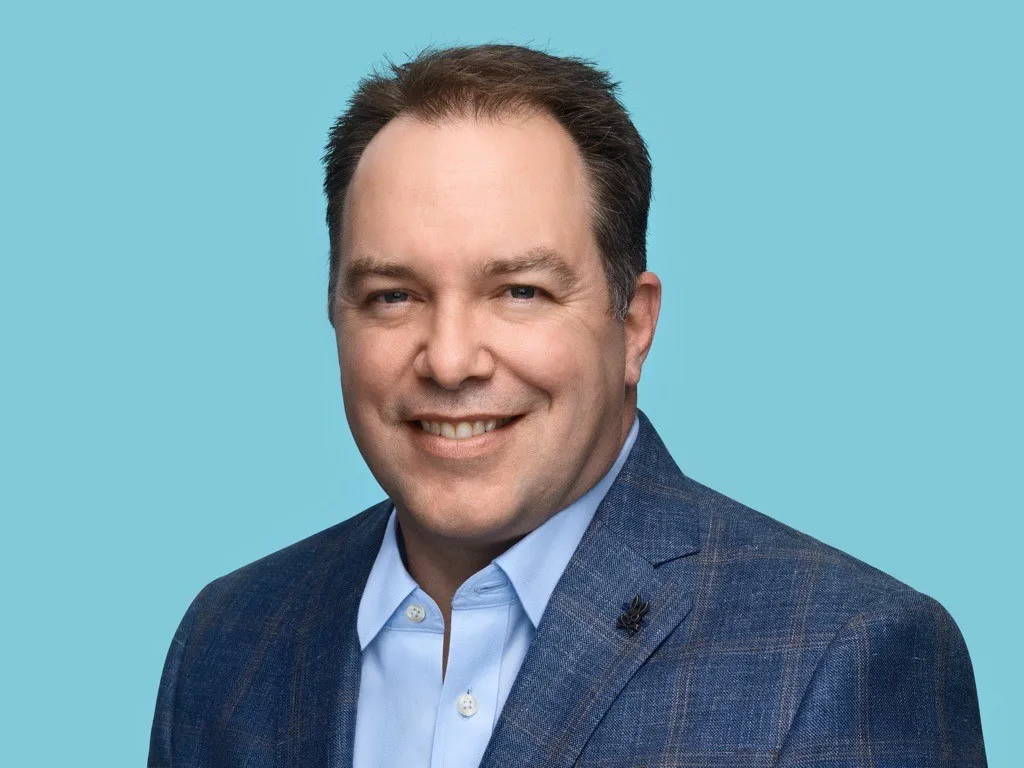
Pops’ 35-year tenure with Alkermes was marked by significant growth, the company said. Under his leadership, Alkermes blossomed from a small-time biotech with 20 employees to a commercial pharma company that staffs more than 2,000.
Although its weathered setbacks, including an FDA rejection in 2019 for a schizophrenia drug, Alkermes won approvals for four proprietary treatments to treat substance abuse and psychiatric conditions.
The company’s board framed Pops’ departure as part of a careful transition plan.
“The board engaged in a thorough and rigorous succession planning process,” Andy Wilson, lead independent director of the Alkermes’ board, said in a statement. “With his broad skill set and deep knowledge of the business, we are confident that [Jackson] is the right leader to guide Alkermes into its next chapter of growth and impact.”
Although Takeda will likely reach the narcolepsy market first with its orexin drug, Alkermes’ once-a-day formulation could ultimately be an edge, Jackson told PharmaVoice last year. And orexin’s link to several neurological conditions might give the drug broader potential down the road.
“What we’ve heard from analysts is that there are only a couple of key mechanisms on the market that provide this level of upside,” Jackson said.