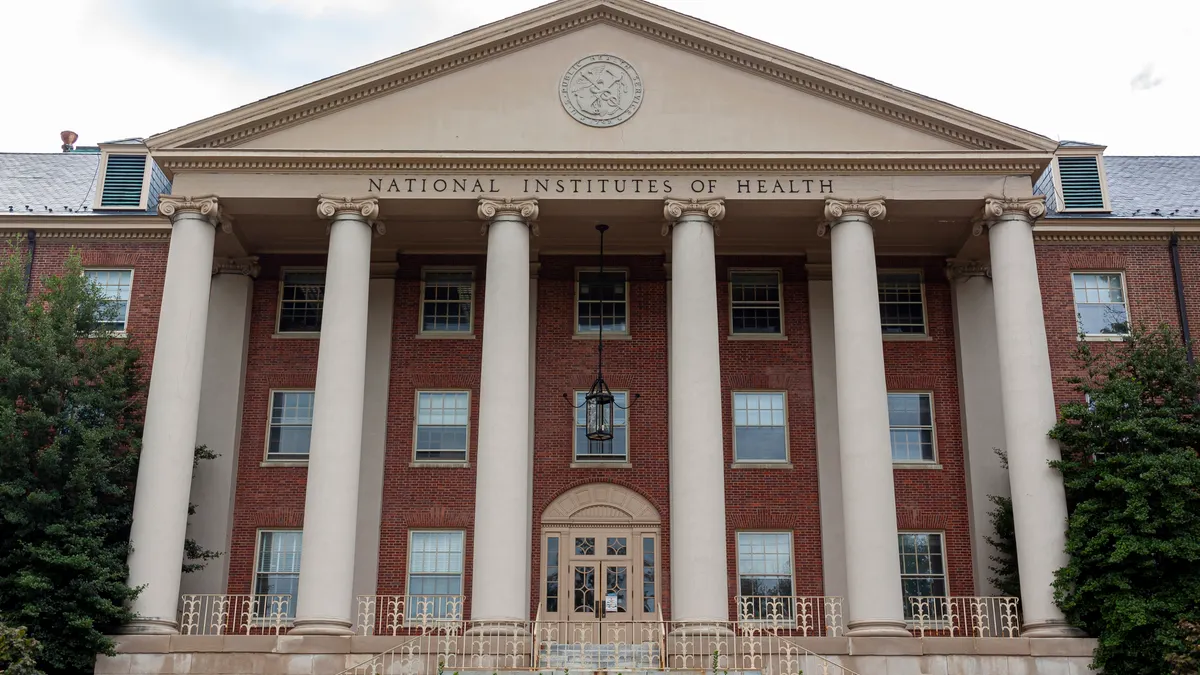
When the FDA rejected Biohaven’s application for a rare disease drug in November last year, senior medical director Dr. Melissa Beiner was baffled by what she saw as contradictions coming from the U.S. regulatory agency.
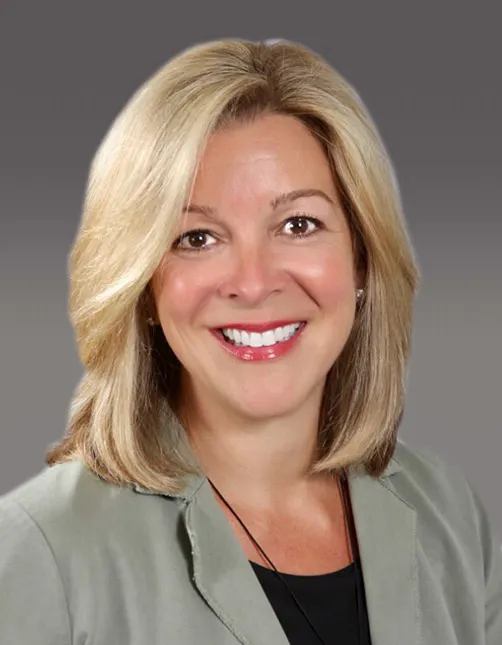
The mid-sized biotech received a complete response letter for its spinocerebellar ataxia drug troriluzole following a three-month delay and a cancelled advisory committee meeting, dealing a major blow that led the company to cut R&D spending by more than half and tying the drug up in a lengthy appeals process that still continues.
Beiner said the rejection underlined a lack of regulatory insight into the development and marketing approval process for rare diseases.
“Rare disease in general has been a field that has not received enough attention for decades, and we're still in a position where 95% of patients living with a rare disease have no treatment options,” Beiner said.
The renewal this month of the Rare Pediatric Disease Priority Review Voucher program as well as efforts to increase flexibility for rare disease approvals have been well-intentioned, but they fall short of providing the support needed to bring rare disease drugs to market, Beiner said.
“I applaud the discussions in the last year about being open to real-world evidence and exercising broadest flexibility because, at the end of the day, the FDA, Congress, academics, industry and most importantly patients are all on the same page,” Beiner said. “We want to bring effective treatments to patients, but the problem is we haven't seen that translate into action.”
Empty promises?
Despite endeavoring to make real-world evidence and external control studies part of the accelerated process of approving rare disease drugs, the FDA in Biohaven’s case cited potential bias that clouded results showing troriluzole’s effectiveness. Biohaven, at the time, said these issues exist in any study using real-world evidence and that the agency wasn’t clear about its parameters.
The regulatory setback was that much more frustrating to Beiner and her team because, while there is no cure and the only available treatments manage symptoms, the clinical trial demonstrated that troriluzole slowed SCA disease progression by as much as 70% compared to untreated external controls, keeping patients from being confined to a wheelchair.
“The safety of this drug has been tried and true for a very long time and has not been in dispute by the FDA review team at all,” Beiner said. “But it would be great for there to be some significant guidance and some significant oversight that ensures that every NDA in the rare disease space gets an equal and fair review and takes into account that this is very critical.”
These incongruities aren’t new in the rare disease space, Beiner said, noting that patients often pay the price.
“For a very long time, there have been inconsistencies in which new drug applications in the rare disease space get approved and which do not,” Beiner said. “Why should patients’ lives hang in the balance and be dependent on which review team and which division is reviewing their new drug application?”
She said the benefit–risk profile of drugs in the rare disease space tends to be overlooked in some cases, which leads to frustration on the part of drugmakers, especially when it’s accompanied by a lack of communication.
“Part of the problem is, once an NDA is under review, the process is not collaborative,” Beiner said. “You don't get to go in and have discussions with them.”
Having expert testimony at an advisory committee meeting is critical to the rare disease regulatory process because there are often so few experts for some of the diseases with a small patient population. In the last year, the FDA has cut back on these meetings, pulling Biohaven’s from the docket after it had already been granted.
Expert voices have been silenced by these changes, said Dr. Patricia Greenstein, a neurologist and assistant professor at Harvard Medical School who has treated patients with SCA for three decades and has no financial ties to Biohaven.
“I don't understand why the FDA can't come together in a spirit of collaboration and say, ‘This is the United States of America, and we want to help these people,’” Greenstein said. “Yes, it’s not a cure, and no, it's not perfect — science never is — but can we come together and find a way forward?”
Politics in play
Despite rare diseases getting a lot of attention from politicians, efforts have largely been toothless in areas where they’re needed most, Greenstein said.
“My biggest fear is that some politician will grandstand and go on his own little trip, and they won't get to the core of the problem, which is that it's a rare disease, and we have eight years of history that the medication works, certified by a lot of experienced people in North America and patients,” said Greenstein.
Greenstein told the story of a single mother with SCA who is able to raise her three children and “live a normal life” when receiving troriluzole.
“There is an ethical concern that the delay or the intransigence will place us in an ethically bad place where I have to now withdraw a medication that works, that is helpful, that is life changing to a patient, because of a bureaucrat,” Greenstein said.
For the FDA, approval of drugs like troriluzole for patients with no alternatives should be a no-brainer, she said.
“If the FDA wants to look at it in terms of economics, you’re keeping people in the workforce, off Medicaid,” Greenstein said. “You can’t compare that with the cost of approving the drug.”
Greenstein looks at treatments that have been approved in neurology, like Alzheimer’s disease treatments Leqembi from Eisai and Biogen or Kisunla from Eli Lilly, that she said are far less effective and much more costly.
“They will approve these drugs, and the patient doesn’t get any benefit for maybe two or three months, and they bleed in their head, and they withdraw from the study with just as much disease, all at thousands of dollars per infusion,” she said.
On the other hand, the FDA “has been brilliant” when it comes to efforts like Operation Warp Speed for COVID-19 vaccines, Greenstein said, and so there’s hope the agency can come around.
“It’s not that they can’t wrap their heads around this,” Greenstein said. “They just have to look at it like a problem without the politics.”
Progress isn’t moving at the speed it should for the sake of rare disease patients, Beiner said.
“I applaud the FDA for refining these guidelines and working toward a common path forward for rare disease,” Beiner said. “But it is not fast enough, and that is where the experts and the patients have to weigh in, because we cannot.”
Greenstein suggested the lack of clarity could affect the future of rare disease innovation.
“Why should any company invest in rare diseases if this is going to be the path?” she said.