


As cancer incidence rises globally, including within the Sikh community, clinical research becomes increasingly essential for improving outcomes; yet participation among underrepresented populations remains low due to limited awareness and cultural or language barriers. Clinical trials provide access to innovative therapies, often unavailable outside research, along with closer monitoring and potentially more cost-effective care. Despite these benefits, disparities in clinical research awareness persist.
Sikhs In Clinical Research (SICR) is a community-driven initiative focused on raising awareness of clinical research, disease education, and health literacy. SICR has conducted over 50 health and research awareness campaigns across more than 15 states in the U.S., engaging the Sikh community through culturally and linguistically tailored outreach. Through these efforts, a concerning pattern emerged. Along with low awareness of clinical trials, cancer is often spoken about in whispers, if at all. Families struggle privately, delay care, and stigma shapes critical decisions. Silence, as these stories show, can be as dangerous as the disease itself.
To better understand these patterns, a mixed-methods assessment was conducted, combining survey data with patient interviews to explore awareness and factors influencing healthcare behaviors.
SICR conducted a health survey among 400 U.S.-based community members, including 24 individuals with a cancer diagnosis. Clinical trial awareness was assessed within this group of 24 people. Participants were engaged through community outreach efforts. In addition, interactions at the awareness booths, along with personal interviews captured experiences related to cancer awareness, screening, treatment decisions, and perceptions of research.
Survey findings revealed significant gaps in awareness, with 90% of cancer patients reported they had never heard of clinical trials as a treatment option. Many associate research with risk or experimentation. However, patients familiar with trials emphasized benefits such as access to advanced treatments, frequent monitoring, and reduced financial burden.
One patient described how early detection through additional testing conducted in a clinical trial procedure identified an abnormal protein, leading to timely treatment and recovery. They emphasized that such interventions were possible because of prior research participation and advocated for early action rather than delayed care. They also highlighted the importance of representation in research to ensure treatments are safe and effective across populations.
Interviews also revealed challenges around screening. One patient shared that her first mammogram raised concerns within her family, who believed screening was unnecessary without symptoms. Another breast cancer survivor credited routine screening for saving her life and stressed that delaying screening can be life-threatening, particularly with a family history.
Self-advocacy emerged as a key theme. Patients emphasized asking questions, seeking second opinions, and taking ownership of their health. One survivor stated, “It is your body, and you have to be your own advocate.” Resilience and community support were also critical, with patients highlighting the role of mindset and support systems in navigating illness.
These findings highlight the need for culturally tailored health and research awareness campaigns. Providing information in native languages, engaging trusted community spaces, and addressing misconceptions can improve accessibility and trust.
For industry stakeholders, this is a call to move beyond traditional recruitment models and invest in sustained, community-based engagement strategies that prioritize representation and trust. By partnering with community-led organizations and normalizing conversations around health and research, we can reduce disparities, increase participation, and ensure that medical advancements benefit all populations.
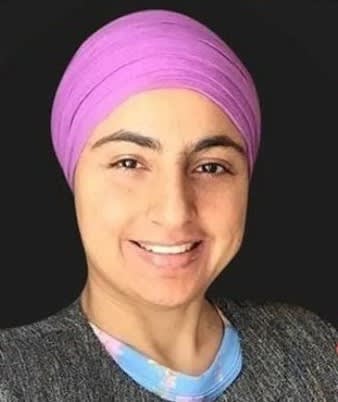
Ekta Grewal, the Founder of Sikhs in Clinical Research (SICR), is driving health equity, education, and patient advocacy through awareness programs. Under her leadership, SICR has hosted numerous health and research awareness events across different states in the U.S. She emphasizes the need to increase representation in clinical research and to strengthen patient and community engagement. She reflects on the importance of expanding access to interpreter and translation services, addressing logistical barriers in low-resource settings, and understanding how health beliefs, cultural differences, patient comprehension, education, communication, and perceptions of clinical research influence preventive care and clinical trial participation decisions among various populations. She is passionate about helping patients gain awareness and clear information about healthcare and clinical research, and finding opportunities that help them make informed choices. She believes every person deserves equal access to healthcare and available opportunities.