When Robert F. Kennedy Jr. appeared on Joe Rogan’s podcast a little over a month ago, he did what no HHS secretary had done — openly championing the use of unapproved, injectable peptides, which have exploded in popularity in recent years among "biohackers" and other wellness enthusiasts.
During the episode, Kennedy said the FDA plans to change the classification status of more than a dozen synthetic peptides that were effectively banned from compounding in 2023 after they were placed on the “category 2” bulk drug substances list due to potential patient safety risks.
"For a gray-haired regulatory attorney, it was interesting to find out such huge potential policy changes on a podcast as opposed to the Federal Register or from the FDA, but those are the times we're living in now," Edgar Asebey, partner at Frier Levitt, said.
Kennedy has claimed this Biden-era ban was made "illegally," but none of the peptides that are under consideration for reclassification have demonstrated safety and effectiveness in clinical trials, nor have they been approved by the FDA.
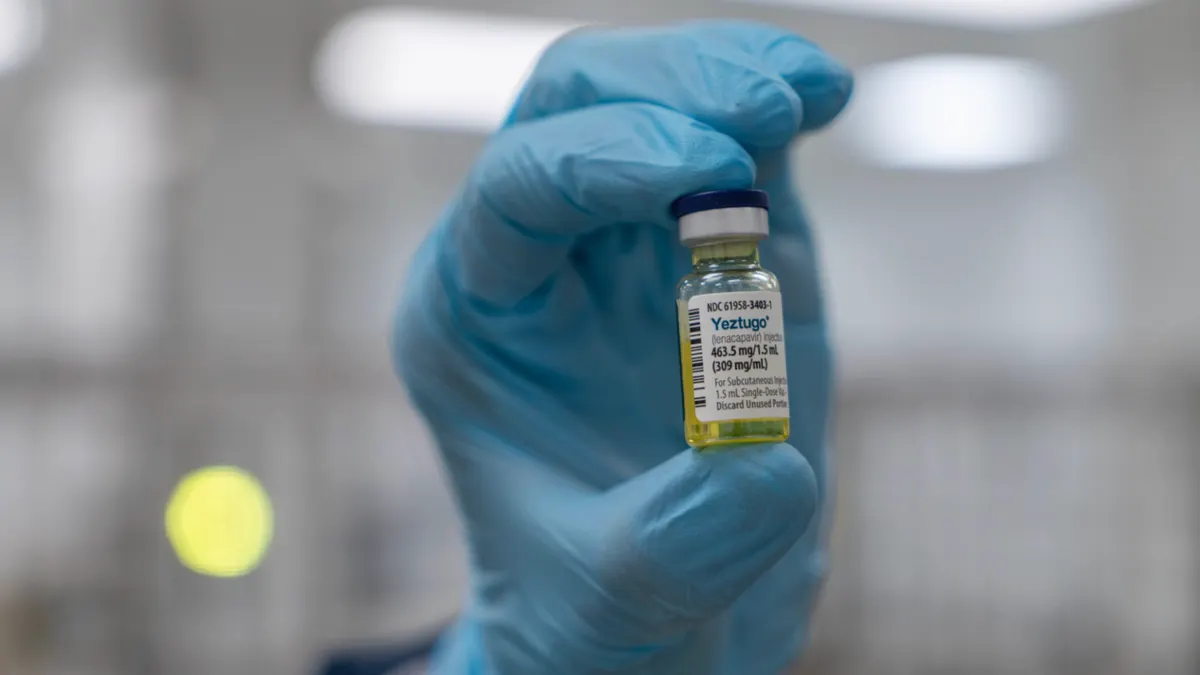
Some of these compounds, which Kennedy said he has personally used, include BPC-157 for performance recovery and MOTS-c, Semax and Selank, which are often combined with weight loss therapies like GLP-1 drugs to maximize results.
If Kennedy succeeds in making the treatments more widely available, the move could have a broader impact on pharma’s already competitive obesity space.
A public health tradeoff
Kennedy argues that moving peptides back to category 1, which would allow them to be compounded by pharmacies again with a valid prescription, puts them back in the hands of "ethical suppliers," as many patients have turned to overseas gray market alternatives in recent years.
The change would make doctors the gatekeepers of peptide prescriptions — but reclassifying the treatments is not without new safety risks.
A peptide reclassification could falsely signal to the public that it’s safe to use untested and unapproved compounded medications, despite limited data and oversight.
"Some of these peptides are better characterized, but there is certainly a justification for all of them to be in category 2," Asebey said. "These compounds are not pharmaceutical grade."
Many of the compounds lack the clinical data required for approval because no drug companies are trying to patent them. With little opportunity to build a patent portfolio around unapproved peptides, there is limited motivation for the private sector to pour money into the research needed to demonstrate their safety and efficacy, Asebey said.
"People are already accessing these peptides online," Asebey added. "There's not much incentive in the [compounding pharmacy] sector to do anything other than profit from them."
And while a reclassification would be aimed at legitimizing the industry for peptide drugs, it could help fuel the rise of its dark side as well.
A growing gray market
Demand for peptides has exploded in recent years, driven in part by the success of GLP-1 drugs from industry leaders Eli Lilly and Novo Nordisk. The global peptide therapeutics market has swelled to more than $50 billion in annual sales and is expected to nearly double over the next 10 years.
But as consumers look for cheaper or more accessible alternatives, a gray market for weight loss drugs has also emerged.
Thousands of companies sell peptides online that aren't intended for human consumption that are often labeled for "research purposes only," allowing them to sidestep federal regulations, Asebey said. Patients can even buy experimental obesity drugs still in clinical development or ones that are not yet approved by the FDA.
Lilly's experimental triple agonist retratrutide, which is still in phase 3 testing, is already available to buy online, Asebey said. Patients are also getting their hands on Novo's clinical combination drug CagriSema, which is currently under FDA review and has yet to be approved.
According to other reports, customers online can order an unlimited amount of these unapproved peptides, which could later be sold and distributed, potentially with a mark up, in the U.S.
This adds to an already competitive environment for Lilly and Novo, which have been locked in legal battles with telehealth companies and compounders over selling copycat versions of their GLP-1 drugs.
While direct-to-consumer platforms have brought the list price of obesity drugs down to around $150 per month, the costs can still be prohibitive, making cheaper alternatives more appealing to consumers in the U.S.
If the FDA reclassifies certain peptides currently on the "do not compound" list, there will be a shift in the market, Asebey predicted.
With different price points available online and overseas, "some will seek the safer compounded versions, but others, who want to save money, will continue to buy 'research-use only' peptides," from an industry that is already out of the FDA's reach, Asebey said.