Some of the biggest news and trends captured in PharmaVoice’s newsletter this week. Sign up here to receive the newsletter daily.
Return of the biotech IPO?
The heyday of biotech IPOs at the beginning of the decade quickly gave way to years of hesitancy. Now, although the funding environment looks different from the pandemic-era biotech bubble, conditions are ripening for the return of the IPO as a viable exit for private drugmakers, according to a panel planned for June’s BIO International Convention in San Diego.
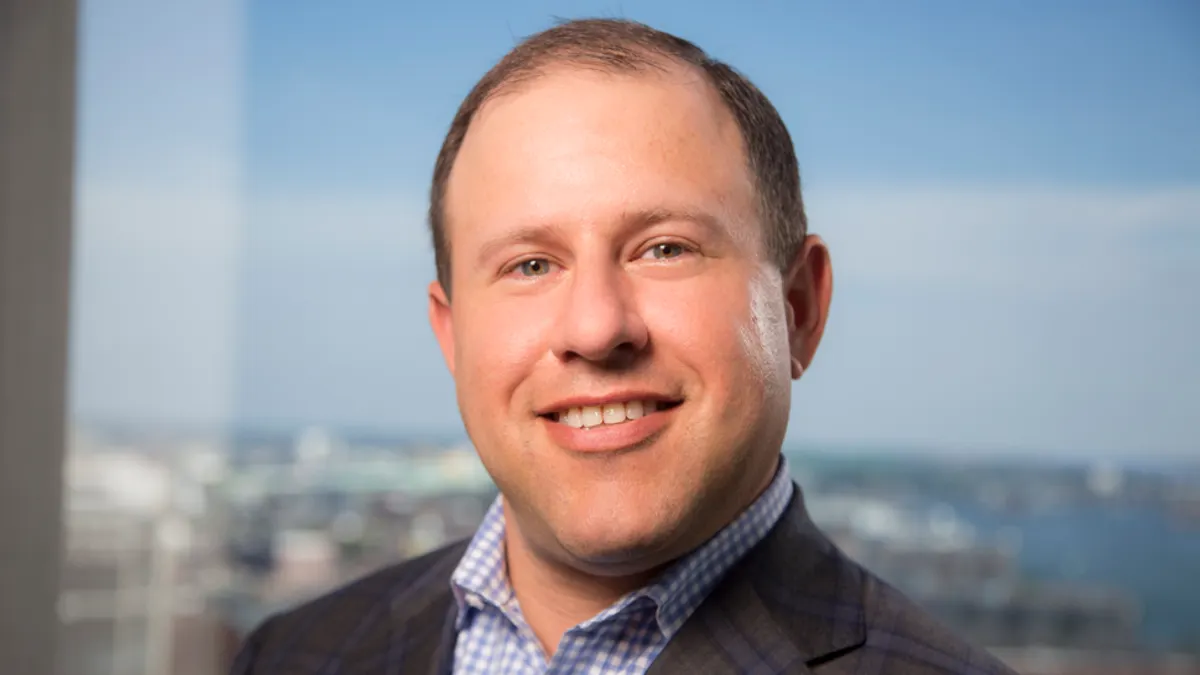
This week, we featured a conversation with the CEO of Evommune, one of few biotechs that took the leap last year, about why the time was right to go public despite a tepid landscape. We also looked at Boehringer Ingelheim — the world’s largest private drugmaker — and its efforts to enter the GLP-1 weight loss space.
AI takes on women’s health
Women’s health is a notoriously difficult area of drug R&D. But Insilico Medicine and Aska Pharmaceutical hope to buck that trend with the help of AI.
The duo recently announced that they’re broadening a research collaboration, and will marry Insilico’s AI capabilities with Aska’s know-how in women’s health to hunt for novel drug targets in challenging gynecological conditions such as uterine fibroids and endometriosis.
Any breakthroughs would be welcome in a field grappling with stubborn unmet need. This week, we looked at where pharma has made progress in women’s health — and where opportunities for innovation remain.
Trump’s tariff loophole
Have you secured your spot in President Donald Trump’s tariff loophole? The 100% taxes on imported pharmaceutical products set to take effect in just a few months have been presented as a tough stance on the industry. But when all is said and done, many of the world’s biggest drugmakers have already nestled into deals that promise to make the sky-high levies much more manageable.
Companies with onshoring agreements with the administration have been able to whittle that tax down to 20%. Tacking on further agreements for “most favored nation” pricing plans could win you no tariff at all.
This week, we explored the potential effect these latest tariffs are expected to have on the pharma industry and how the U.S. political levers are changing the game for drugmakers around the world.