When billionaire entrepreneur and venture capital investor Sean Parker launched the Parker Institute for Cancer Immunotherapy in 2016, a new wave of oncology medicines was breaking on the shores of the pharma industry.
Checkpoint inhibitors like Merck & Co.’s Keytruda and Bristol Myers Squibb’s Opdivo were only recently becoming cornerstones of cancer treatment, and PICI was intent on keeping the ball rolling by funding cutting-edge, risky science, while collaborating with researchers via a hybrid philanthropy and VC model.
Almost a decade later, Parker (who rose to business fame after co-founding Napster and serving as Facebook’s first president) and his nonprofit are at another crossroads of science and financial impact. With public funding in limbo and the biotech sector still struggling to overcome years of damp returns, is PICI a model for how to reward risk and drive pharma innovation?
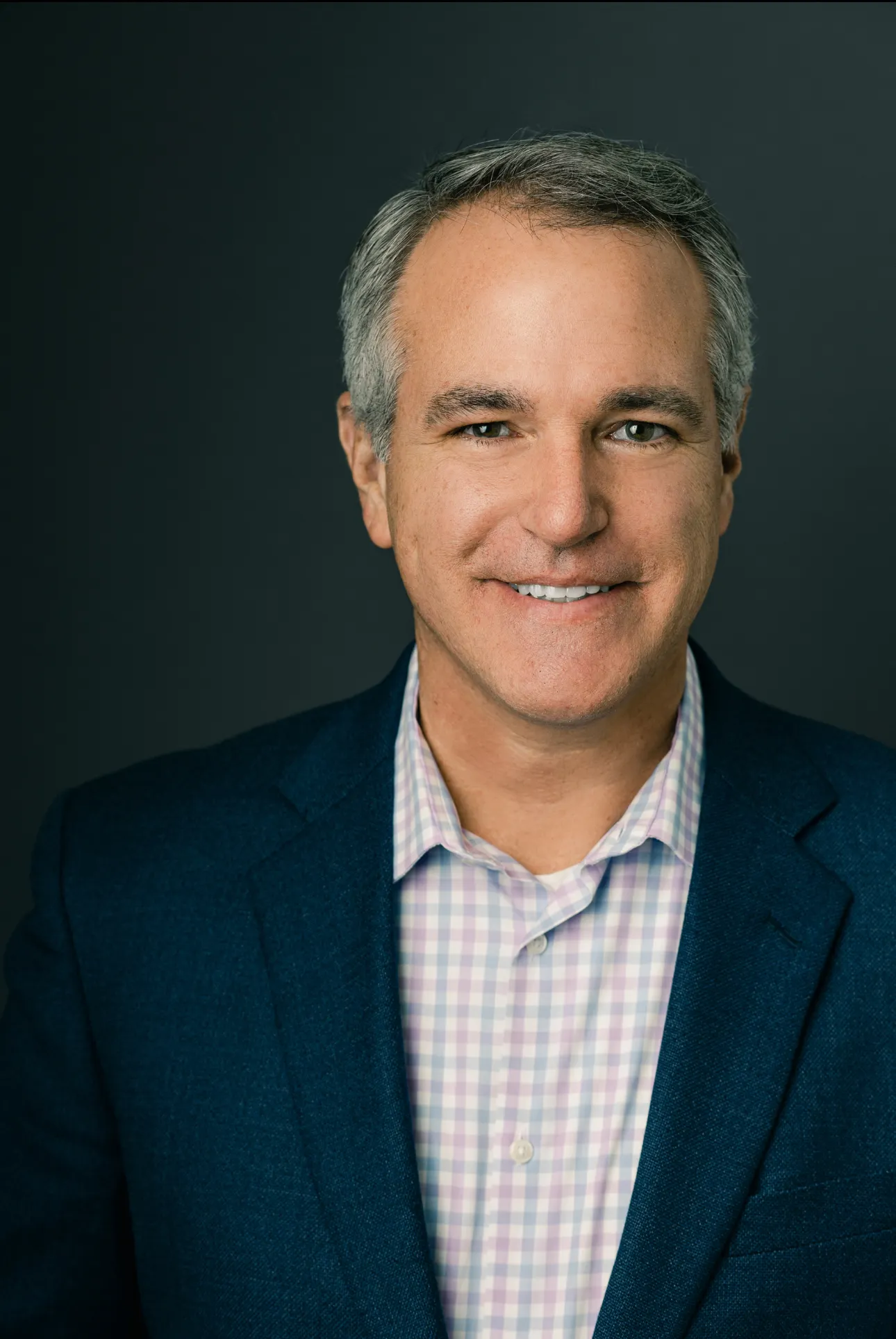
Mark Veich, who joined PICI in December as its chief organizational advancement officer, thinks so. Nonprofits supporting medical research often distribute grants, which is in PICI’s wheelhouse — but the organization does more than that, he said.
“The role we’ve been playing is a little different,” Veich said. “It’s a role where nonprofit and for-profit worlds can and must work together.”
PICI has a hand in incubating startups, monitoring clinical trials, investing in biotech and more. Above all, Veich said the mission is to address unmet medical need in cancer immunotherapy by transcending the limitations of traditional for-profit models and their nonprofit counterparts, bridging the gap between the two.
Since its founding, PICI has invested in 17 biotech ventures that together have raised more than $4 billion in capital. It counts among its PICI center directors Nobel Prize winner Jim Allison and CAR-T visionary Dr. Carl June.
“We’re in a world where the government is not adhering to its responsibility, and the venture market, frankly, has been in a kind of retreat — so private donors are stepping up to do more.”

Mark Veich
Chief organizational officer, PICI
As a nonprofit, PICI isn’t beholden to the ups and downs of the market in the way that other investors and stakeholders are, and doesn’t need to curtail its efforts when profit is on the line.
“If you’re an investment firm, you’re going to put your venture and private equity money where you feel there’s going to be the greatest chance for some big pharma company to acquire it, commercialize it and bring it to patients,” Veich said. “But if there’s not a lot of money to be made, that space is often avoided.”
Where financial risk is a drawback for conventional VCs, a nonprofit has more leverage to invest in unmet needs and rare conditions that pose a greater threat to the bottom line.
“If you can use nonprofit dollars to mitigate that risk to bet on really good science, all of a sudden pharma will be interested because they also don’t want to take that risk with their cherished finance dollars,” Veich said.
Funding the gap
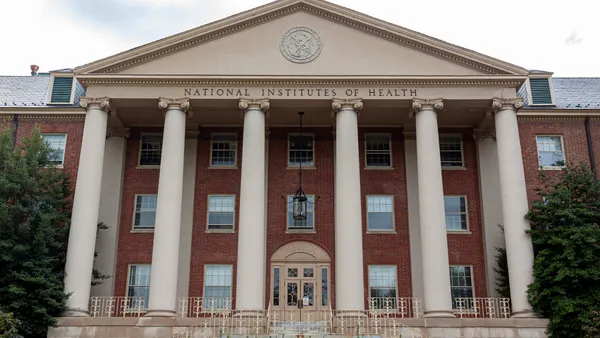
With government funding for early medical research drying up under President Donald Trump’s administration and more questions than answers lingering in the regulatory arena, PICI aims to be the glue holding the research community together.
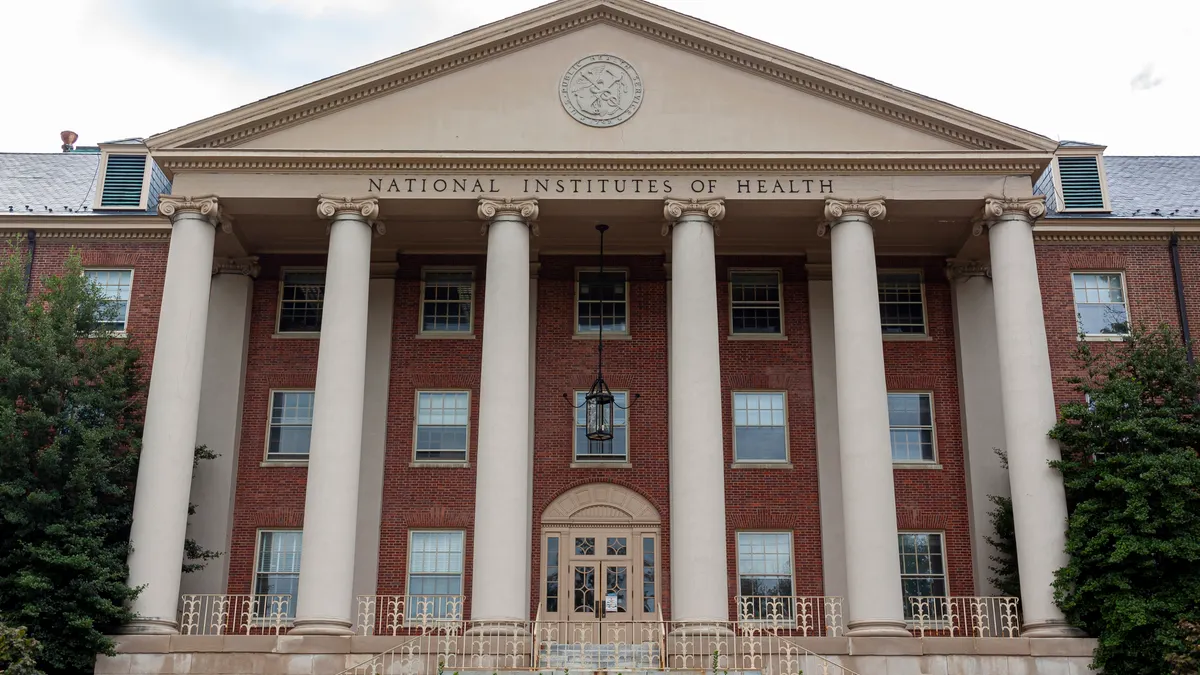
“If you think about all the uncertainty around the NIH and regulatory bodies, it actually improves the narrative of raising philanthropic capital because otherwise none of these great ideas are going to make it to the patient,” Veich said. “We’re in a world where the government is not adhering to its responsibility, and the venture market, frankly, has been in a kind of retreat — so private donors are stepping up to do more.”
Aside from the COVID-19 boom, the biotech landscape has been difficult for most of this decade, battling low investment, high interest rates and regulatory uncertainty. Overcoming those challenges requires creative thinking by hybrid nonprofits like PICI, Veich said.
“The scientific community faces strong headwinds, from the unpredictable changes in federal funding and a dysfunctional biotech sector, and so the need for private research funding and long-term support is even more important,” Veich said. “We need robust collaborations to cut out the headwinds and turn what’s possible into reality.”
Parker has been personally funding PICI for over nine years, Veich said, and the next step on the road to “curing cancer” is finding more investors in a position to make similar commitments over the next decade.
Beyond grants
While funding is a critical aspect of what nonprofits accomplish, scientists also need the freedom to work without worrying about the next transaction, Veich said.
“[Parker] has realized what the bottleneck is in academia, which is writing grants,” Veich said. “Many brilliant scientists say they spend 40% to 60% of their time writing grants, and that’s less time in the lab doing innovative science.”
PICI has invested in more than 1,000 scientists, clinicians and industry leaders, establishing a network of stakeholders that can “break down the barriers and fast-track breakthroughs into real-world results” by taking a more comprehensive approach to funding, Veich said.
“If you deploy capital in an innovative way that allows them the freedom to focus on the science, [that] allows them to be creative and accelerate the discovery portion of what they do,” Veich said.
While PICI still relies on Parker’s personal contributions, the model is built to be sustainable by leveraging intellectual property in the long run — from a product or an established company, for example — and funneling the profits back into the organization’s work, Veich said.
“How do you bridge the gaps between incredible early science funded by universities to the incredible R&D funding at biopharma? That’s the valley of death where great ideas die because of a lack of funding,” Veich said. “So having a nonprofit entity that’s funding basic science but also bridging to commercialization is so important.”
Nonprofits like PICI are taking a more cohesive approach when it comes to the end-to-end journey of a drug. And the organization is now on a mission to go beyond cancer treatments and develop potential cures.
“When you fund bits and pieces, you’re not really pulling the thread all the way and making a concerted effort to address a very specific disease,” Veich said. “What [Parker] has been doing is creating something from soup to nuts.”