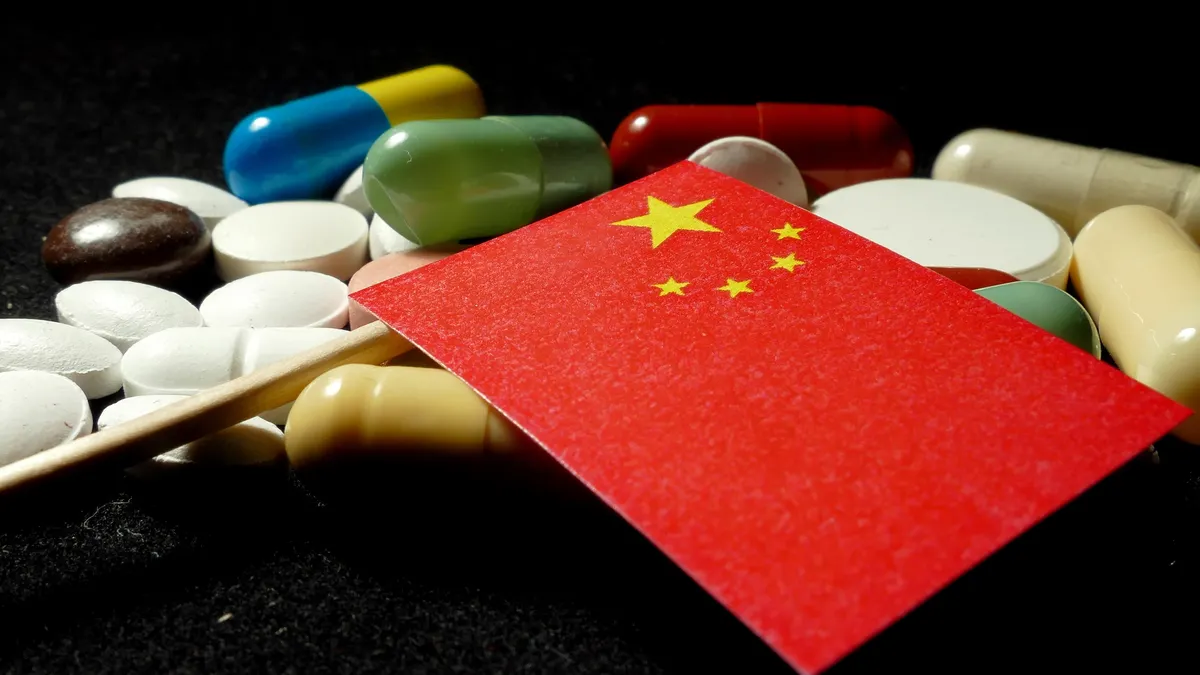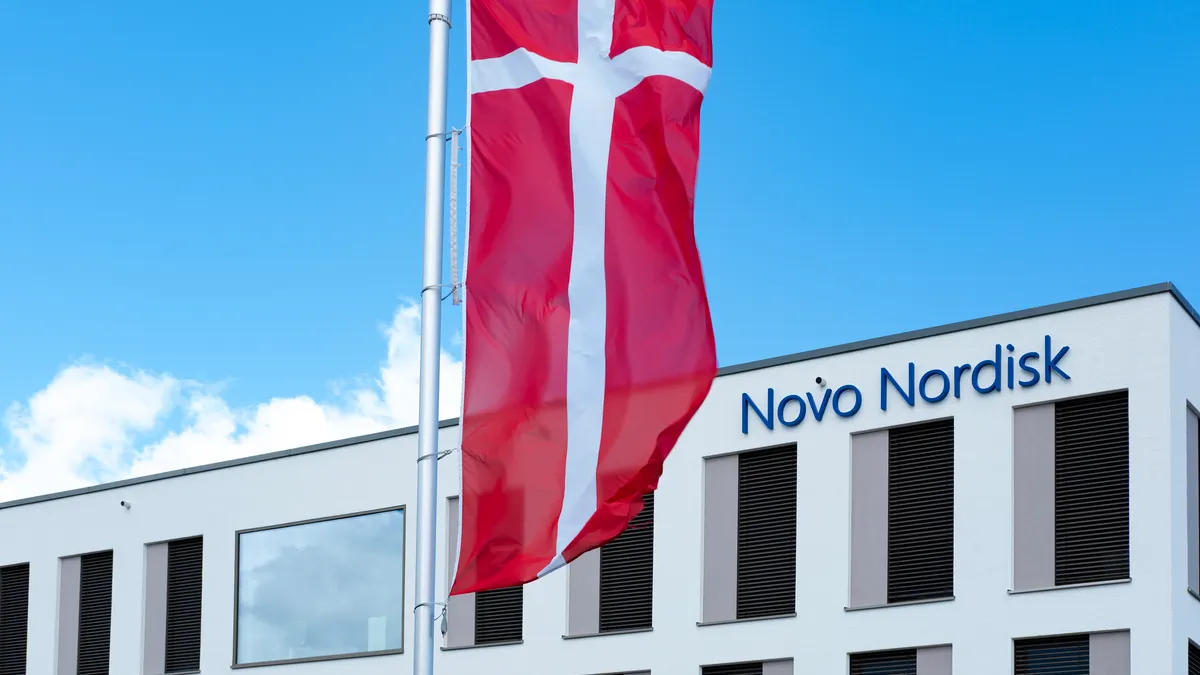
The search for the next wave of GLP-1s is pushing Big Pharma east, and China is quickly becoming the top destination to shop for promising pipeline assets.
China's biotech sector has become a major hub of drug innovation, driven in large part by government initiatives to rapidly advance the nation's pharma R&D infrastructure. Now, the country is a popular hunting ground for new drug candidates, especially as demand for more effective GLP-1 therapies grows.
Over the past decade, Chinese biotechs have increasingly turned their attention from importing foreign innovations to exporting domestically developed assets. This shift has attracted the attention of multinational pharma giants looking to beef up and diversify their pipelines with licensing agreements.
Licensing deals between U.S. and Chinese biopharma companies surged last year to record levels, rising 280% from 2020. The steep uptick in licensing deals underscores the growing global confidence in China's homegrown therapies and its rising influence in biopharma.
The country's biotech sector is particularly appealing to international investors because it offers faster and cheaper clinical trials with a growing roster of mid- and late-stage GLP-1 candidates.
Pharma titans Novo Nordisk, Regeneron and Pfizer each struck sizable GLP-1 deals with Chinese partners last year. Here's a look at what brought them to the M&A table.
Novo Nordisk and United Laboratories
Value: $2 billion
The story: Novo Nordisk was the first of the three to ink a deal for a China-developed GLP-1 drug last year. The pharma titan paid $200 million upfront in March to Hong Kong-based United Laboratories International Holdings for its experimental triple 'G' agonist, UBT251.
Novo also agreed to pay up to $1.8 billion if certain milestones are met for the rights to the asset outside of mainland China and Taiwan.
The deal marked another attempt by the pharma giant to strengthen its foothold in the booming obesity market — this time by betting big on next-generation, multi-receptor therapies that can compete in the high-efficacy weight loss space.
United Lab's UBT251 is an injectable GIP, GLP-1 and glucagon agonist candidate currently in phase 2 development that could potentially rival Eli Lilly's late-stage, triple 'G' agonist retatrutide.
The deal with United Lab helps Novo rebuild its tri-agonist pipeline after dropping its own early-stage triple 'G' candidate in 2019.
Regeneron and Hansoh Pharma
Value: $2.01 billion
The story: Regeneron tapped a Chinese biopharma company in June to expand its clinical portfolio and dive into the GLP-1 space. The company agreed to pay more than $2 billion for Hansoh Pharma's late-stage dual GLP-1/GIP receptor agonist, which could eventually rival Eli Lilly's best-selling drug tirzepatide.
The licensing agreement covers rights outside of China and includes an $80 million upfront payment along with milestone payments that could reach more than $2 billion.
Hansoh is currently testing HS-20094 in a phase 2 diabetes trial and a phase 3 obesity study, both in China.
The pact with Hansoh bolsters Regeneron's obesity strategy, which includes an internal GDF8 antibody trevogrumab that’s intended to help GLP-1 users maintain lean muscle mass.
Regeneron isn't the only pharma heavyweight drawn to the promise of Hansoh's obesity pipeline. Merck & Co. moved into the obesity market a year earlier, when it paid $112 million upfront for Hansoh's preclinical oral GLP-1 candidate that’s similar to Wegovy.
Pfizer and YaoPharma
Value: $2.19 billion
The story: Pfizer also turned to dealmaking to help rebuild its GLP-1 pipeline after shelving two late-phase pills over safety concerns.
The company beat Novo Nordisk in a heated bidding war last fall to acquire U.S. biotech Metsera, winning its next-generation obesity pipeline for nearly $10 billion. The pharma giant then quickly moved overseas to close a deal worth up to $2.1 billion with Chinese drugmaker YaoPharma for its early-stage GLP-1 pill.
Pfizer agreed to pay YaoPharma $150 million upfront for the global rights to its experimental obesity pill dubbed YP05002, giving the pharma giant another shot in the oral obesity space.
Under the deal, Pfizer could pay up to $1.9 billion in milestones and tiered royalties if certain targets are met.
The phase 1 candidate could eventually compete with other oral medications including Eli Lilly's orforglipron, which is expected to win approval this year.
Pfizer will conduct combination studies of YP05002 with other small molecules in its pipeline, including PF-07976016, a glucose-dependent insulinotropic polypeptide receptor antagonist currently in phase 2.